
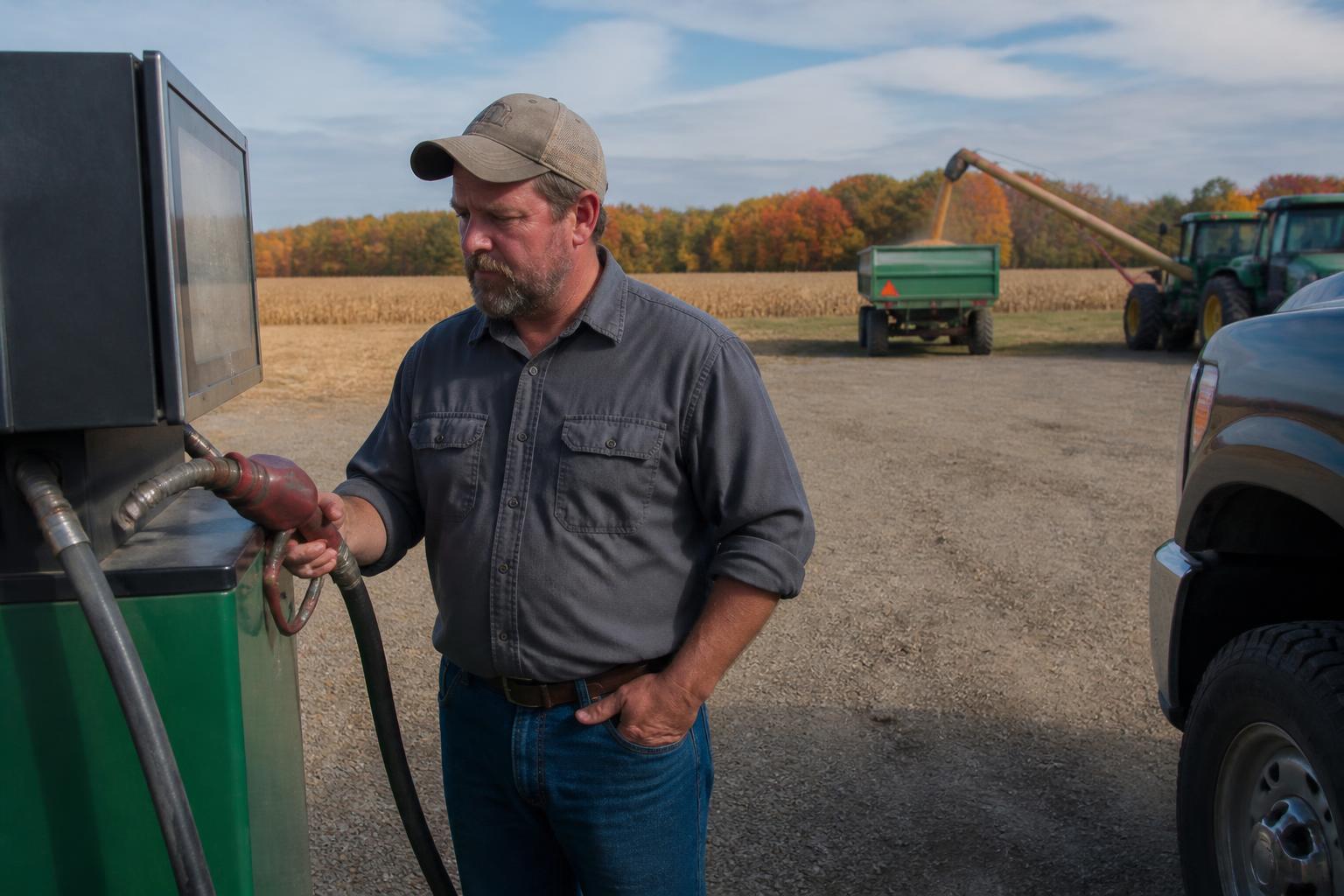
Harvest Pressure Meets Operational Costs
As South Carolina producers move deeper into the fall harvest season, regional operations are feeling the strain of elevated diesel fuel prices. For many farming businesses, fuel expenditures represent a primary variable cost that directly impacts the bottom line during peak activity months. With machinery moving constantly between fields and elevators, local operators are prioritizing efficiency to offset these ongoing logistics hurdles.
Successful harvest logistics depend heavily on minimizing unnecessary equipment travel and timing grain movement to avoid peak traffic windows. Many producers are now reviewing their supply chain strategies to ensure they remain competitive as the season advances toward year-end.
Support for Local Agricultural Growth
While fuel costs present a challenge, new developments in state-level investment are providing a potential cushion for some agribusinesses. Recent federal grants awarded to South Carolina producers highlight a shift toward supporting farm infrastructure and regional market access. These funds can often be directed toward improving logistics infrastructure or enhancing storage capabilities, allowing farmers to hold grain until local transport markets stabilize.
By leveraging these resources, agricultural operations in regions like the Midlands and the Coastal Plain may find new ways to improve their operational resilience despite the broader national pressures on the transportation sector. Understanding how to integrate these grants with existing business models remains a priority for long-term planning.
What it means for the market
The current environment requires a disciplined approach to variable spending. As the harvest matures, producers who closely manage their fuel consumption and utilize available infrastructure grants will be better positioned to navigate the market. Remaining agile in managing transport pressures will be the difference between maintaining thin margins and seeing sustained profitability through the end of the year.
Comments
No comments yet - be the first to share your take.