
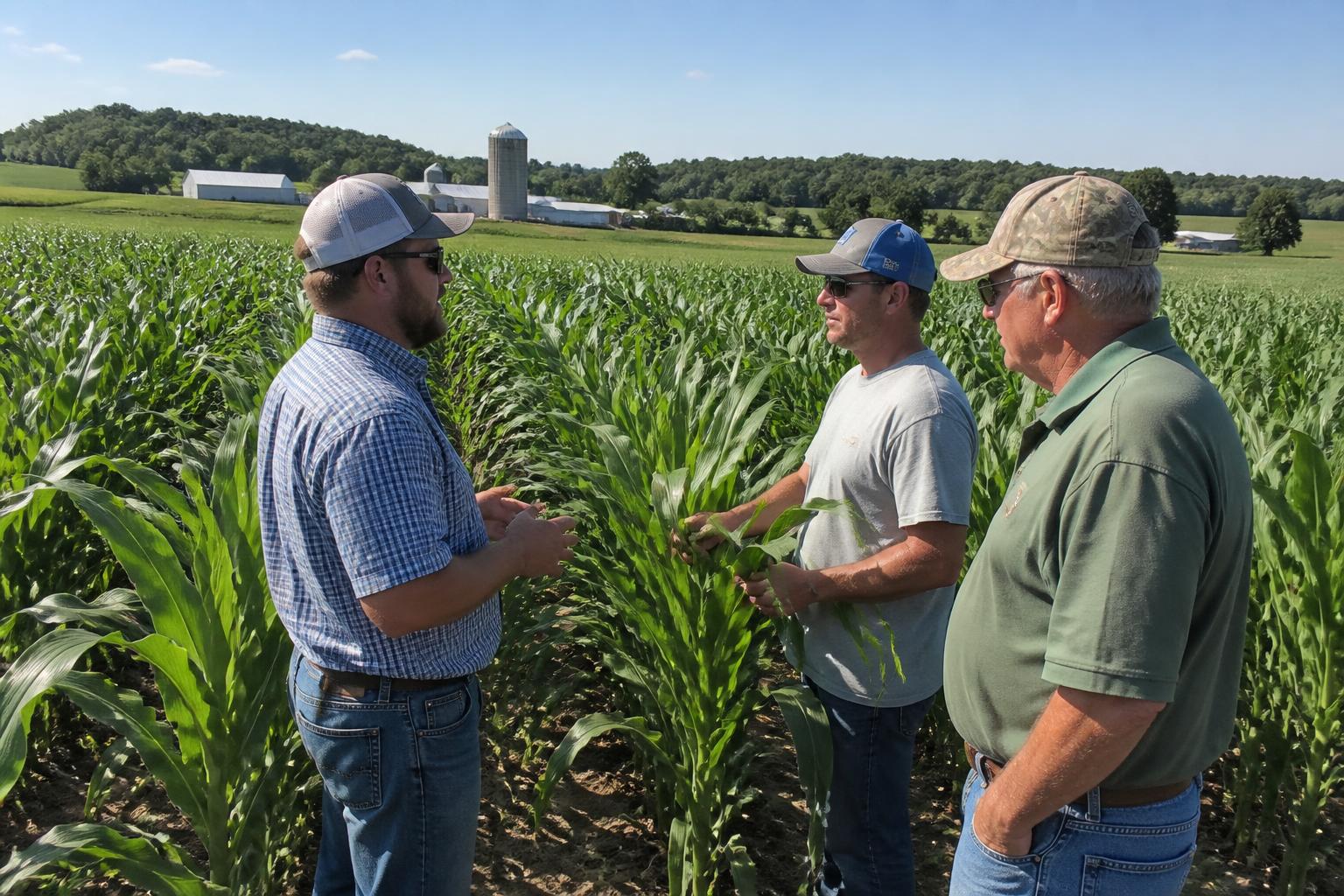
As we move deeper into August, Wisconsin growers are assessing crop development and navigating the complexities of the current agricultural season. While traditional benchmarks like the height of corn by early summer offer a historical reference point, local field conditions across our state's diverse counties continue to dictate the actual health and yield potential of this year's harvest.
The integration of robust data analytics remains a priority for many in the region, particularly as producers refine their integrated crop protection strategies. Efficient management during these warm summer months is essential to maintaining the quality and volume of grain that makes Wisconsin a vital part of the national supply chain.
Global Trade and Local Impact
Recent gatherings of the U.S. Grains Council within our state have highlighted the importance of market development and international trade relations. For Wisconsin agribusinesses and elevator operators, staying aligned with global demand is critical for positioning grain effectively as we head toward the fall marketing window.
Financial Resilience and Risk Management
Beyond field management, the conversation around federal crop insurance premium subsidies continues to be a focal point for many farm managers. Understanding the mechanics of these programs is key to protecting operations against the volatility that often characterizes commodity markets. By utilizing available risk management tools, producers can better insulate their bottom lines against unpredictable weather patterns and market fluctuations.
What it means for the market
The convergence of advanced mathematical modeling in our organic and conventional systems, coupled with ongoing trade efforts, suggests a shift toward more precise, data-driven farming. For Wisconsin producers, the takeaway is clear: efficiency is the best hedge against uncertainty. Maintaining focus on cost-effective inputs and staying informed on trade policy will be the primary drivers of profitability as the late summer season progresses toward the harvest.
Comments
No comments yet - be the first to share your take.