
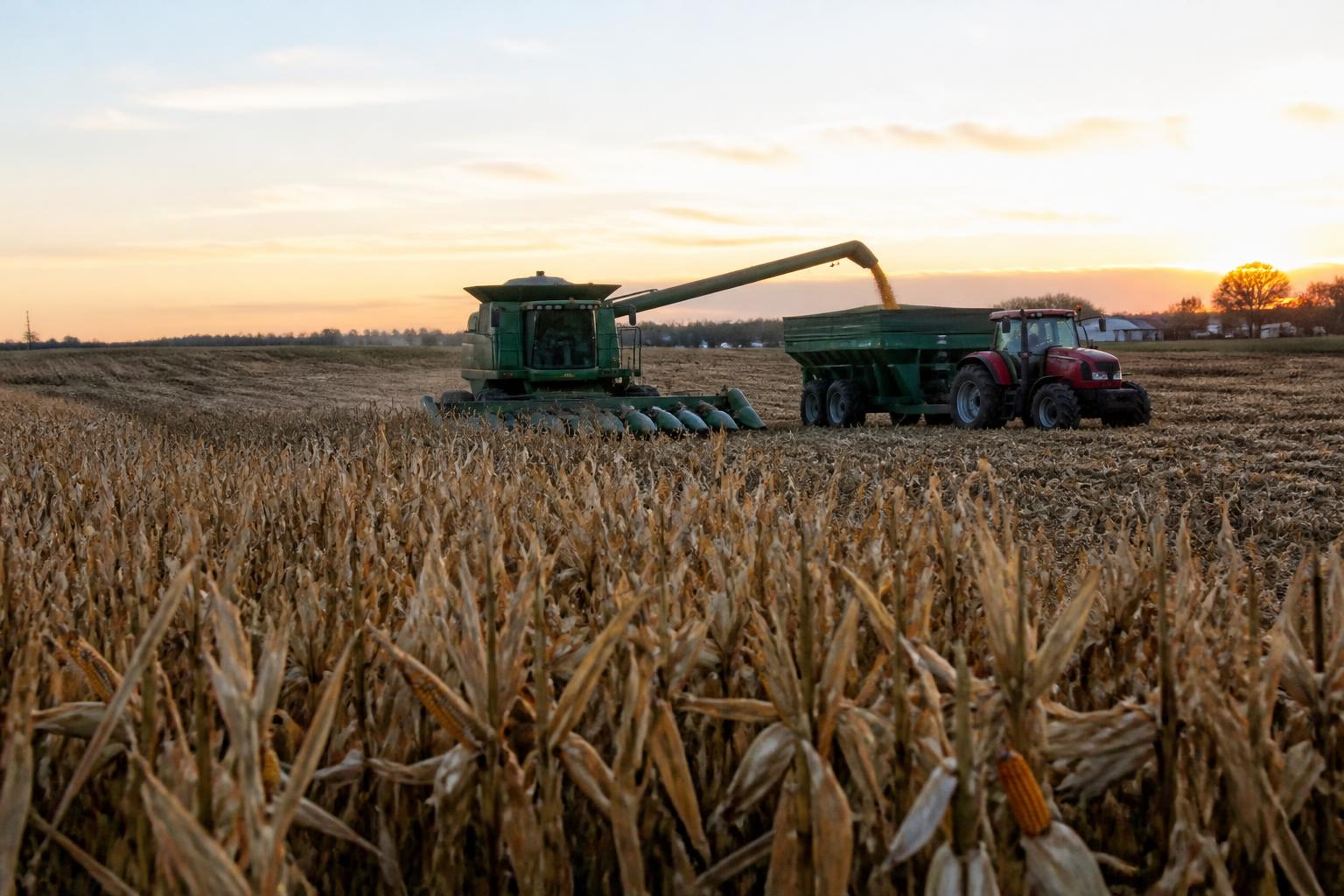
The Ohio harvest season is in full swing, bringing the perennial challenge of moving grain efficiently from the field to local elevators. With trucks moving across state routes and county roads, many operators are increasingly turning to digital tools and mobile applications to streamline transport schedules and minimize idle time at receiving facilities. Optimizing these logistics and infrastructure workflows can be a primary defense against the tightening margins often seen during high-activity periods.
Managing Market Pressures
For Ohio producers, the current market environment is characterized by significant volatility. Recent reports highlight the compounded stress of shifting global trade dynamics and competitive pressures, which continue to influence grain pricing. Farmers are observing how these broad economic factors impact local basis levels, making precise marketing decisions more important than ever. Staying informed through regional marketing updates can help producers identify opportunities in a fluctuating landscape.
Input Costs and Operational Efficiency
While grain prices command attention, the cost of production remains a persistent hurdle. Producers have noted the burden of elevated fuel prices and fluctuating fertilizer costs, which can complicate long-term planning. Many are seeking to offset these overheads by adopting precision agriculture and automation technologies where possible. These tools often aid in maximizing yield potential while simultaneously tightening the management of input applications, contributing to a more resilient bottom line.
What it means for the market
For the remainder of the fall, success will likely depend on balancing the speed of harvest with prudent financial risk management. As grain begins to fill local storage facilities, the focus shifts toward managing moisture levels and monitoring regional basis to determine the best windows for sales. Maintaining high operational standards in the field, coupled with proactive engagement with local handlers, will be essential for navigating the current market cycle.
Comments
No comments yet - be the first to share your take.