
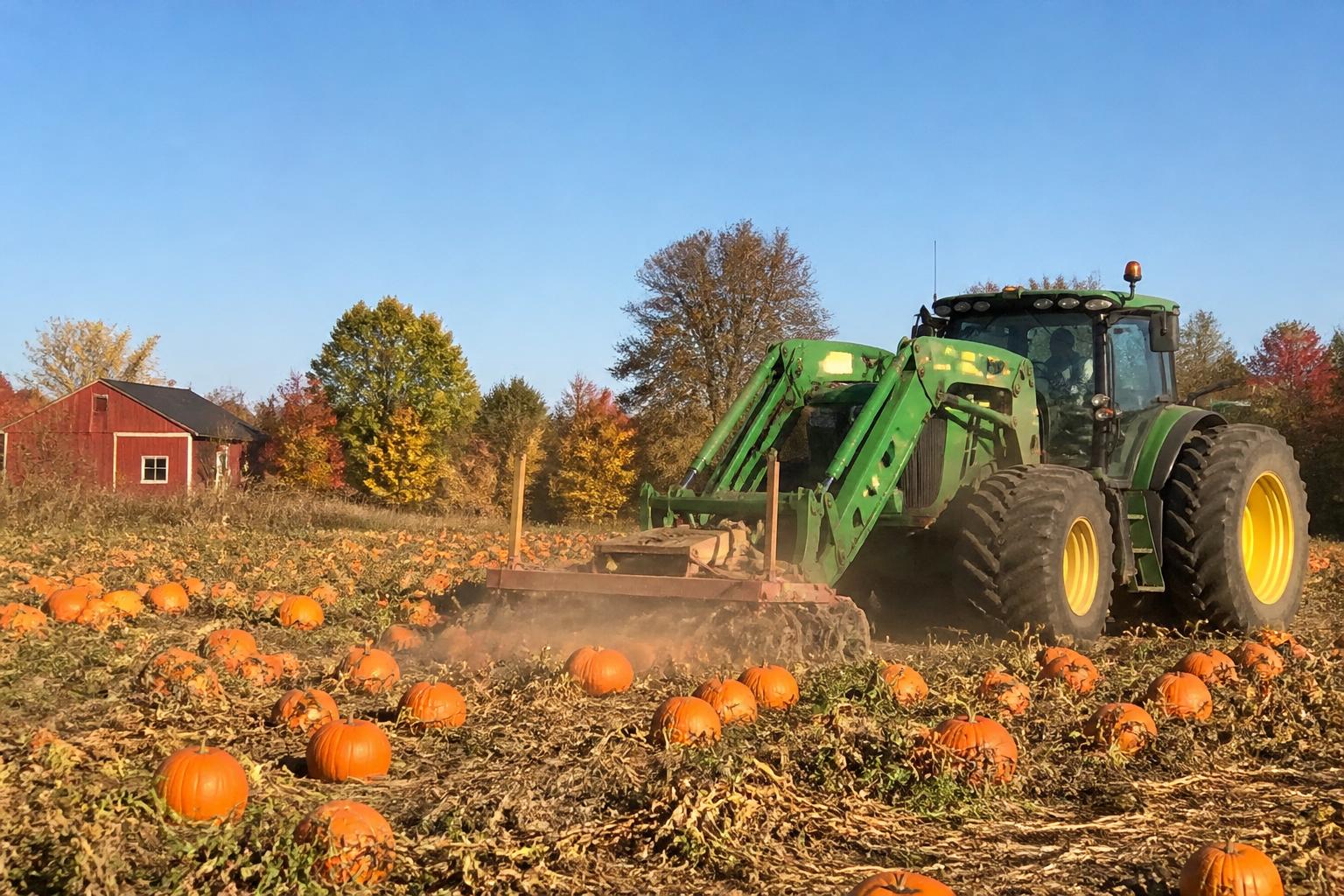
The mid-October agricultural landscape in Rhode Island is characterized by the distinct pace of late-season harvests and the essential preparation for winter dormancy. For local grain handlers and producers, this period demands a heightened focus on logistical efficiency, as moving equipment across the state’s varying terrain requires careful coordination during peak activity weeks.
Regional initiatives, such as the ongoing efforts surrounding the preservation of farmlands near Tiverton, underscore the importance of land stability for long-term production. As producers evaluate their soil health and regulatory planning in the coming weeks, securing reliable storage and transport channels remains a priority for those looking to maintain consistent market access.
Logistical Considerations for the Harvest Season
As field operations reach their stride, the movement of grain and agricultural supplies often hinges on the condition of local infrastructure. Farmers in southern and eastern Rhode Island are frequently advised to monitor seasonal transit patterns, especially as high-traffic periods can coincide with fluctuating market demand for local inputs. Maintaining clear communication with local storage facilities and independent carriers is an effective way to mitigate potential bottlenecks as the volume of harvested product moves toward regional distribution points.
Market Outlook and Land Management
The intersection of conservation easements and active production acreage remains a key theme for the state's agricultural resilience. With land-access programs providing opportunities for keeping operations local, many growers are balancing immediate harvest goals with structural planning for the next planting cycle. Understanding the nuances of state-level land initiatives can offer a competitive advantage for those aiming to optimize their footprint throughout the coming fiscal year.
What it means for the market
For Rhode Island farmers and agribusinesses, the current market climate necessitates a proactive approach to operations. Whether through securing storage capacity, optimizing local transport routes, or engaging with regional land preservation efforts, the focus remains on operational autonomy. Successfully navigating these variables allows producers to preserve margins even when broader commodity markets experience external pressure.
Comments
No comments yet - be the first to share your take.