
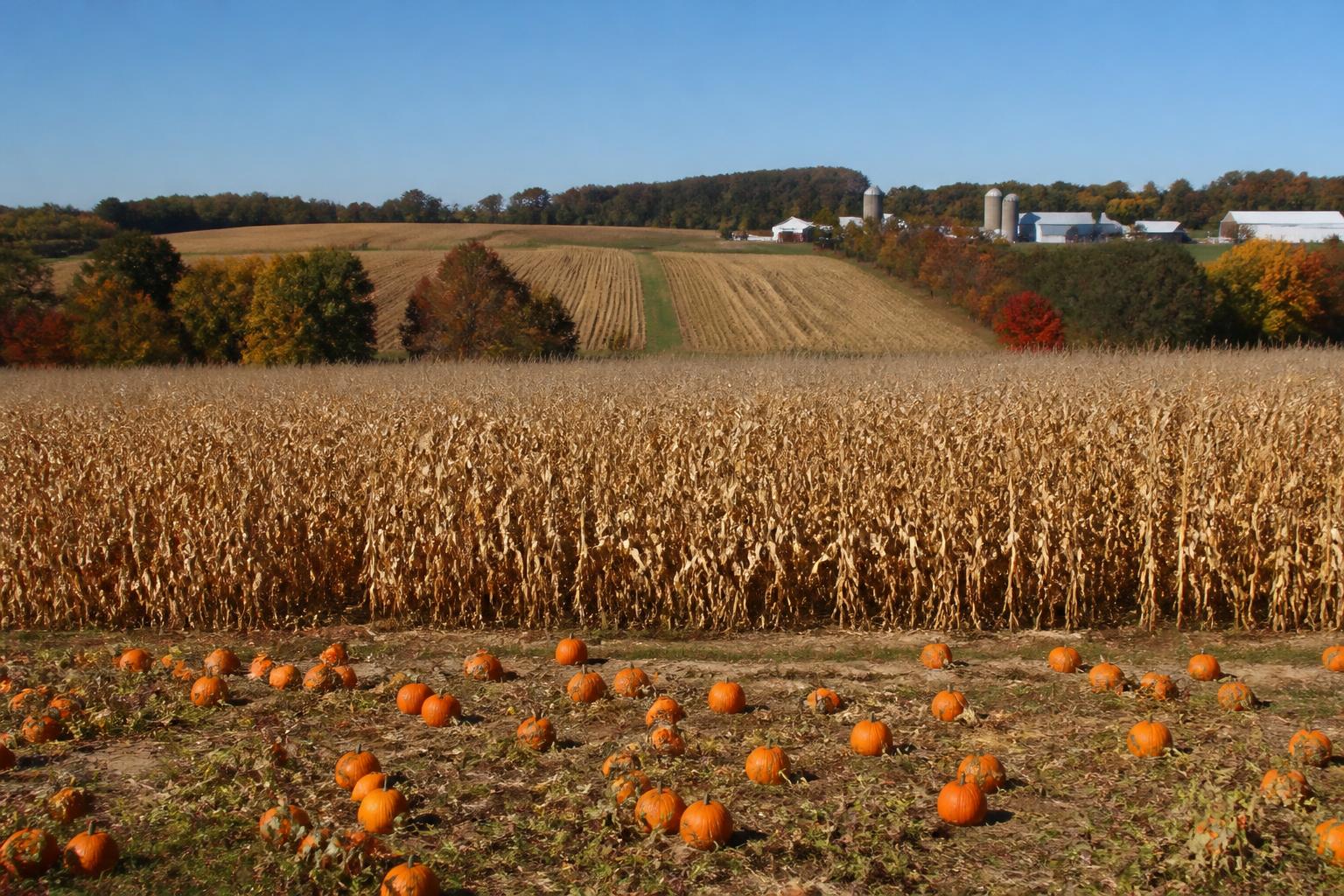
October marks a critical window for Maryland's agricultural sector, as producers across the state hustle to move grain from field to storage or terminal. With harvest activities in full swing in regions like Frederick, Cecil, and Queen Anne's counties, the competition for transport capacity is intensifying. Farmers are increasingly looking toward strategic logistics to mitigate the bottleneck risks that often arise when field demand outpaces available freight options.
Optimizing Fleet and Load Management
Efficient movement during this busy season relies heavily on a producer's ability to navigate state road networks. With ongoing discussions regarding potential adjustments to farm vehicle weight limits in Maryland, operators are remaining cautious, prioritizing safety while trying to maximize each trip. The ability to shift supply routes rapidly in response to road conditions or facility queues is currently a vital operational skill. Those looking to move volume effectively often find that coordinating closely with local elevators and transport partners can significantly reduce downtime during these peak windows.
Market Considerations and Regional Efficiency
Beyond the local logistics, Maryland farmers are keeping an eye on broader market trends. Whether managing input costs or navigating the complexities of regional grain pricing, the ability to manage field-to-market traffic remains a key determinant of the final bottom line. As regional activity intensifies, understanding the interplay between local transport costs and external market pressures helps growers make more informed decisions about when to hold or sell their commodities.
What it means for the market
For the average Maryland producer, the priority for the coming weeks is maintaining flow. By streamlining the transfer of grain and staying adaptable in logistics planning, operators can reduce the impact of middle-market delays and ensure that their harvest reaches buyers at optimal intervals. Keeping a close watch on regional transport bottlenecks and maintaining open lines with grain handlers will remain the best defense against seasonal volatility.
Comments
No comments yet - be the first to share your take.