
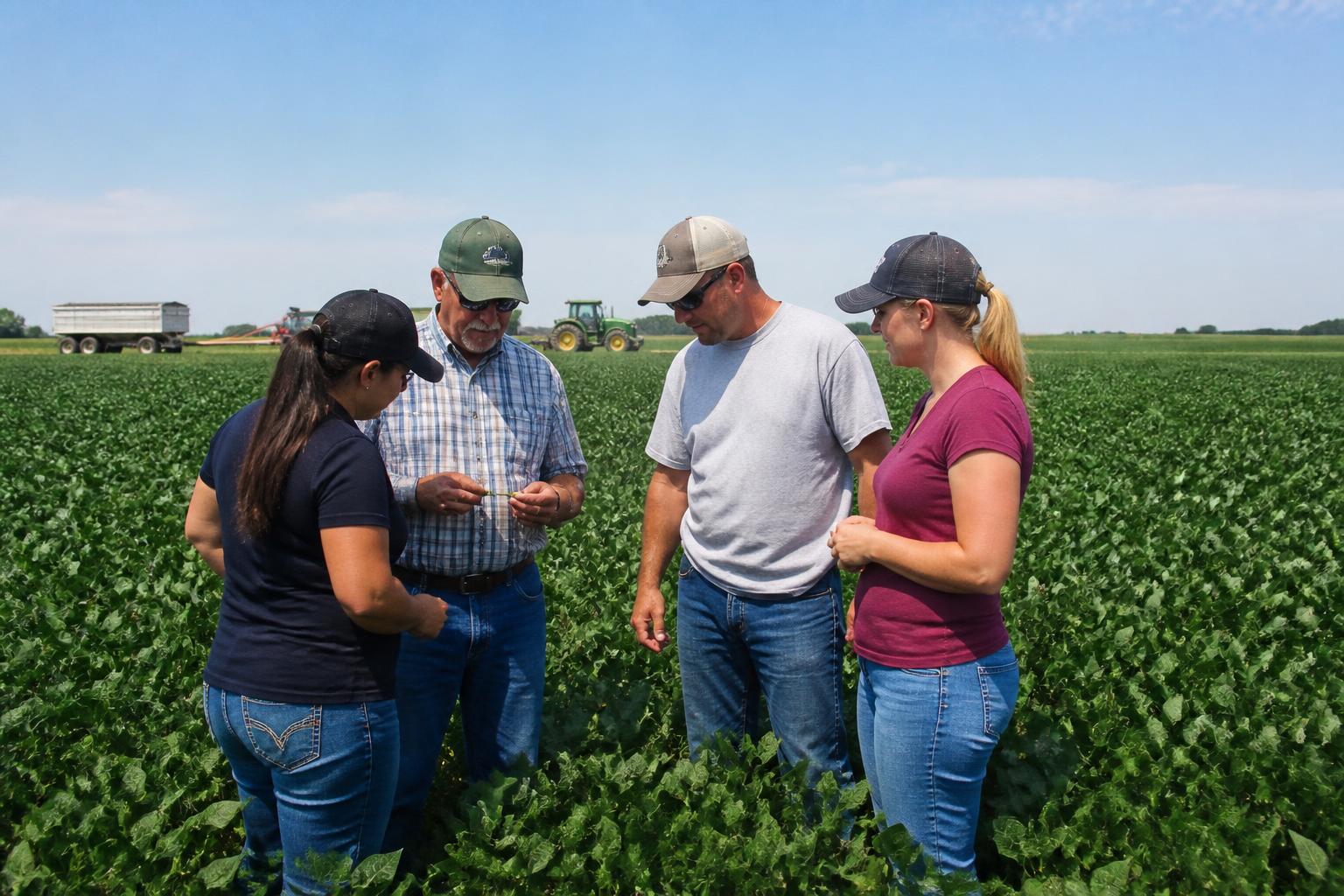
Moisture Levels and Summer Crop Status
As we move through August, Wyoming grain producers are navigating a summer season defined by persistent moisture concerns. While the region has seen varied conditions, the focus remains on ensuring crop development remains steady through the heat of the season. Producers across the state are carefully monitoring field conditions, as the balance between soil moisture and evaporation rates is critical for yield potential during these final weeks of growth.
Legislative Landscape and Market Impacts
Beyond the field, the national policy environment is shifting as the Senate prepares for the markup of a long-overdue farm bill. For Wyoming agribusinesses and grain handlers, this legislative movement is a key indicator of potential shifts in support programs and sector-wide initiatives. Staying informed on navigating agricultural policy and market pressures remains essential for producers who need to adapt their strategies to changing federal oversight and funding structures.
Logistical Considerations for the Season
As harvest preparations begin in some parts of the state, managing local logistical constraints is becoming a priority. Producers and elevator operators are encouraged to review existing capacity and distribution routes early to mitigate potential bottlenecks. Efficient movement of grain from the field to storage or local delivery points requires coordination, especially when factoring in current regional infrastructure demands.
What it means for the market
The intersection of regional weather challenges and federal legislative uncertainty creates a complex landscape for Wyoming grain stakeholders. With the upcoming harvest, the emphasis must remain on both crop management and proactive planning. By monitoring policy updates and maintaining a clear view of local storage capabilities, agribusinesses can better position themselves to handle fluctuations in market demand and supply chain efficiency.
Comments
No comments yet - be the first to share your take.