
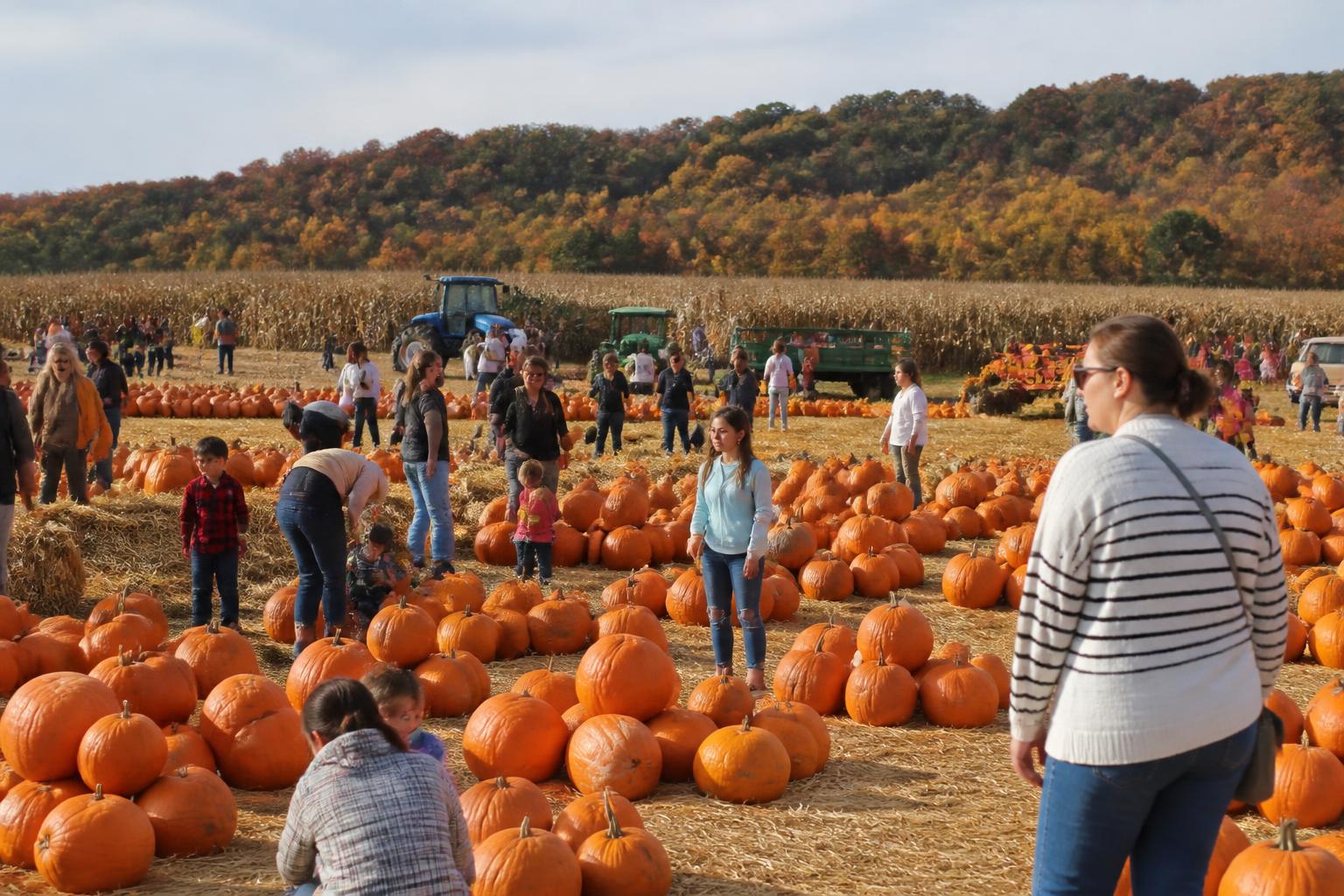
With fall fieldwork currently in full swing across Maryland, the pace of the agricultural season has accelerated. From the rolling fields of the Piedmont to the coastal plains of the Eastern Shore, equipment movement is hitting a seasonal peak. As farmers focus on clearing grain and managing seasonal storage, transportation corridors are seeing a significant uptick in heavy machinery, requiring extra vigilance from both rural operators and motorists.
Maintaining logistical efficiency is a top priority as storage facilities manage the influx of harvest-ready crops. For those coordinating logistics during peak fall harvest, the challenge remains in balancing tight transport schedules with the reality of slower-moving equipment on local roadways. The Maryland Department of Transportation continues to emphasize the need for motorists to exercise patience, noting that sharing the road safely is a shared responsibility that keeps our rural economy running smoothly.
Managing Field and Roadway Dynamics
As the season progresses, farmers are often navigating complex scheduling for managing input costs and seasonal field traffic. Efficient transport relies on clear communication between field crews, local grain elevators, and trucking partners to minimize bottlenecks during this critical window. Proactive planning for equipment mobilization can help mitigate the risks associated with moving large machinery along state routes and rural arteries during high-traffic daylight hours.
For growers evaluating their end-of-season logistics, the focus should remain on identifying efficient routes that minimize transit times while maximizing safety. As the demand for storage and transport persists, maintaining well-oiled communication channels with your downstream partners is essential for avoiding unnecessary delays.
What it means for the market
For Maryland agribusinesses, the current harvest window represents a vital period for regional supply chains. As we move further into the season, stakeholders involved in grain handling and logistics should prepare for continued density in transport demand. Ensuring that equipment is road-ready and that transit routes are planned with both efficiency and safety in mind will be critical in successfully navigating the remainder of the autumn harvest period. By staying synchronized with fall logistics and harvest traffic patterns, producers can better position themselves to meet their seasonal goals.
Comments
No comments yet - be the first to share your take.