
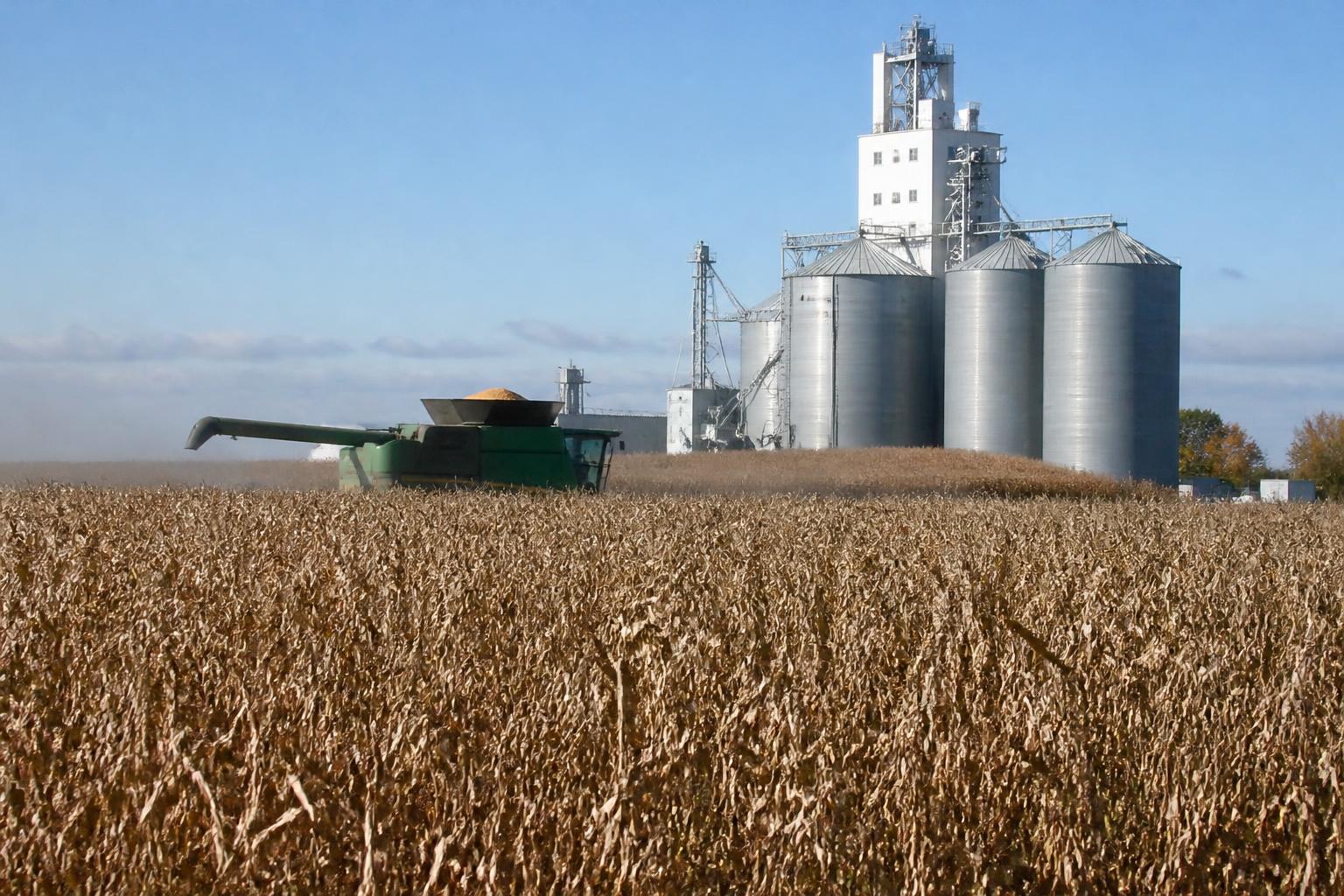
As the mid-October harvest window progresses, agricultural producers across Michigan are carefully monitoring field conditions. Recent reports indicate that both corn and soybean maturity have been lagging in certain regions, requiring a patient approach to field access as farmers wait for optimal moisture levels. The current Michigan crop progress remains a central focus for operators balancing moisture-sensitive harvesting with the need to clear acreage before potential late-season frost risks.
Operational Logistics and Input Management
Beyond the field, the focus remains on controlling overhead in a volatile economic climate. Recent policy developments, including state-level initiatives to address fuel costs through diesel tax relief, have provided some necessary breathing room for those managing heavy machinery during the fall push. Producers are advised to continue tracking local grain buyer pricing and elevator capacity closely, as logistics and storage remain tight in many rural corridors.
Value-Added Growth and Infrastructure
Despite the challenges of the current harvest, there are pockets of resilience within the state's processing sector. Increasing demand for stone-ground organic grains has led to capacity expansions at regional flour mills, signaling a healthy interest in value-added crops. Furthermore, state-supported investments in agricultural infrastructure are helping to modernize processing and logistics, potentially creating more consistent demand channels for Michigan-grown commodities in the coming seasons.
Safety and Advocacy
With harvest activity reaching its peak, industry groups are emphasizing the importance of grain bin safety. As grain moves through the supply chain, operators are encouraged to utilize resources available through regional demonstrations and extension programs. Advocacy for sustainable biofuel expansion and fair-market competition for ag inputs also continues to be a priority, as state stakeholders work to align local production with broader national energy goals.
What it means for the market
For Michigan agribusinesses, the intersection of late-maturing crops and recent fuel relief measures suggests a tight-margin harvest season where efficiency is paramount. Farmers and grain handlers should anticipate continued volatility in logistics and continue to leverage local, state-supported resources to mitigate rising operational risks throughout the remainder of the fall.
Comments
No comments yet - be the first to share your take.