
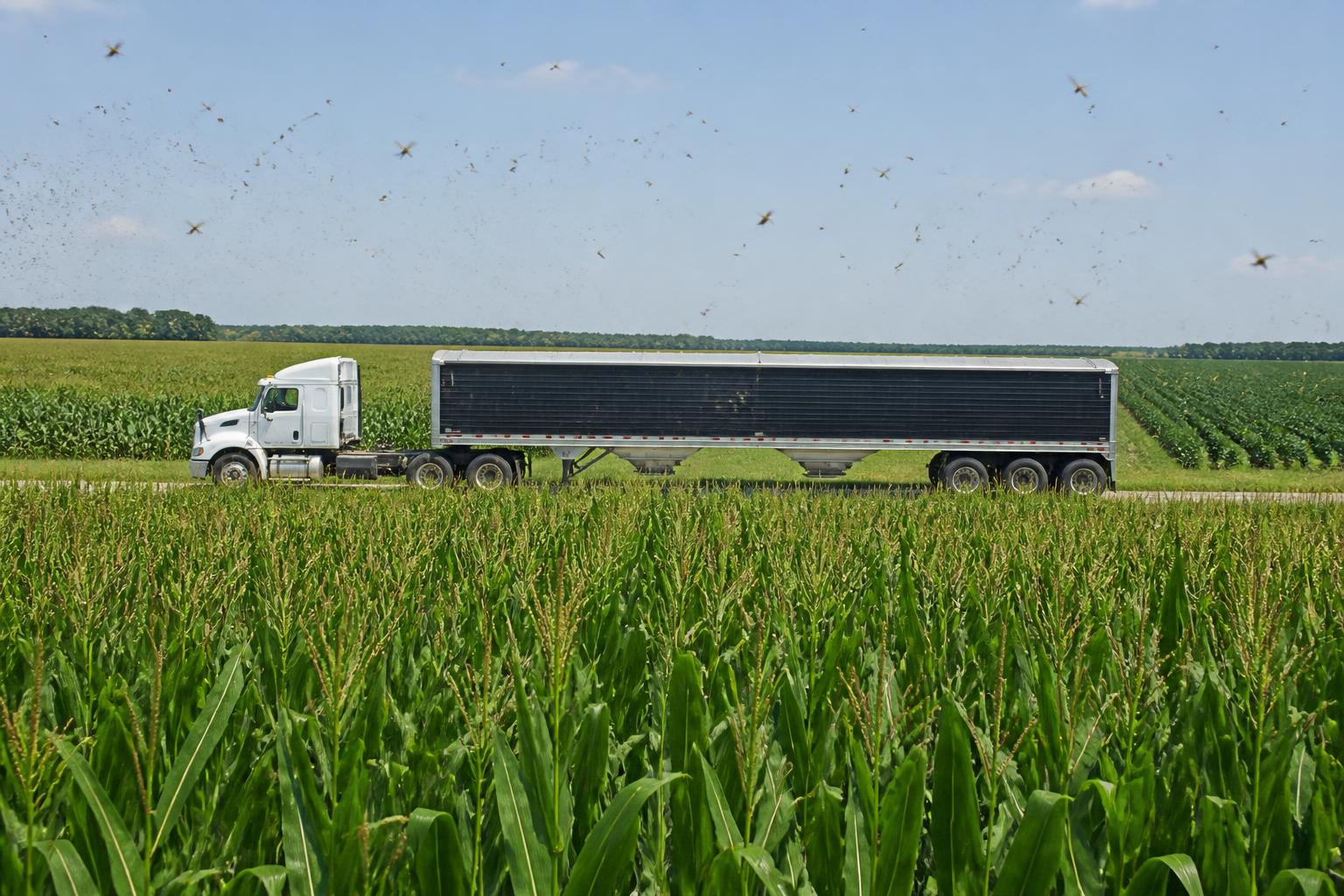
Louisiana's agricultural logistics sector is seeing a renewed focus on port connectivity as the mid-summer season progresses. Recent efforts to formalize collaboration between Corn Belt ports and Louisiana port authorities highlight a growing emphasis on optimizing the movement of grains through the Mississippi River corridor. For local agribusinesses and grain handlers, this development may signal long-term shifts in throughput efficiency and vessel traffic patterns from the Delta down to the Gulf Coast.
Strengthening Regional Logistics
The strengthening of ties between these transport hubs often translates into more streamlined freight coordination. As producers continue to monitor Louisiana grain markets and basis trends, improved logistical synergy could play a role in how commodities are staged and moved toward export terminals. Efficient grain transportation is critical during the busy summer months when intermodal activity typically intensifies.
Market Stability Amid Environmental Realities
Beyond infrastructure, the current landscape remains heavily influenced by weather-related factors, which continue to dictate market sentiment across the state. Producers are staying vigilant, as seasonal pressures often create volatility in commodity pricing. While logistical improvements at the ports provide a structural advantage, local firms are also paying close attention to Louisiana fertilizer market shifts to manage their bottom lines effectively amidst fluctuating input costs.
Proactive Management for Producers
In addition to infrastructure and commodity pricing, the state's agricultural community continues to adapt to evolving regulatory and environmental conditions. Managing risks—whether they be supply chain interruptions or emerging pest pressures—remains a top priority. Growers are encouraged to stay informed on Louisiana crop protection outlooks to ensure their operations remain resilient throughout the harvest season.
What it means for the market
The commitment to enhancing port cooperation suggests a strategic move toward tighter integration between domestic grain production and international shipping channels. For Louisiana operators, this means keeping a close eye on transport capacity and regional basis shifts as the summer progresses into the busier autumn harvest cycles.
Comments
No comments yet - be the first to share your take.