
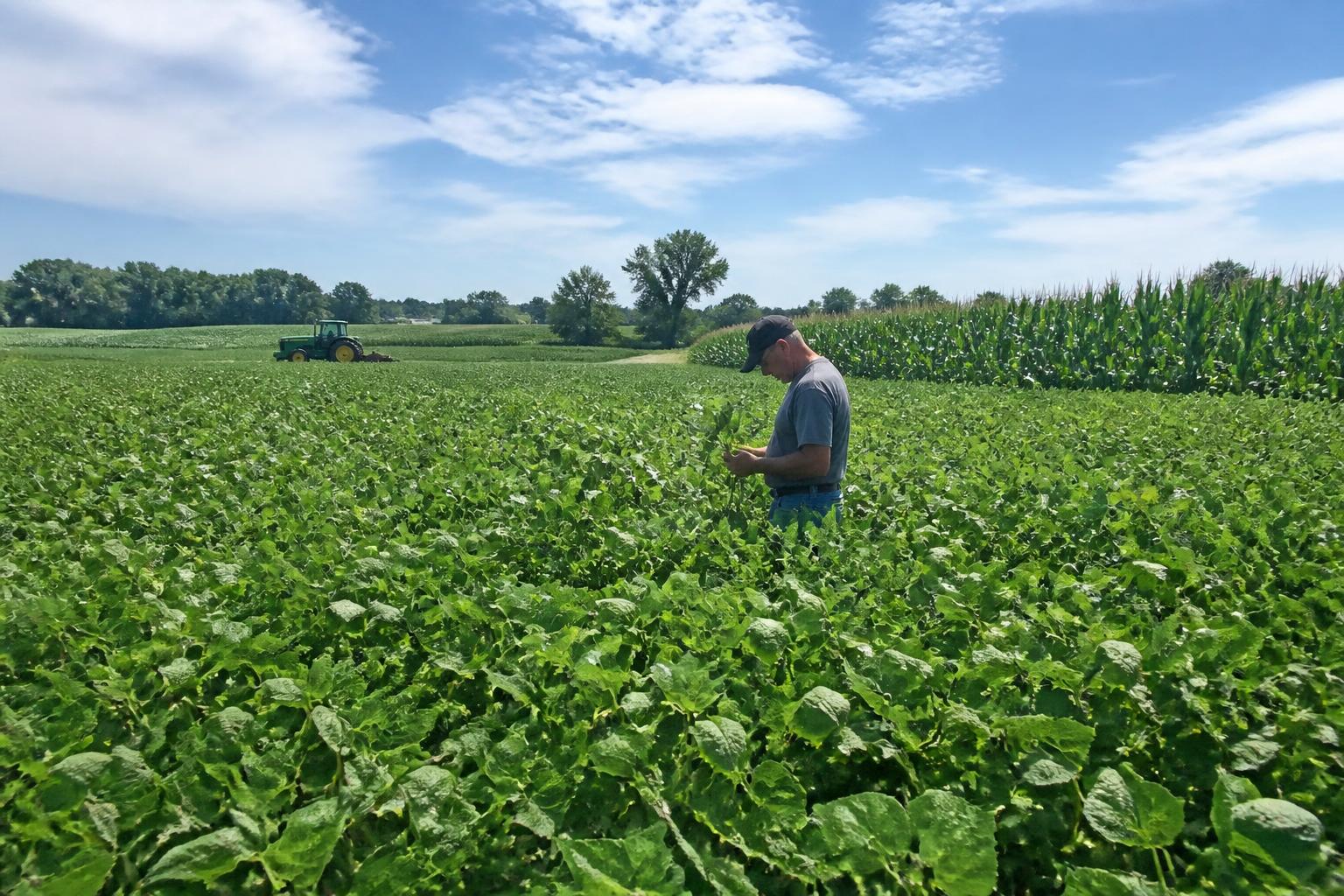
As Georgia’s mid-summer agricultural activity reaches a critical phase, stakeholders across the state's supply chain are paying close attention to evolving logistics frameworks. With harvest timelines and seasonal transport demands intensifying, legislative updates regarding truck weight limits are drawing significant interest from carriers and grain handlers alike. These adjustments are aimed at streamlining the movement of essential agricultural goods, which often face bottlenecks during peak periods when secondary roads in regions like Bulloch or the coastal plain see increased traffic.
Infrastructure and Planning for the Long Term
Beyond immediate regulatory shifts, the Georgia Department of Transportation is actively soliciting public input for its four-year rural transportation plan. For local agribusinesses and fleet operators, this represents a chance to highlight recurring pain points, such as bridge weight restrictions or the need for road upgrades in key agricultural corridors. Engaging with this planning process can be instrumental in securing the connectivity necessary for efficient inbound and outbound freight movement during the upcoming harvest months.
Market Integration and Regional Growth
The state's growing reputation as a top-tier exporter brings both opportunity and pressure to the logistics sector. As the demand for reliable cold chains and efficient bulk transport grows, investments in state infrastructure are becoming increasingly vital. While individual firms—such as recent expansions by major food solutions companies in the Atlanta metro area—continue to bolster the state's economic profile, the backbone of this success remains the physical ability to move raw commodities from the farm gate to regional processors and major port facilities with minimal delay.
What it means for the market: For Georgia farmers and transport partners, the current environment emphasizes the need for proactive engagement with state agencies. With new weight regulations on the horizon and long-term planning underway, monitoring these updates is essential to maintaining margins and avoiding costly transport disruptions. Staying informed on infrastructure improvements can help agribusinesses better forecast their logistics costs as they prepare for the remainder of the summer and the transition into fall.
Comments
No comments yet - be the first to share your take.