
The Missouri agricultural landscape is undergoing a period of transition this fall. As producers push through the final stages of the harvest season, the regional logistics network is adapting to recent consolidation within the grain handling sector. Specifically, the acquisition of four ADM grain facilities by MFA Incorporated is expected to alter traditional delivery routes and storage workflows for many growers across the state.
For producers in regions served by these transit points, understanding how these shifts in ownership and operational oversight will impact local elevator capacity is essential. Efficient grain movement remains a top priority, particularly as farmers balance the need to clear bins and manage transport costs in an environment where logistical efficiency directly affects the bottom line.
Infrastructure and Logistical Considerations
Beyond facility ownership changes, Missouri's transport corridors are facing the typical seasonal pressures of late-year agricultural activity. Whether navigating state highways or regional rail spurs, keeping a close eye on local storage constraints can help prevent bottlenecks at intake facilities. Staying informed on infrastructure growth and transport updates is vital for minimizing downtime during the peak delivery window.
Furthermore, managing these logistical hurdles requires foresight regarding secondary storage and regional demand. Growers who maintain flexibility in their destination points often find themselves better positioned to adapt when local elevators reach capacity. For more tactical approaches to managing these flows, farmers are continuing to review strategies for input costs and transport efficiency to protect their margins during high-volume periods.
Adapting to Seasonal Challenges
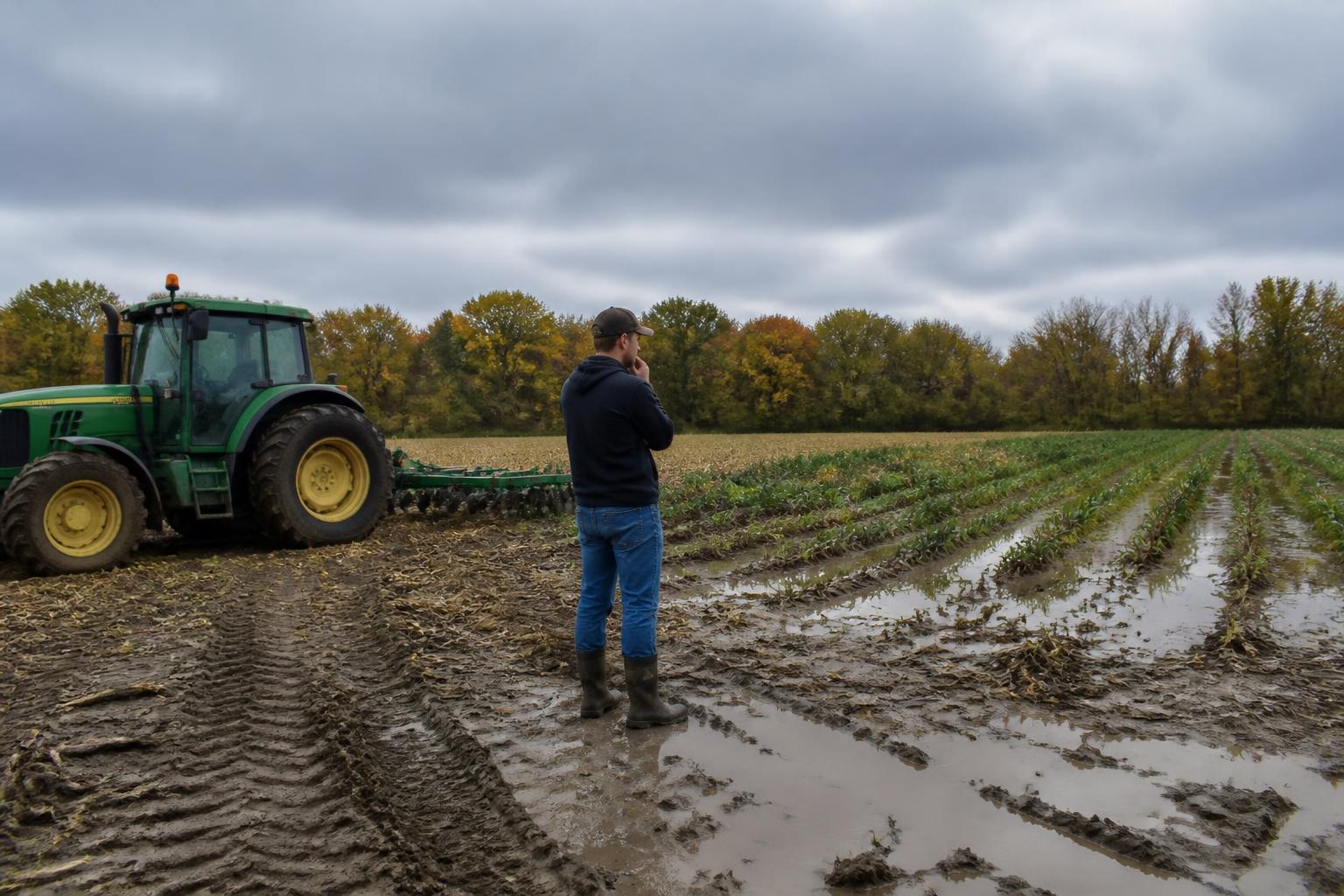
The transition into late fall often brings a focus on field recovery and long-term planning for the coming cycles. As moisture levels fluctuate, understanding how to best manage current field logistics becomes as important as transport itself. Proactive planning helps mitigate the impact of unpredictable weather patterns on both harvest timing and the subsequent transport of grain from the field to the terminal. Growers can find guidance on navigating field logistics and soil conditions to ensure that harvest activities remain as productive as possible despite varying soil states.
What it means for the market
For Missouri agribusinesses and producers, the combination of consolidated grain infrastructure and ongoing seasonal demands reinforces the need for clear communication with local terminals. Farmers who prioritize early planning for haul routes and stay updated on local elevator capacity will be better equipped to manage the remaining harvest volume, ultimately maintaining stronger control over their logistical bottom line as the season winds down.
Comments
No comments yet - be the first to share your take.