
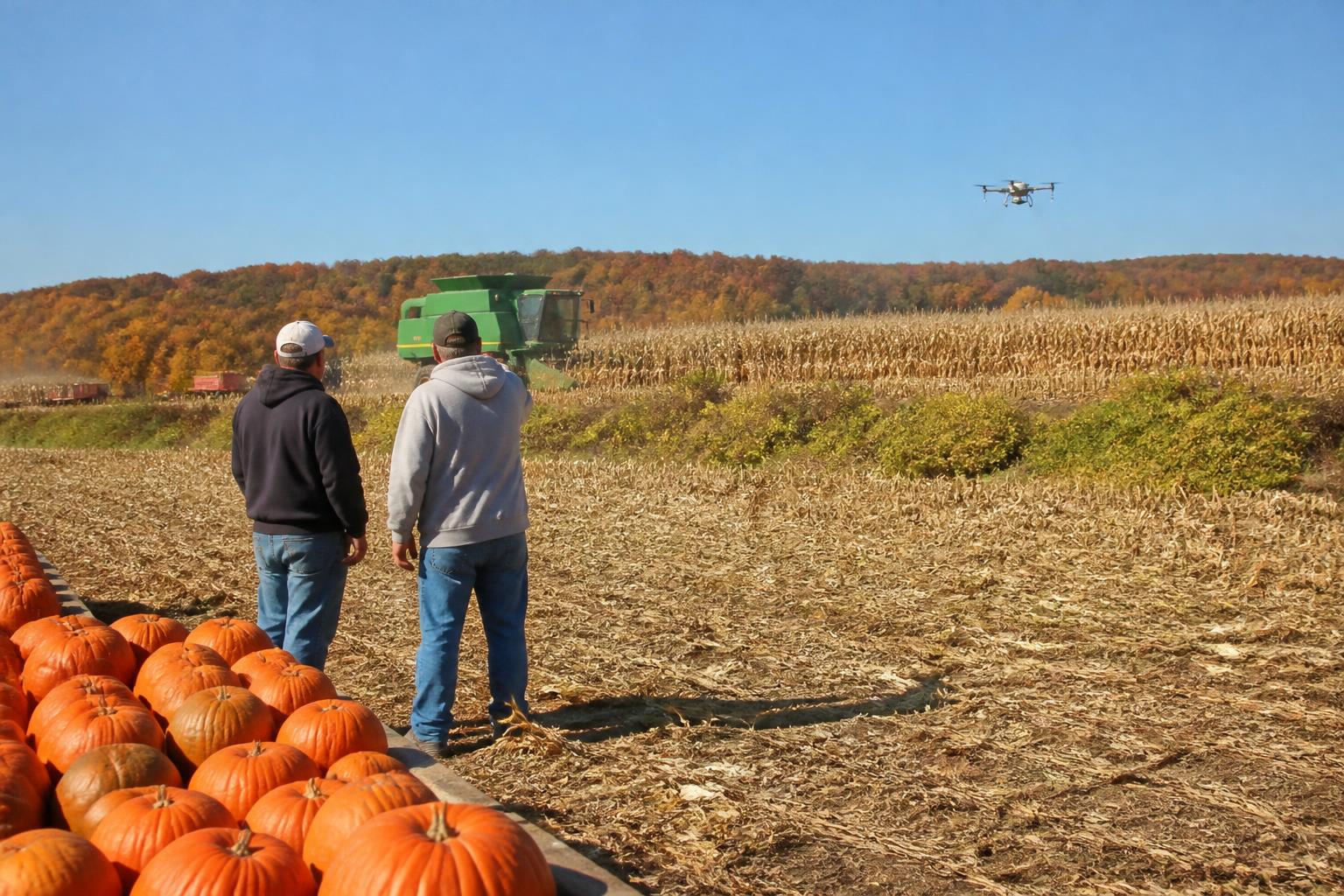
Arizona agriculture stands at a critical juncture as the fall season accelerates. Producers and logistics providers across the state, particularly in the productive Yuma region, are navigating the complexities of seasonal transitions that influence everything from labor demand to transportation throughput. Managing these shifts effectively requires a keen eye on both regional infrastructure and the broader market signals impacting supply chains.
As operations ramp up to meet fall production schedules, the importance of efficient logistical planning cannot be overstated. For many handlers, balancing transit times with potential weight restrictions and regional traffic bottlenecks remains a persistent challenge. Operators are encouraged to stay proactive, as navigating fall operational challenges requires constant coordination between field harvest teams and transport fleets to maintain the speed necessary for high-perishability commodities.
Infrastructure and Regulatory Updates
The state's agricultural resilience is bolstered by ongoing investments, such as the recent federal funding directed toward sterile fly dispersal facilities. Such initiatives are vital for protecting the long-term viability of Arizona's specialty crops. At the same time, regional agribusinesses continue to adapt to evolving standards, including shifts in production mandates. Staying informed on these changes is essential for maintaining compliance and market access.
Optimizing Supply Chain Efficiency
Beyond local regulations, global pressures continue to influence the operational environment. Whether dealing with fluctuating input costs or the broader logistical hurdles seen in domestic grain and livestock transport, regional businesses often find that flexibility is their greatest asset. For those managing complex distribution networks, managing seasonal shifts and infrastructure pressures is becoming a core component of sustainable growth, ensuring that Arizona's output reaches domestic and international markets despite potential bottlenecks.
What it means for the market
For growers, carriers, and processors, the current environment demands a data-driven approach to logistics. By anticipating seasonal bottlenecks and staying ahead of regulatory updates, Arizona agribusinesses can better shield themselves from the volatility currently impacting global supply chains. Success this season will likely hinge on the ability to integrate regional production schedules with the shifting realities of U.S. transit corridors.
Comments
No comments yet - be the first to share your take.