
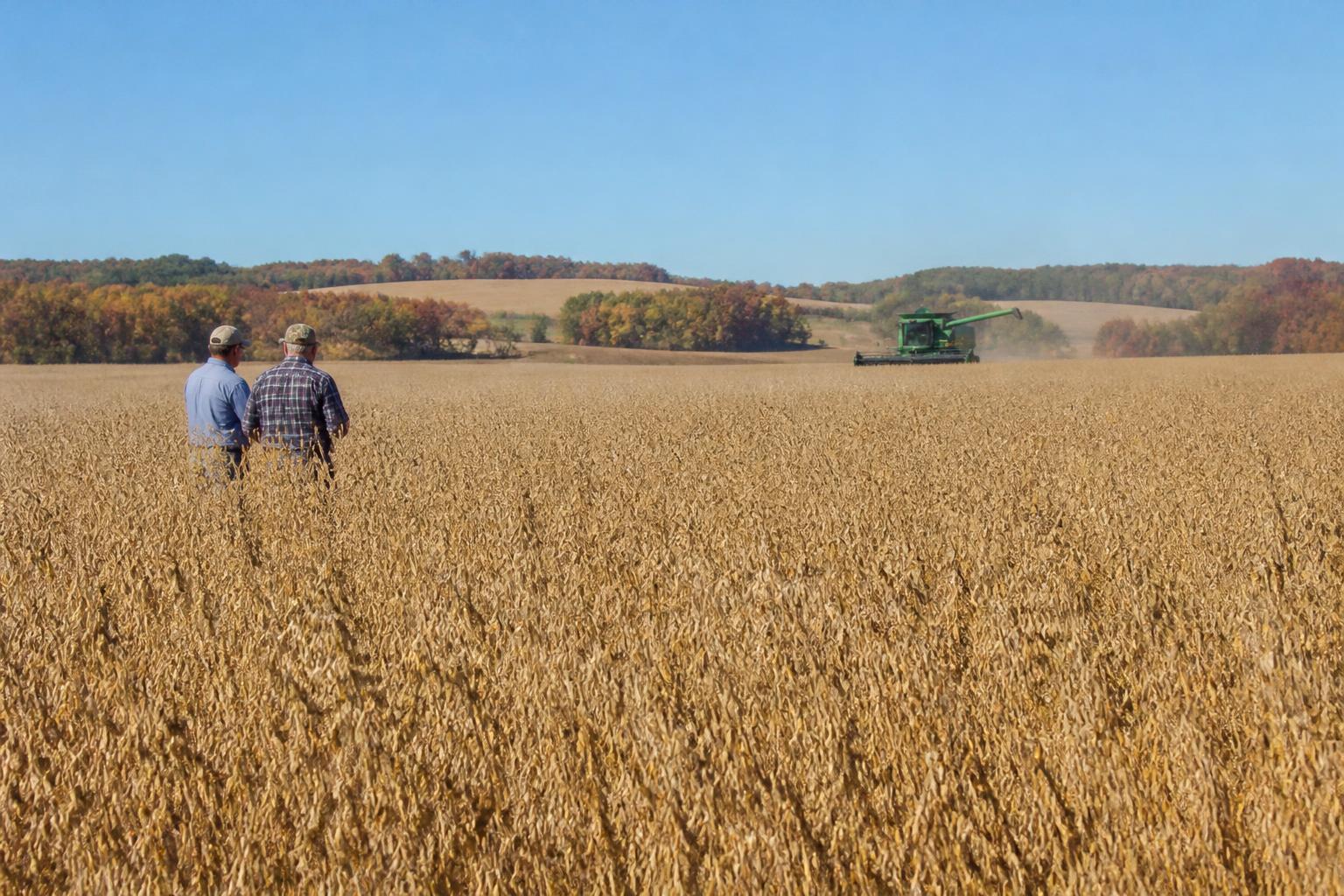
As the Kansas harvest progresses into full swing this October, producers and logistics providers are balancing the familiar pressures of seasonal throughput with ongoing macroeconomic headwinds. While field work continues across the state, the cost of moving grain remains a significant variable for operators managing local elevator capacity and regional transport corridors.
High fuel costs continue to influence the bottom line for trucking fleets and agricultural operations. With forecasts suggesting that diesel prices may remain elevated for the foreseeable future, many agribusinesses are looking for ways to optimize their logistical workflows. This is particularly relevant for those coordinating field progress and market strategy during the final stretch of the season.
Infrastructure and Operational Hurdles
The movement of grain from rural bins to terminal markets relies heavily on a functioning transport network. In parts of Kansas, the efficiency of this system is frequently tested by peak seasonal demand, making communication between farmers, elevators, and carriers essential. Furthermore, concerns regarding rail freight safety and workforce stability in the broader agricultural sector often surface as topics of legislative and industry focus, highlighting the complexity of the supply chain.
For those managing the logistical realities of the harvest, staying ahead of potential bottlenecks is a primary goal. Whether utilizing short-haul trucking to reach local silos or navigating the demands of rail loading facilities, the ability to pivot in response to regional supply constraints often distinguishes successful operational cycles.
What it means for the market
In the current environment, Kansas producers should prioritize efficient route planning and equipment maintenance to buffer against persistent energy costs. As the industry looks toward future cycles, the integration of precision logistics and potential fleet renewals remains a long-term strategy for managing the rising costs associated with transporting agricultural output.
Comments
No comments yet - be the first to share your take.