
As harvest preparations gain momentum across the state, Ohio producers and agribusinesses are navigating a changing regulatory landscape. The recent introduction of a statewide quarantine for the spotted lanternfly is prompting many operators to revisit their transport and logistics protocols. For grain elevators and logistics providers, this means maintaining tighter oversight of equipment and cargo movement to avoid potential delays or compliance issues during the busiest times of the year.
Integrating efficient grain infrastructure management is more critical than ever. With the quarantine in effect, businesses involved in cross-county transport should ensure that cleaning procedures for trucks and trailers remain consistent. These preventative steps are vital for minimizing the risk of spreading invasive species through established agricultural corridors.
Adapting to New Operational Standards
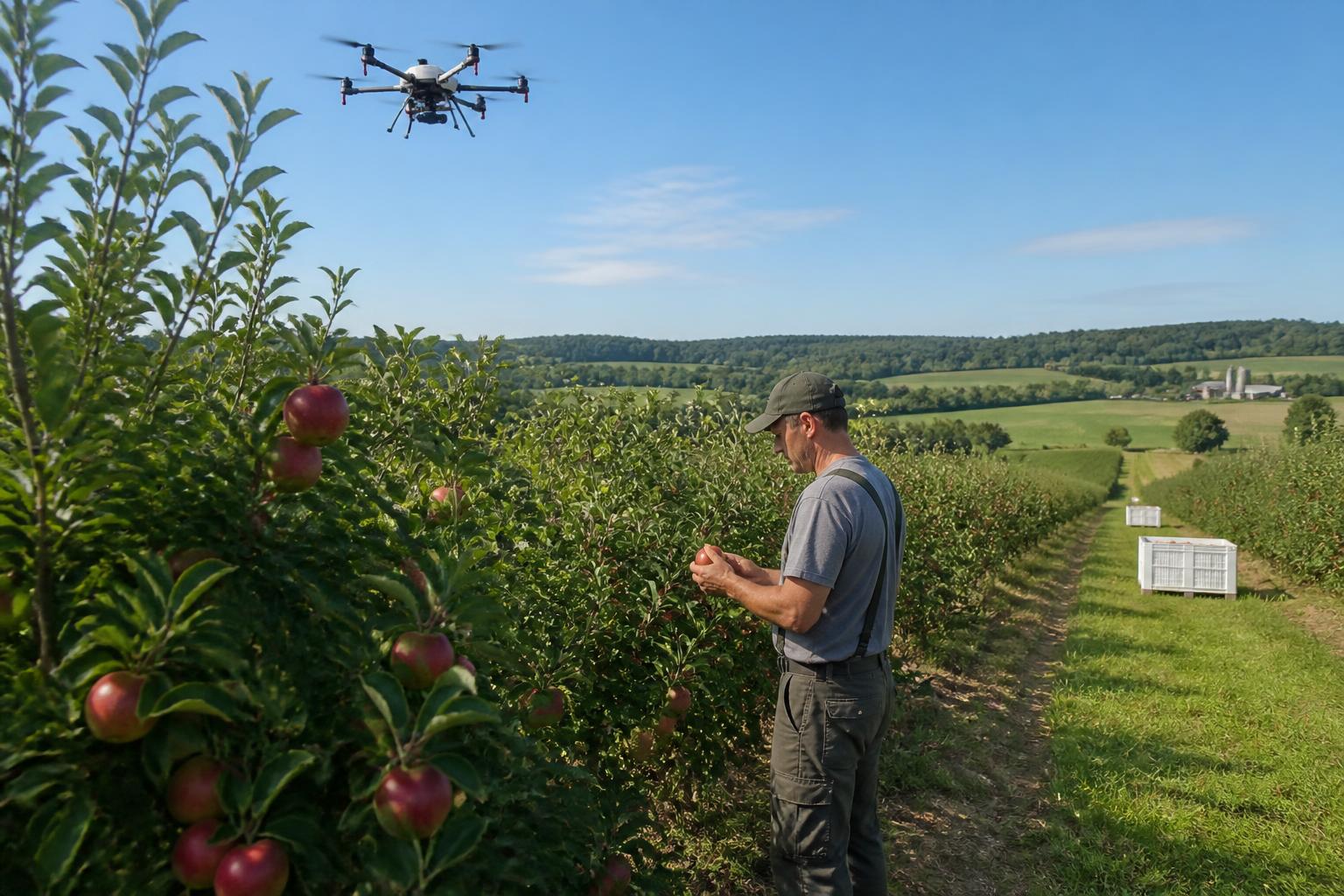
Beyond pest management, Ohio agribusinesses are grappling with long-term infrastructure pressures. Projections regarding water demand and the increasing adoption of automated technologies, such as drone-based surveying, are reshaping how firms plan for future capacity. For many in the grain sector, this translates to a greater emphasis on supply chain reliability and the importance of localized partnerships to secure essential inputs.
Building Resilience in the Local Supply Chain
Collaborative efforts, such as the recent supply chain agreements between regional cooperatives and national crop nutrient suppliers, highlight the industry's focus on stability. As harvest season approaches, the ability to maintain predictable transport routes while adhering to evolving bio-security standards will remain a key competitive advantage for Ohio elevators and growers alike.
What it means for the market: Increased oversight for invasive pests may create modest, localized logistical friction. However, operators who prioritize proactive equipment inspections and maintain strong, diversified local supply partnerships are better positioned to navigate these disruptions and ensure a smooth flow of goods during the upcoming harvest.
Comments
No comments yet - be the first to share your take.