
As the summer growing season progresses across Oklahoma, producers are balancing long-term input management with ongoing crop performance evaluations. Recent industry discussions have centered on the regulatory landscape for input procurement, while field-level focus remains on maximizing yield potential through localized research.
For many agribusinesses, the intersection of federal policy and supply chain efficiency remains a critical point of concern. Industry advocates are currently pushing for a more thorough investigation by the USDA into fertilizer market dynamics before any new, potentially burdensome reporting requirements are implemented by Congress. Ensuring that these policies do not disrupt the flow of essential inputs to elevators and farm operations is a priority for stakeholders managing current logistical networks across the state.
Refining Crop Strategies
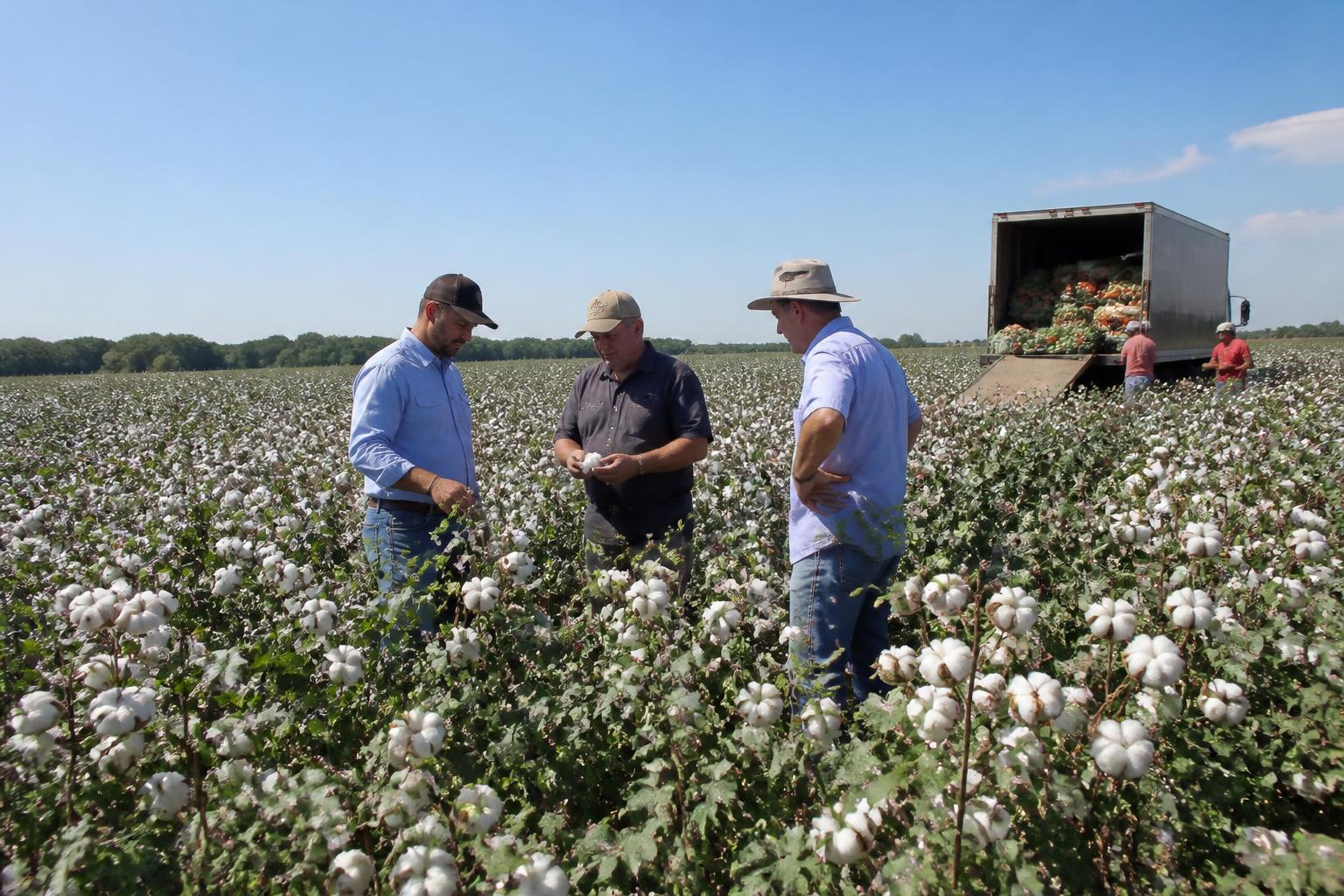
Field data continues to play a vital role in regional success. With the summer cycle in full swing, Oklahoma cotton producers are actively utilizing variety trials to pinpoint which cultivars offer the best resilience and yield potential for their specific microclimates. Selecting the right variety is a foundational step in risk mitigation, especially when paired with modern weed and nutrient management strategies designed to protect the bottom line.
Input Markets and Regional Trade
The supply chain landscape also reflects changing consumer and trade patterns. Recent reports highlight a growing influx of imported vegetables into Oklahoma, suggesting shifts in how regional wholesale markets are sourcing produce. For local farmers, these trends underline the importance of staying competitive through operational efficiency and staying informed about changing federal aid availability for their specific sectors.
What it means for the market
Producers should continue to monitor federal reporting requirements closely, as changes to fertilizer transparency could influence future input costs. Meanwhile, the focus on variety trial results and efficient logistics remains the most actionable way for Oklahoma agribusinesses to navigate the current season and prepare for future planning cycles.
Comments
No comments yet - be the first to share your take.