
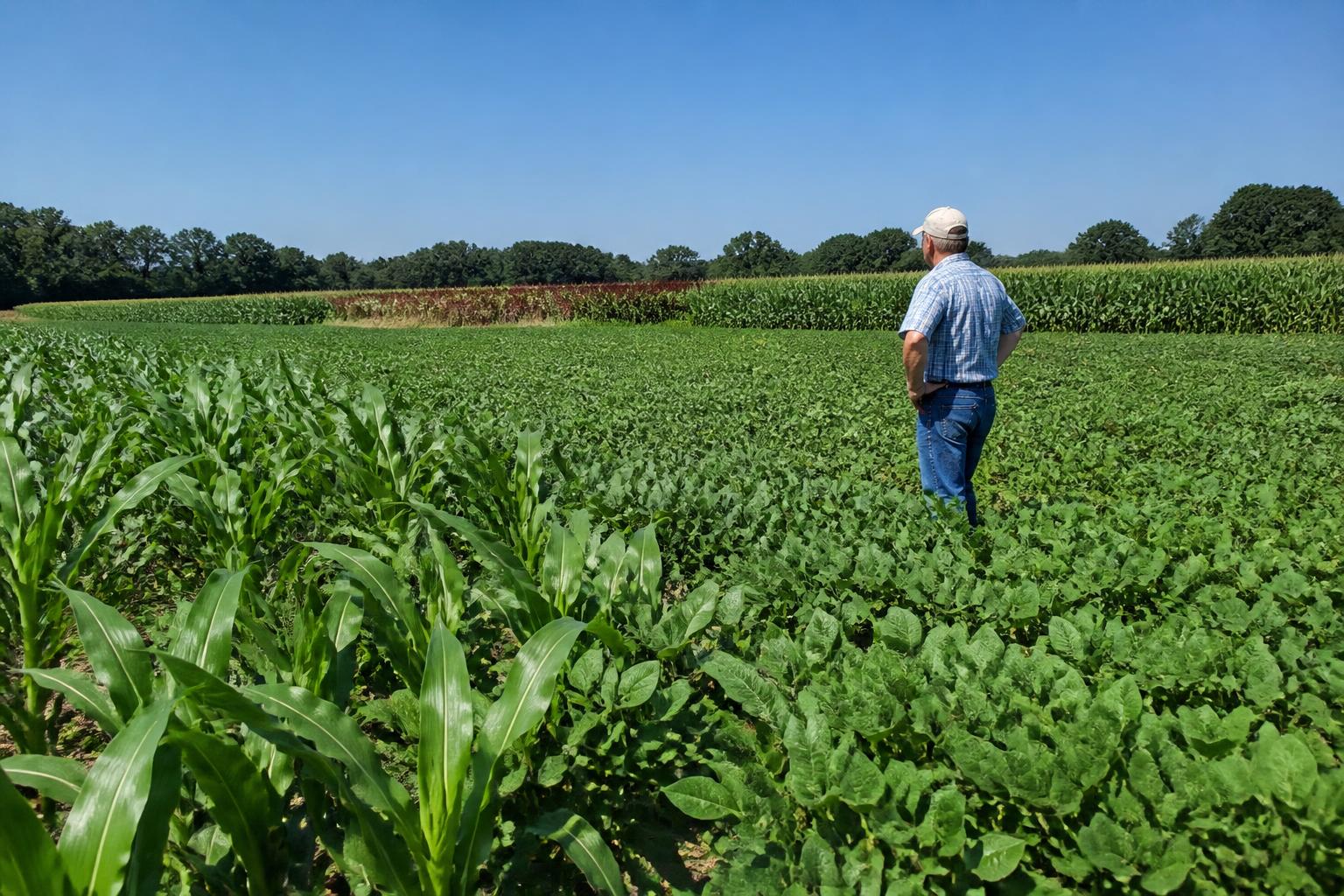
For South Carolina growers, the current agricultural window demands a careful balance between short-term logistical management and long-term production strategy. With the summer heat putting pressure on field operations, many producers are evaluating their crop mix to ensure resilience against seasonal volatility. Diversification remains a primary tool for those looking to stabilize their operations against unpredictable weather patterns, such as the late-season freezing events that have previously impacted regional yields.
Securing Input Supplies Early
Market indicators suggest that producers should prioritize the procurement of seed supplies sooner rather than later. Specifically, those interested in planting sorghum may find that current market supplies are tighter than in previous seasons. Securing these inputs well in advance can help insulate your operation from supply chain disruptions, a common challenge when navigating late-summer logistics and supply chain pressures in South Carolina.
Risk Management for Double-Crop Systems
The practice of double-cropping corn and soybeans continues to be a staple of South Carolina agricultural productivity, yet it carries inherent risks that must be managed. Farmers are increasingly focused on agronomic practices that minimize the vulnerability of these second crops. When evaluating your next rotation, consider how local environmental factors may influence yield potential, and whether your current logistics plan, such as the ability to buy grain in South Carolina through established local channels, can support potential shifts in your crop volume.
What it means for the market
The path forward in the Palmetto State rests on proactive planning. By locking in essential seed inputs now and maintaining a diversified approach to crop rotation, growers can better weather the shifting demands of the current market. Keep a close watch on regional inventory levels and prioritize communication with local suppliers to ensure your upcoming planting cycles remain on schedule despite tightening supply availability.
Comments
No comments yet - be the first to share your take.