
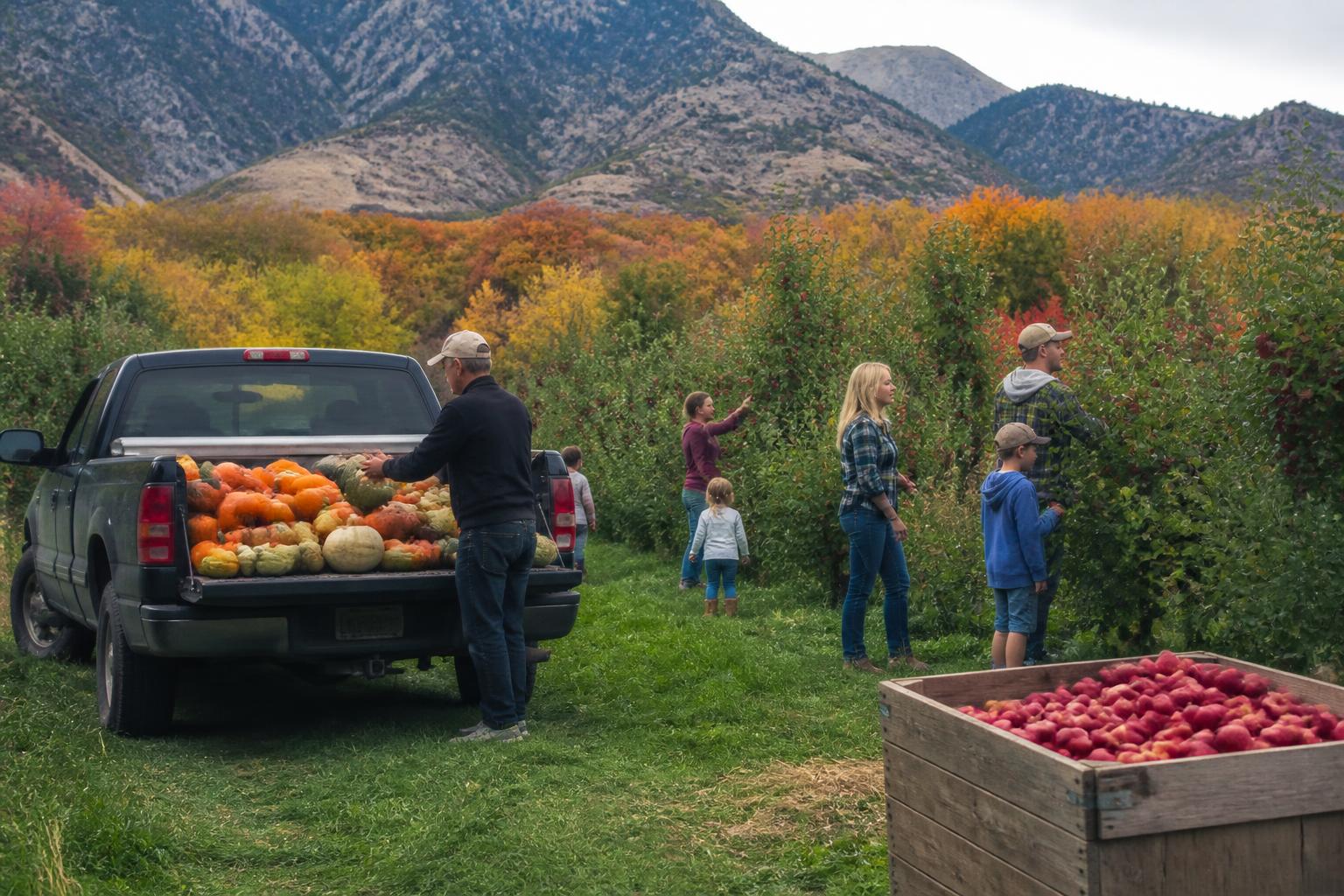
As the fall harvest accelerates across Utah, producers and agribusinesses are navigating a busy season defined by shifting procurement needs and the persistent challenge of regional logistics. While the agricultural sector prepares for the coming winter, efforts to integrate local commodities into school nutrition programs are gaining traction, providing a potential avenue for steady demand within the state. This initiative, which focuses on sourcing beef and tree fruits, reflects a broader emphasis on bolstering the resilience of local supply chains.
Aligning Operational Needs with Seasonal Logistics
For those managing grain movement and storage, this time of year typically demands close attention to transportation corridors and facility readiness. Efficiently moving product from field to bin remains a priority as the season progresses. Producers often face the dual pressure of managing tight operational margins while ensuring that on-farm storage solutions can accommodate incoming yields effectively. Those needing to sell grain in Utah will find that understanding local storage availability and carrier capacity can make a significant difference in maximizing returns during this high-activity window.
Regional Procurement and Market Stability
Beyond the grain sector, Utah's diverse agricultural landscape continues to support vital livestock and specialty crop markets. The recent collaborative efforts to deliver essential resources like lamb and sheep to the Navajo Nation underscore the importance of maintaining strong regional distribution networks. Meanwhile, the turkey market remains a point of interest for processors and retailers as they prepare for late-year demand, with current reports indicating steady activity across the sector.
Input Management and Future Preparation
As field work continues, producers are also evaluating their input requirements for the next season. Discussions surrounding soil health and the availability of essential additives, such as potassium and sulfur, continue to surface in industry conversations. Maintaining a proactive approach to soil nutrient management is essential for long-term productivity, especially as advancements in technology continue to reshape the efficiency of agricultural operations across the state.
What it means for the market
For the Utah agricultural community, the current market is characterized by a mix of steady demand in specialized sectors and the practical necessity of disciplined logistics management. Success this fall will likely favor those who can balance the immediate demands of harvest with strategic planning for local supply chain integration and efficient resource allocation. As the season winds down, staying informed on regional infrastructure developments and state-level procurement opportunities will be vital for maintaining a competitive edge.
Comments
No comments yet - be the first to share your take.