
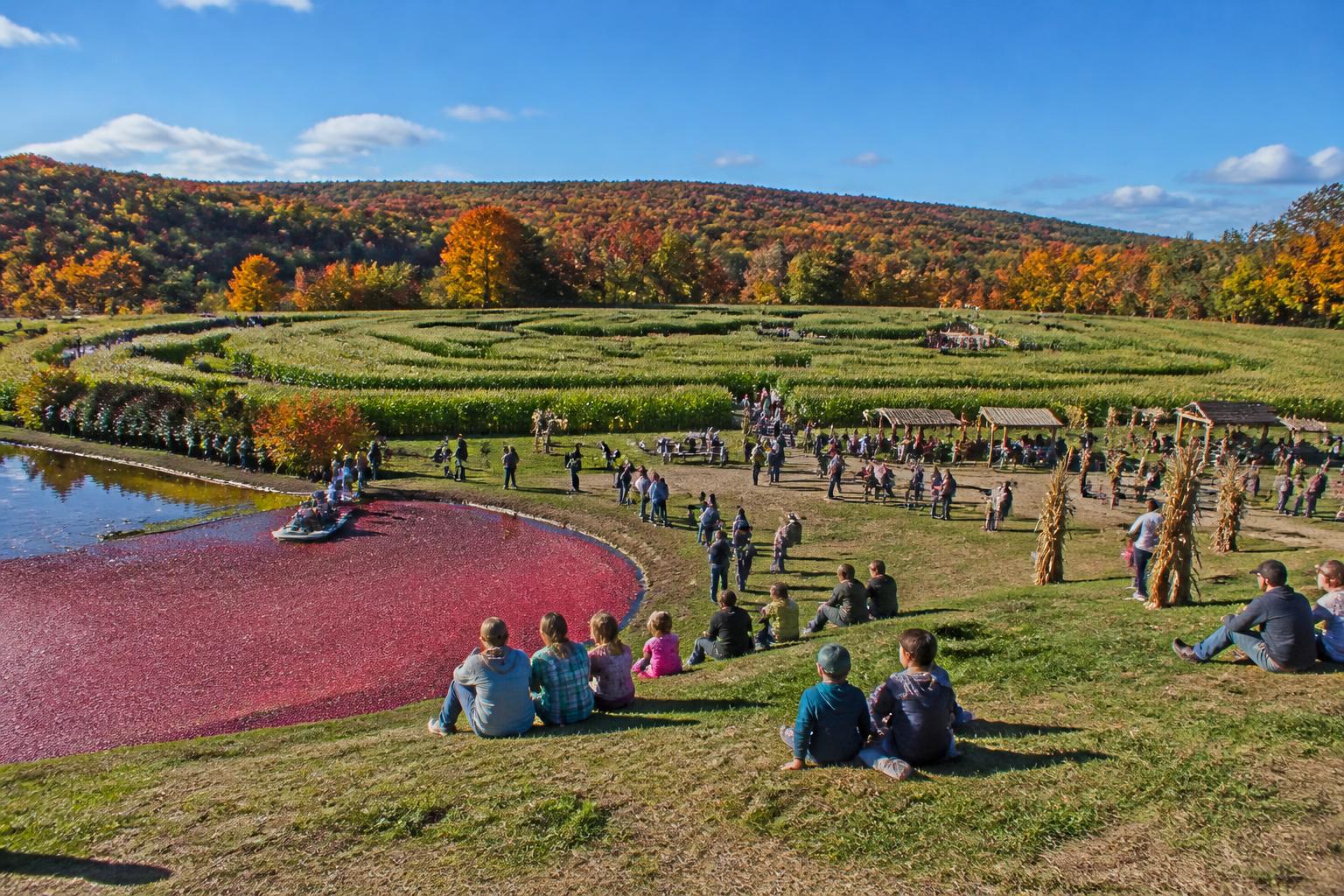
The arrival of fall brings a critical operational window for Massachusetts agriculture. As the state observes Cranberry Month, producers across the region are finalizing harvest activities, balancing the need for efficient logistics with the persistent challenges of seasonal management. For grain handlers and local agribusinesses, this period typically involves refining storage strategies and managing local throughput as late-season crop movement intensifies.
While global commodity fluctuations remain a background concern, the focus for many in the Commonwealth remains on the immediate demands of the harvest cycle. Effective coordination between farm-gate activities and distribution points is essential as rural corridors see increased traffic and the need for timely, reliable transport becomes paramount for maintaining quality control.
Refining Seasonal Logistics
For those managing the flow of goods, the current season often necessitates a proactive approach to transport and storage. Producers are monitoring moisture levels and handling requirements, particularly as regional infrastructure experiences the expected seasonal uptick in volume. Staying informed on seasonal moisture challenges is a practical step for ensuring that crops are moved and stored effectively to avoid unnecessary losses.
Market Outlook and Resource Management
In addition to active harvesting, many agribusinesses are looking ahead to future input requirements. As farmers continue to evaluate their operational expenses, understanding the broader landscape of input availability is a recurring theme in the state. Whether navigating evolving regulatory environments or assessing shifts in resource management strategies, the ability to adapt to changing overhead costs often differentiates the most resilient operations in the local market.
What it means for the market
For Massachusetts grain handlers, carriers, and input buyers, the current market environment emphasizes the value of local preparedness. By prioritizing logistical efficiency and remaining vigilant regarding input costs, stakeholders can better position themselves to navigate the complexities of this year's harvest season. Establishing clear communication channels between the field and local facilities remains the most reliable strategy for mitigating potential bottlenecks and maximizing returns as the year progresses.
Comments
No comments yet - be the first to share your take.