
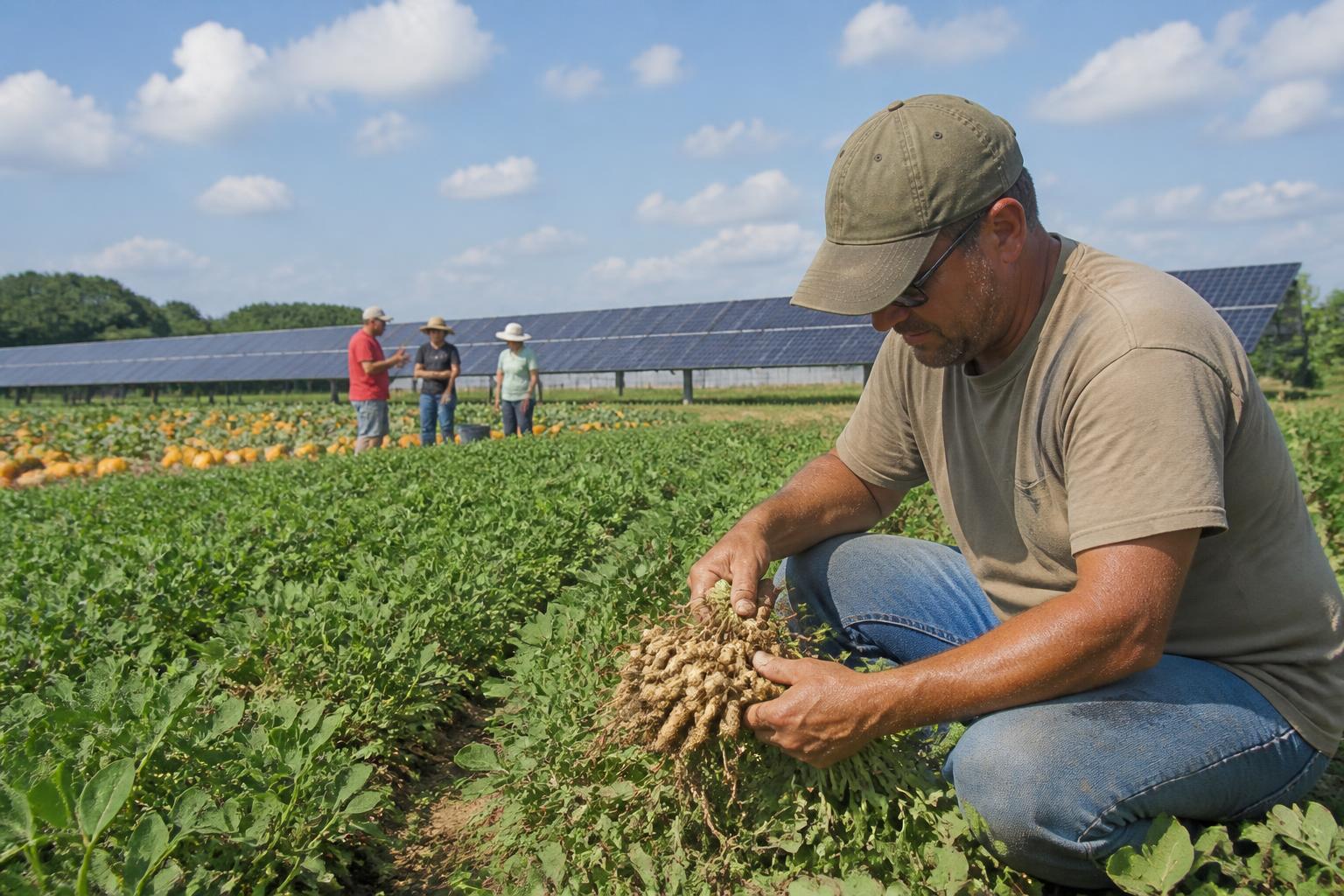
As we move through August, Virginia agricultural producers are balancing the intense demands of the summer season. While much of the focus remains on field care and crop development, efficient movement of goods from farm to processing or market centers is becoming increasingly vital. Producers across the state, from the Tidewater region to the Shenandoah Valley, are managing logistics in a climate where timing can significantly impact commodity quality.
Efficient distribution requires a keen eye on local transport networks. Whether you are managing the movement of specialty crops like pumpkins and peanuts, or preparing for upcoming harvest volumes, maintaining steady communication with freight partners can help mitigate delays. In many parts of the state, local infrastructure often experiences seasonal traffic shifts, making proactive scheduling a necessity for handlers and growers alike.
Optimizing Local Supply Chains
With new distribution facilities, such as those recently appearing in Northern Virginia, the landscape for local produce movement is evolving. For many agribusinesses, integrating these new nodes into existing supply chains may offer opportunities to shorten transit times. Understanding how these regional assets interact with traditional storage and grain handling facilities is key to maximizing operational throughput this season.
Navigating Market Pressures
As state leaders continue to engage with producers on logistics challenges, farmers are encouraged to keep a close watch on regional input costs and labor availability. Effectively navigating late summer crop protection and land management in Virginia, alongside smart logistics planning, provides a sturdier foundation for those dealing with market volatility. Keeping accurate, real-time data on harvest progress can also help logistics managers allocate resources more effectively as we approach the final stretch of the summer season.
What it means for the market
For Virginia farmers and handlers, the current environment demands high levels of operational agility. While external pressures remain, prioritizing efficient local logistics and utilizing modern distribution infrastructure can help protect margins. As the season progresses, focusing on reliable transport partnerships and staying informed on regional infrastructure updates will be the most effective strategy to ensure that output reaches its destination without avoidable friction.
Comments
No comments yet - be the first to share your take.