
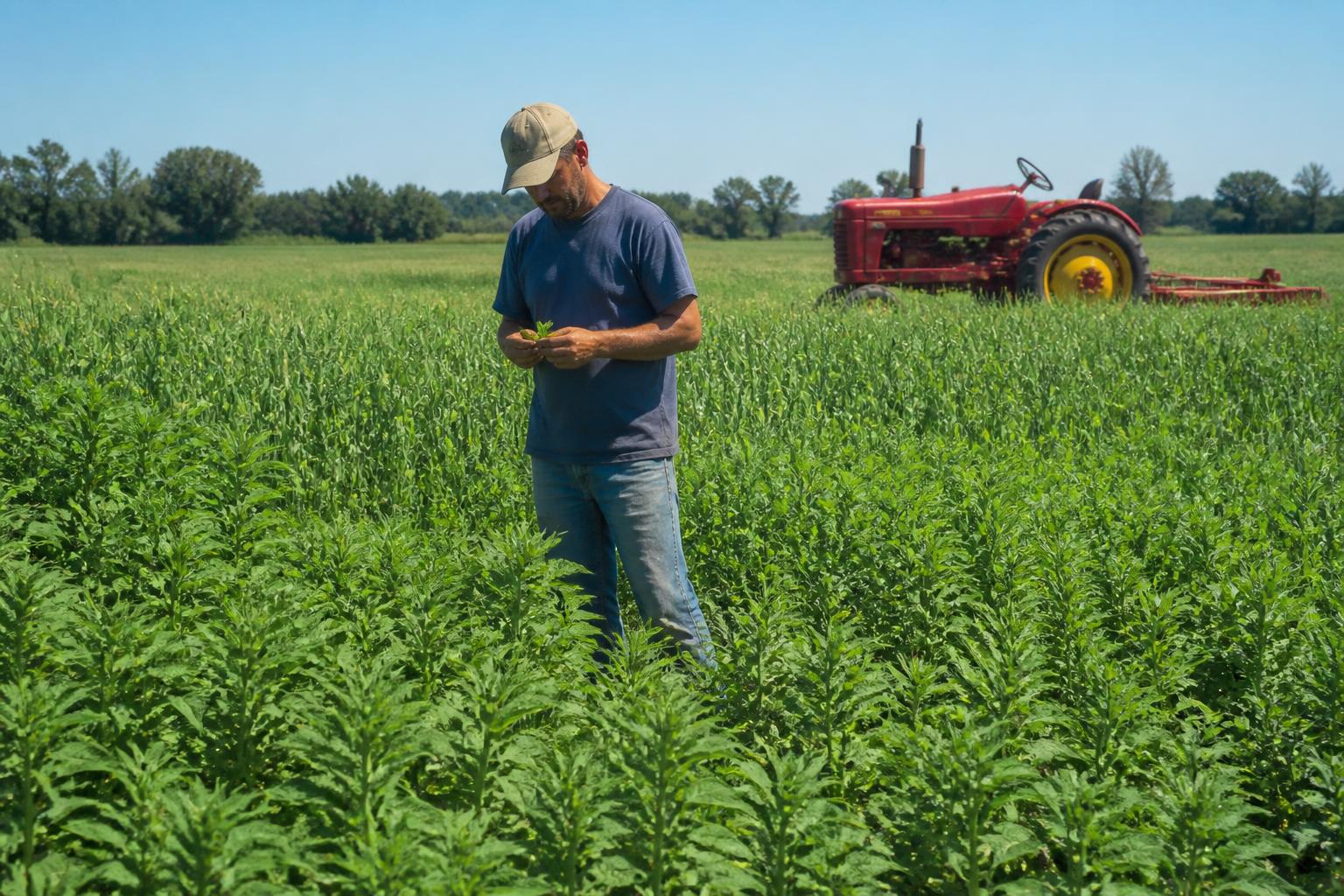
Wisconsin producers are currently navigating a complex environment as late-summer heat continues to influence field operations. With global trade tensions placing pressure on American soybean exports, local growers are re-evaluating their marketing strategies. This environment, characterized by tighter profitability compared to previous seasons, is pushing many agribusinesses to focus on operational efficiencies and long-term risk management.
As farmers monitor their bottom lines, there is a renewed emphasis on the legislative landscape. Potential provisions in the upcoming farm bill may provide additional support for dairy and specialty crop sectors, which remain vital to the state's agricultural identity. Producers are watching these developments closely, as they could influence everything from crop insurance incentives to future investment in Wisconsin grain markets.
Diversification and Market Resilience
Beyond traditional row crops, some Wisconsin operations are finding success through extreme niche diversification. For instance, high-value specialty crops like mint continue to see dedicated acreage, illustrating how local farmers are adapting to shifting consumer demands and industrial needs. Heritage wheat production also represents a growing interest, as growers seek to build community-based food systems that prioritize local resilience over purely export-driven models.
Logistics and Resource Management
Efficient resource management remains a cornerstone for Wisconsin agriculture this summer. As the season progresses, farmers are looking toward sustainable practices to mitigate input costs. Programs offering rebates for planting cover crops are serving as a practical tool for many, aiding both soil health and financial stability. Additionally, the broader agricultural infrastructure continues to evolve, with organizations and community-led initiatives exploring new ways to connect farmers directly with local markets to bypass some of the volatility seen in larger commodity chains.
What it means for the market
The Wisconsin agricultural sector is currently in a state of adjustment. While the pressure from international soybean trade uncertainty is undeniable, the state's focus on high-value specialty crops and legislative advocacy for dairy and ethanol-related infrastructure suggests a sector that is actively working to insulate itself from broader market shocks. Producers should prioritize monitoring federal policy updates, as these decisions will likely serve as the primary catalyst for regional market shifts heading into the fall harvest season.
Comments
No comments yet - be the first to share your take.