
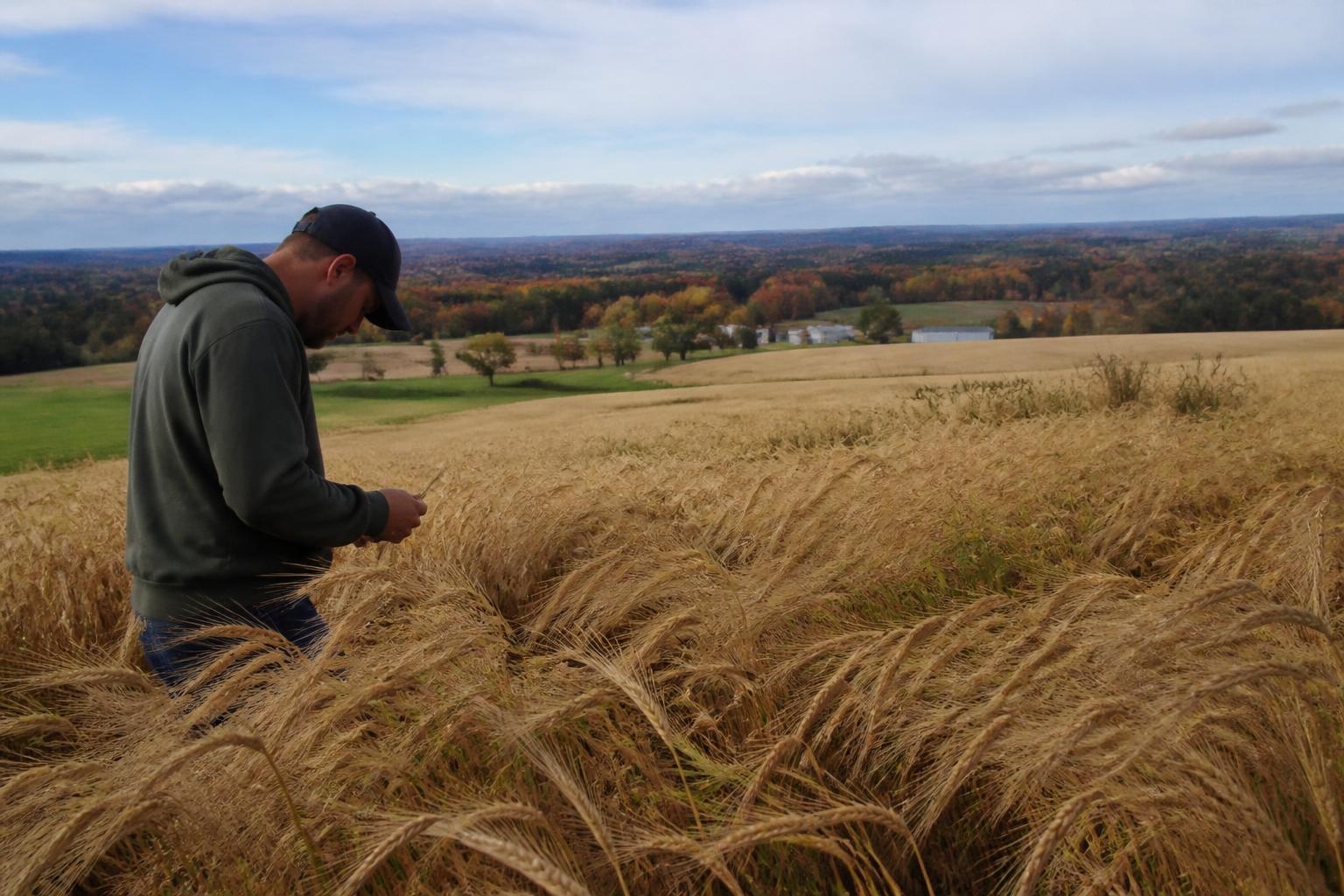
As Oregon producers navigate the final stretches of the fall season, the focus remains on preparing for long-term land productivity. Recent field studies from the Oregon State University Extension highlight the growing importance of integrating no-till practices and structured crop rotation into local wheat systems, particularly in the northeastern regions of the state. These management techniques are increasingly viewed as foundational for maintaining soil structure and moisture retention ahead of the winter dormancy period.
Efficient land management is not just about the soil, but also about the infrastructure that supports moving goods to market. While international reports underscore how outdated logistics systems can stifle progress, Pacific Northwest growers continue to prioritize reliable transport pathways to ensure grain and specialty crops reach their destination effectively. For those considering adjustments to their operational flow, prioritizing harvest logistics and export efficiency remains critical as current market conditions settle.
Diversification and Market Potential
Beyond wheat, producers in areas like the Willamette Valley are exploring the agronomic benefits of alternative rotations, including malting barley. Expanding the diversity of crops not only addresses soil pathogen cycles but also offers growers a way to tap into specialized value-added markets. Balancing these input strategies with proactive pest management and input selection can help mitigate the financial risks associated with standard monoculture models.
Key Takeaways for Oregon Growers
- Leverage no-till techniques to preserve topsoil and improve moisture infiltration during fall moisture events.
- Evaluate rotation cycles to include malting barley or other niche crops that align with regional market demand.
- Assess current logistics chain performance to minimize bottlenecks during peak post-harvest transit periods.
What it means for the market: For Oregon agribusinesses, the shift toward sustainable soil management practices suggests a trend toward higher land resiliency. While operational costs for transitioning to specialized equipment or rotation systems can be significant, the long-term potential for yield stability and crop flexibility positions local producers to better absorb regional price volatility. Staying lean on logistics and focusing on soil health are becoming the standard indicators of a profitable, forward-thinking Oregon farming enterprise.
Comments
No comments yet - be the first to share your take.