
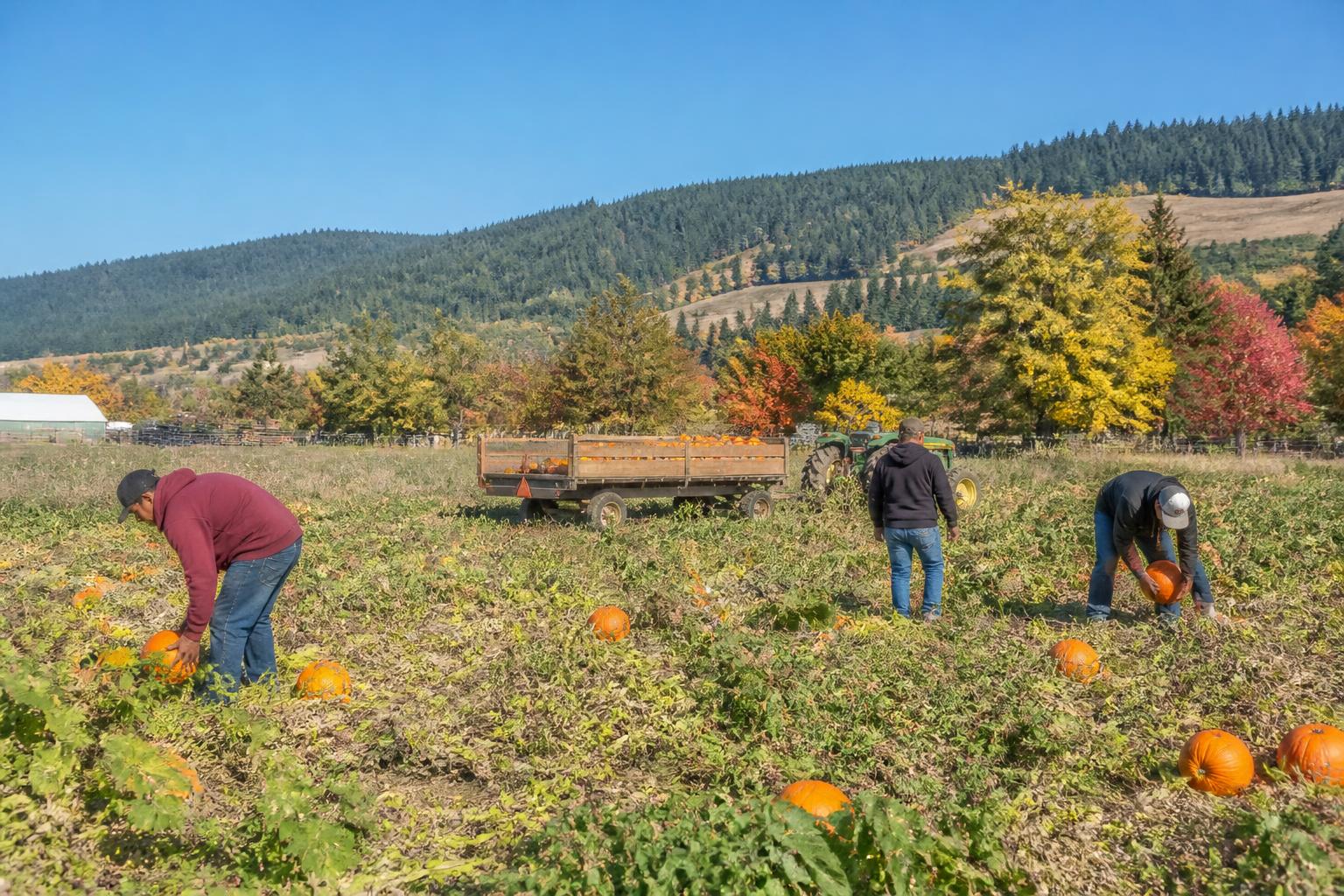
As the fall season progresses, Oregon producers are managing a multifaceted landscape. The state's agricultural sector continues to balance operational efficiency with shifting regulatory environments, while new infrastructure projects aim to provide localized processing capacity for regional growers.
Investment in milling remains a key focal point for regional supply chains. The arrival of new capacity, such as the Blue Mountain Mill in Pendleton, represents a strategic move toward localizing grain processing. These developments are critical for stakeholders monitoring harvest logistics and export-bound grain movements, as localized milling can potentially reduce the reliance on long-haul transport corridors that have faced recent scrutiny. However, the broader logistical picture remains complex, particularly as concerns persist regarding the utilization and efficacy of state-backed rail projects meant to streamline these pathways.
Regulatory and Operational Shifts
Producers should remain attentive to proposed changes in administrative oversight, specifically the potential for agricultural regulatory fees to be tied more closely to inflation. This shift, if implemented, could influence long-term budget planning for agribusinesses across the state. Furthermore, the industry continues to refine its input management strategies to align with both economic pressures and the latest compliance requirements for farmworker safety.
These regulatory discussions occur alongside legislative efforts to modernize specific crop production guidelines, such as recent legislative movement regarding hemp cultivation. For nursery operators and specialty crop growers, industry education initiatives are also gaining momentum, providing venues to discuss best practices in an increasingly competitive and scrutinized marketplace.
What it means for the market
For Oregon growers and grain handlers, the current environment demands agility. While new processing facilities like those in the Blue Mountain region offer opportunities for increased value capture, the overarching theme of the season is one of fiscal and regulatory caution. As state agencies evaluate fee adjustments and stakeholders monitor the status of critical transport infrastructure, participants are encouraged to integrate these variables into their supply chain management strategies. Staying informed on these localized developments will be essential for navigating the remainder of the fall season and preparing for the upcoming year.
Comments
No comments yet - be the first to share your take.