
Building Resilience Against Crop Threats
Florida's agricultural landscape is constantly evolving, particularly as producers navigate the complexities of protecting high-value crops from emerging pests and diseases. Recent developments indicate a shift toward more proactive, global strategies. The University of Florida is currently leading a new Feed the Future Innovation Lab specifically focused on high-value crops. This initiative reflects a broader push to modernize how the state addresses biosecurity, moving beyond traditional border-stopping methods to tackle potential threats at their source.
For growers across the state, this shift is critical. Protecting crops from invasive pathogens is often a matter of long-term economic stability, impacting everything from local packing operations to export viability. As stakeholders consider crop diversification and improved input management, these research efforts offer a framework for mitigating risk before it reaches the field.
Logistics and Market Readiness
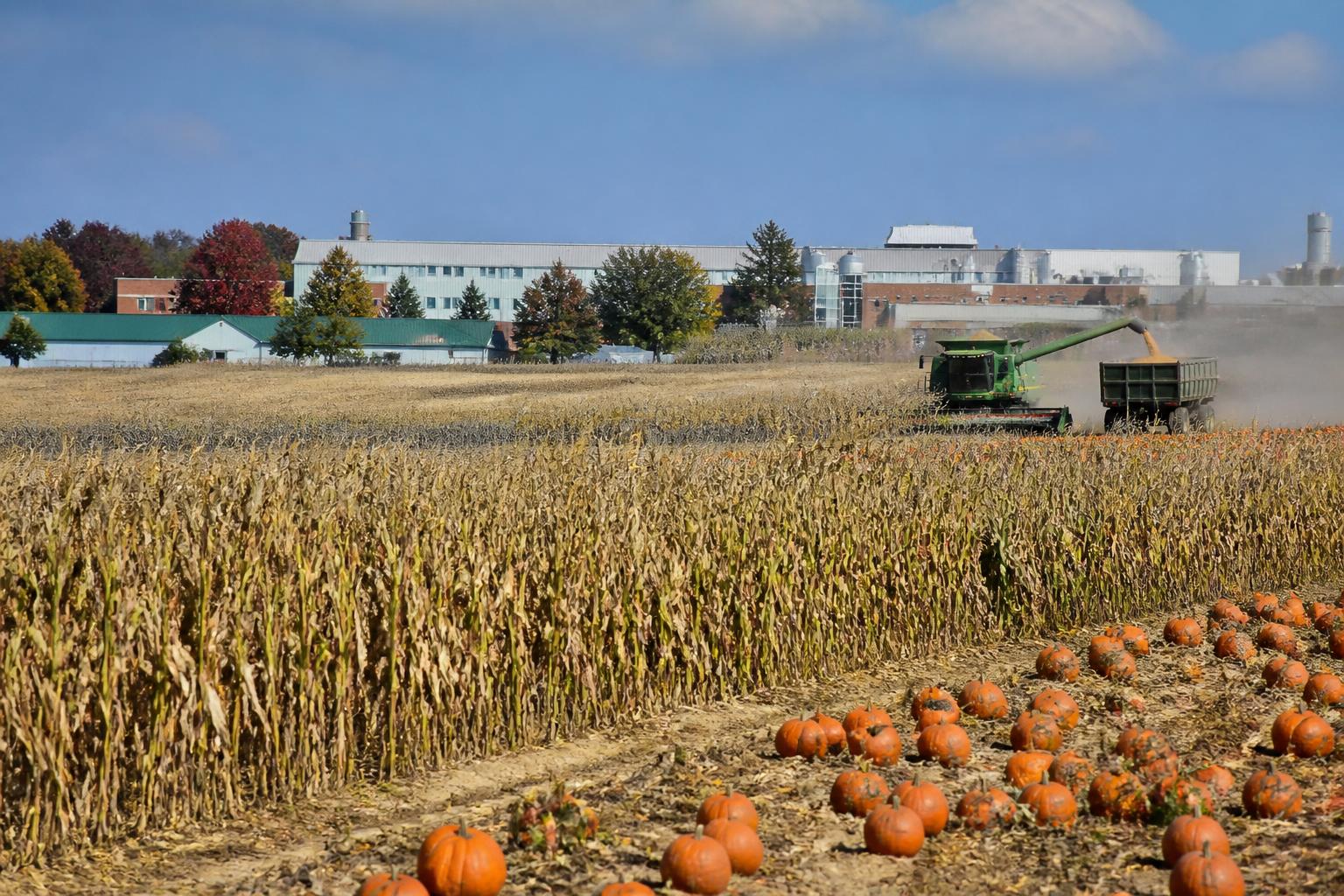
As the state enters the heart of the fall season, agribusinesses are balancing these long-term research goals with immediate operational realities. Maintaining the flow of goods remains a priority, especially given the historical sensitivity of the supply chain to external disruptions. Whether managing logistics for specialized seasonal harvests or preparing for the arrival of necessary inputs, the focus remains on operational efficiency.
In many coastal and central agricultural regions, producers are also keeping a watchful eye on how broader policy climates influence resource allocation. As seen in ongoing trade and policy discussions, the ability to adapt to shifting market pressures is essential for those involved in the grain and specialty crop sectors.
What it means for the market
The integration of global research into Florida's local farming practices signals a maturation in how the industry handles risk. For the coming months, growers should prepare for a landscape where biosecurity and supply chain transparency become increasingly integrated with production planning. Those who stay informed on these innovative protection strategies and maintain flexible logistics plans will be best positioned to handle the inherent volatility of the current market cycle.
Comments
No comments yet - be the first to share your take.