
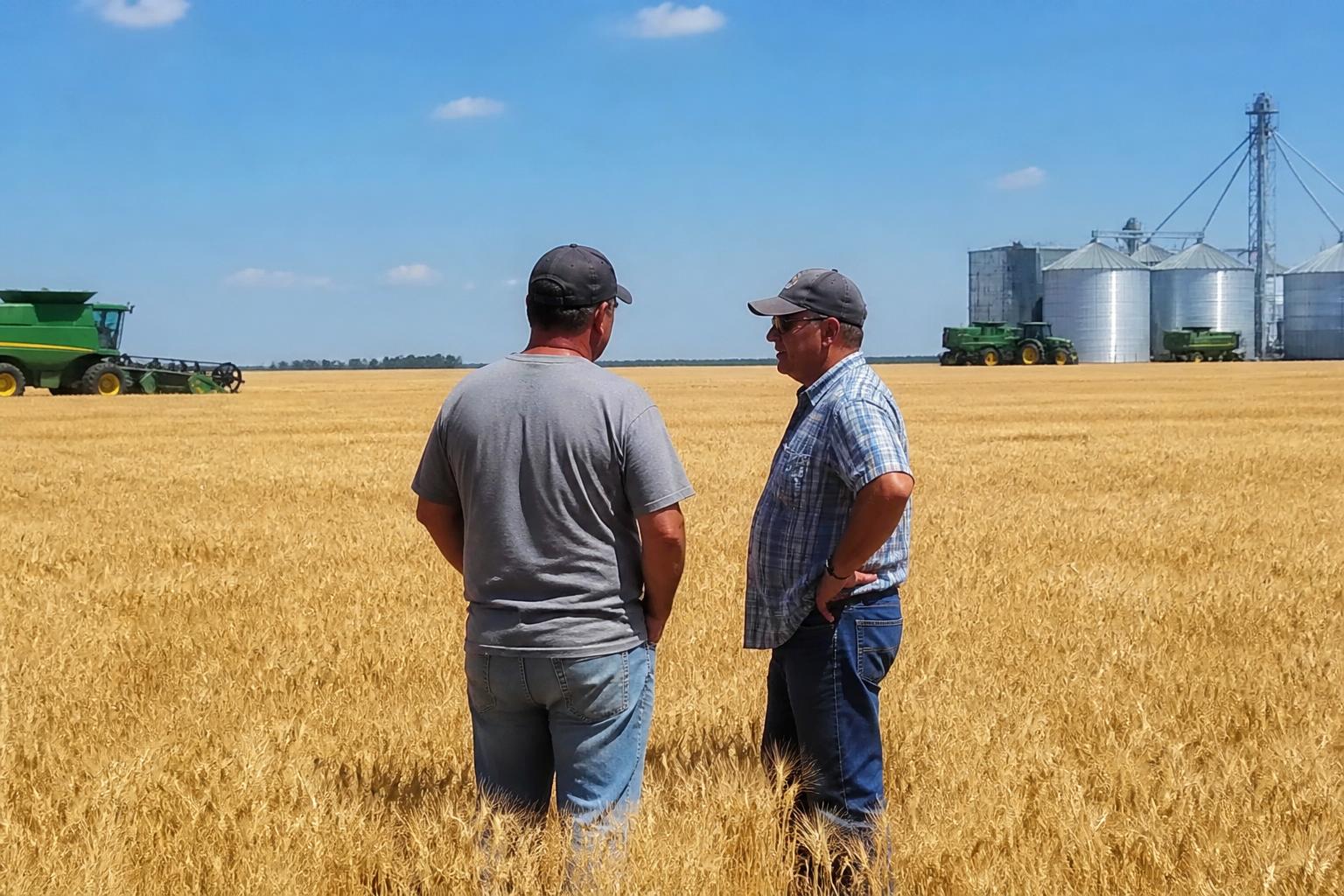
The Kansas agricultural sector is currently navigating a period of significant pressure, as the most recent wheat harvest results have highlighted production levels reaching multi-decade lows. These diminished yields are placing additional strain on local grain logistics, requiring elevator operators and producers alike to adjust their strategies for storage and transport as they move through the summer season.
For many across the state, the focus has increasingly shifted toward risk management and evaluating the health of secondary summer crops. While the wheat harvest has presented undeniable headwinds, producers are closely monitoring field conditions to mitigate further losses and preserve margins for the remainder of the growing year.
Adapting to Evolving Crop Pressures
Managing ongoing biological and environmental threats remains a top priority for Kansas growers. Effective input strategies for summer operations are critical in supporting crop yields when moisture and climate variables become less predictable. Beyond traditional grain commodities, specialized sectors such as industrial hemp continue to provide data for the Kansas hemp board, reflecting ongoing efforts to diversify agricultural portfolios despite broader industry stress.
Logistics and Resource Management
With harvest cycles shifting, the importance of maintaining robust infrastructure has never been more apparent. Producers are encouraged to keep a close watch on regional grain storage capacity, as logistics networks may face tightening constraints in some parts of the state due to localized supply variations. Beyond technical production, staying informed on monitoring pest and disease pressure is essential for protecting ROI in what remains of the current summer window.
What it means for the market
The current market landscape in Kansas suggests a period of consolidation. While production volumes for key staples are lean, the emphasis for agribusinesses and farmers should remain on cost-effective resource allocation and proactive crop surveillance. Ensuring that infrastructure and input plans are aligned with realistic yield expectations will be vital for maintaining financial stability through the upcoming fall transition.
Comments
No comments yet - be the first to share your take.