
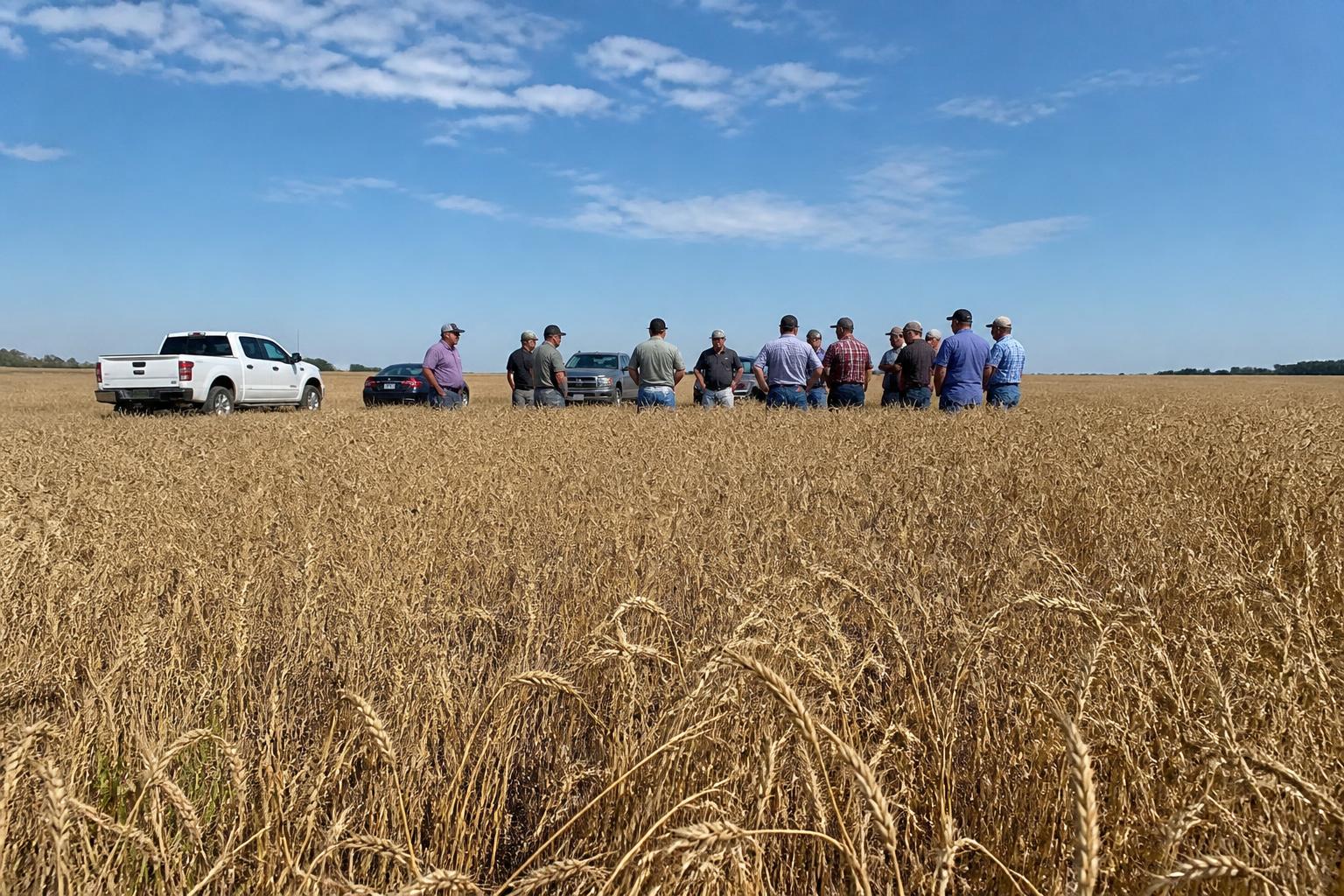
Assessing the Kansas Wheat Landscape
Recent projections highlight a challenging environment for Kansas growers, with data indicating that wheat yields have trended toward a three-year low. This decline, largely attributed to persistent drought conditions, has impacted production capacity across the state's primary wheat-growing regions. As producers finalize their harvest assessments, many are looking closely at how these yield results impact seasonal grain flows and local elevator storage capacity.
Export Dynamics and Market Sentiment
Amidst the domestic production challenges, there is renewed attention on international trade developments. Recent signals regarding crop commitments from China have offered a point of interest for Kansas agribusinesses and grain handlers. While yield numbers remain a primary concern, the potential for steady export demand often helps define the broader pricing environment for growers preparing for the coming cycle. Farmers should continue monitoring grain logistics and infrastructure updates to ensure that any potential uptick in movement can be managed efficiently across regional transit corridors.
Strategies for Operational Efficiency
With production variance, focus on input efficiency becomes paramount for maintaining profitability. Many producers are already evaluating their soil moisture levels and testing new approaches to bolster water security and long-term crop resilience. Furthermore, leveraging precision technology for crop protection can assist in maximizing output even when conditions are suboptimal, helping to mitigate the impact of reduced yields on total farm revenue.
Key Takeaways
- Wheat yields in Kansas have hit a three-year low, underscoring the ongoing impact of regional drought.
- Export commitments remain a critical, albeit uncertain, variable for price support as the market adjusts to current supply levels.
- Logistical preparation and input optimization are essential tools for producers navigating this tightened market environment.
What it means for the market: For Kansas producers, the combination of lower yields and shifting international export signals suggests a period of transition. While the immediate focus is on managing current grain stocks and evaluating field performance, the broader market signals indicate that resilience in logistics and careful monitoring of global demand will be key components for success through the remainder of the season.
Comments
No comments yet - be the first to share your take.