
As summer field operations continue across Delaware, farmers are keeping a close watch on global fertilizer dynamics. International conflicts and shipping disruptions continue to inject volatility into the global energy and crop input sectors, leaving commercial fertilizer prices sensitive to supply chain bottlenecks. For growers in the First State, managing these input costs has become a critical factor in maintaining seasonal profitability.
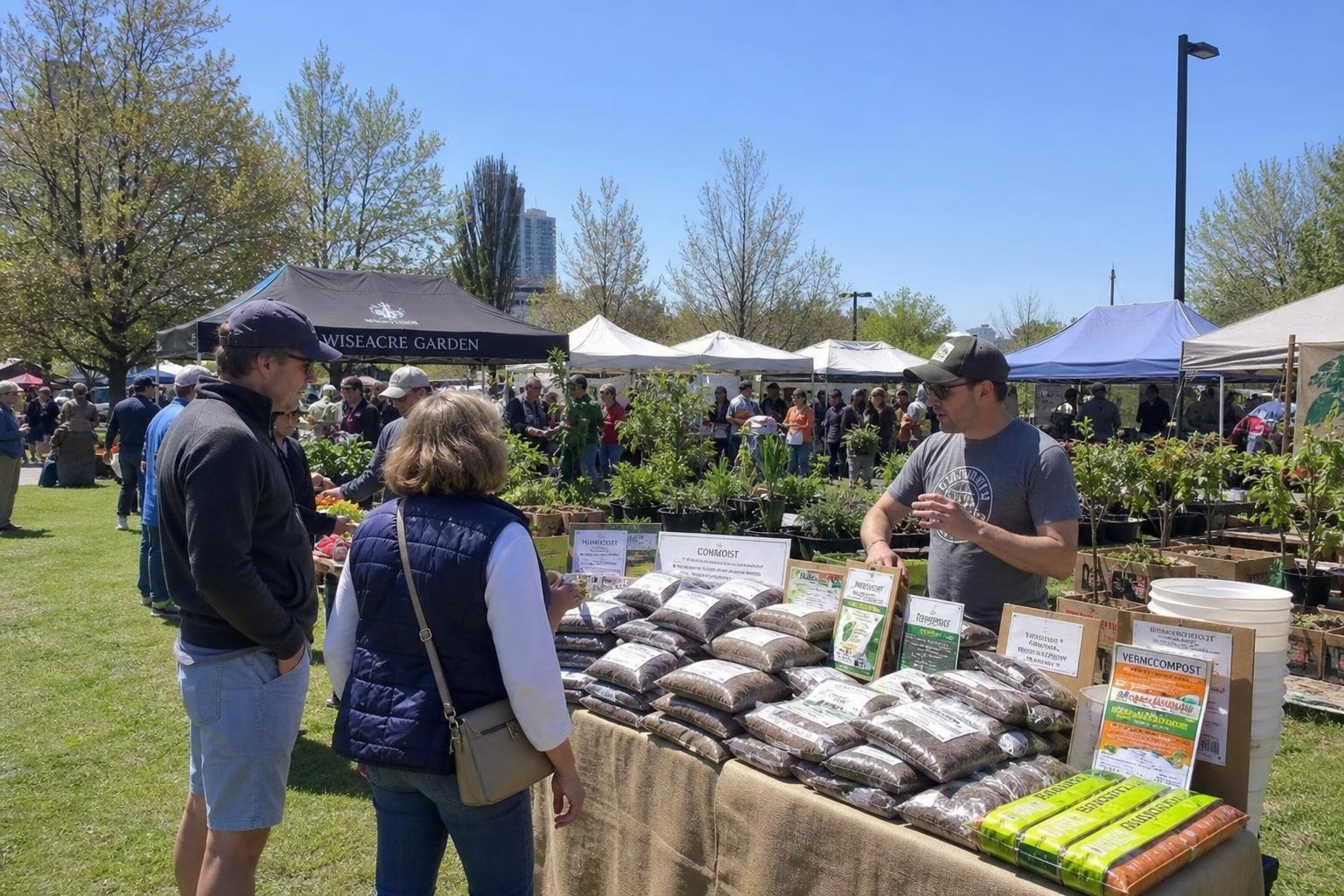
To navigate these global headwinds, many Delaware producers are looking closer to home. With the state's robust poultry industry, local organic resources like poultry litter are playing an increasingly vital role in regional soil fertility strategies, offering a practical buffer against unpredictable commercial markets.
Global Pressures and Commercial Market Risks
Global supply networks for key agricultural inputs remain highly sensitive to international friction. Recent conflicts in the Middle East and ongoing tensions in Eastern Europe have repeatedly threatened the flow of raw materials essential for fertilizer production. Because energy costs directly influence the manufacture of synthetic nitrogen and the transport of bulk phosphate and potash, any escalation in these regions can quickly trigger price spikes at local retail hubs.
While global production leaders like China continue to dominate output, Delaware growers must focus heavily on the final delivered cost of their inputs. Navigating these regional and international shifts requires a proactive approach, similar to how producers across the country are adjusting. For example, some regions have faced unexpected shifts, as seen in the California fertilizer market where summer price surges have forced growers to re-evaluate their long-term nutrient plans.
Leveraging Poultry Litter as a Sustainable Alternative
In Delaware, the proximity of extensive poultry operations offers a unique local advantage. According to research from the University of Delaware, maximizing the potential of poultry litter can serve as a highly effective way to supply essential crop nutrients while fostering sustainable production practices. When managed correctly, poultry litter provides nitrogen, phosphorus, and potassium, alongside valuable organic matter that improves soil structure and water retention in sandy coastal soils.
Integrating local poultry litter allows growers to reduce their reliance on volatile global supply chains. However, utilization requires careful management to prevent nutrient runoff and ensure compliance with state nutrient management plans. By analyzing the nutrient profile of local litter and applying it at agronomic rates, Delaware farmers can optimize their input dollars while protecting local watersheds.
Prioritizing Delivered Costs and Local Logistics
For Delaware agribusinesses and grain handlers, logistics and transportation remain the primary drivers of final input prices. Because Delaware relies on truck and rail corridors to bring in commercial synthetic fertilizers, regional freight rates can significantly impact the final price at the farm gate. This seasonal pressure highlights why prioritizing delivered costs is essential for planning nitrogen, phosphate, and potash needs before the next planting cycle.
To build resilience against sudden market shifts, local operators are encouraged to integrate diversified nutrient programs that combine synthetic starters with organic amendments. Aligning these decisions with broader regional trends can help growers secure better margins, especially when analyzing the overall Delaware agriculture market and its current trends.
What it means for the market
For Delaware farmers and crop input buyers, the current market underscores the importance of local resource integration and flexible purchasing strategies. While global geopolitical tensions are likely to maintain a baseline of volatility for commercial synthetic fertilizers, the strategic use of local poultry litter offers a practical, cost-effective alternative. Agribusinesses that balance synthetic precision with local organic nutrients will be best positioned to weather global price spikes and secure stable yields through the remainder of the summer season.
Comments
No comments yet - be the first to share your take.