
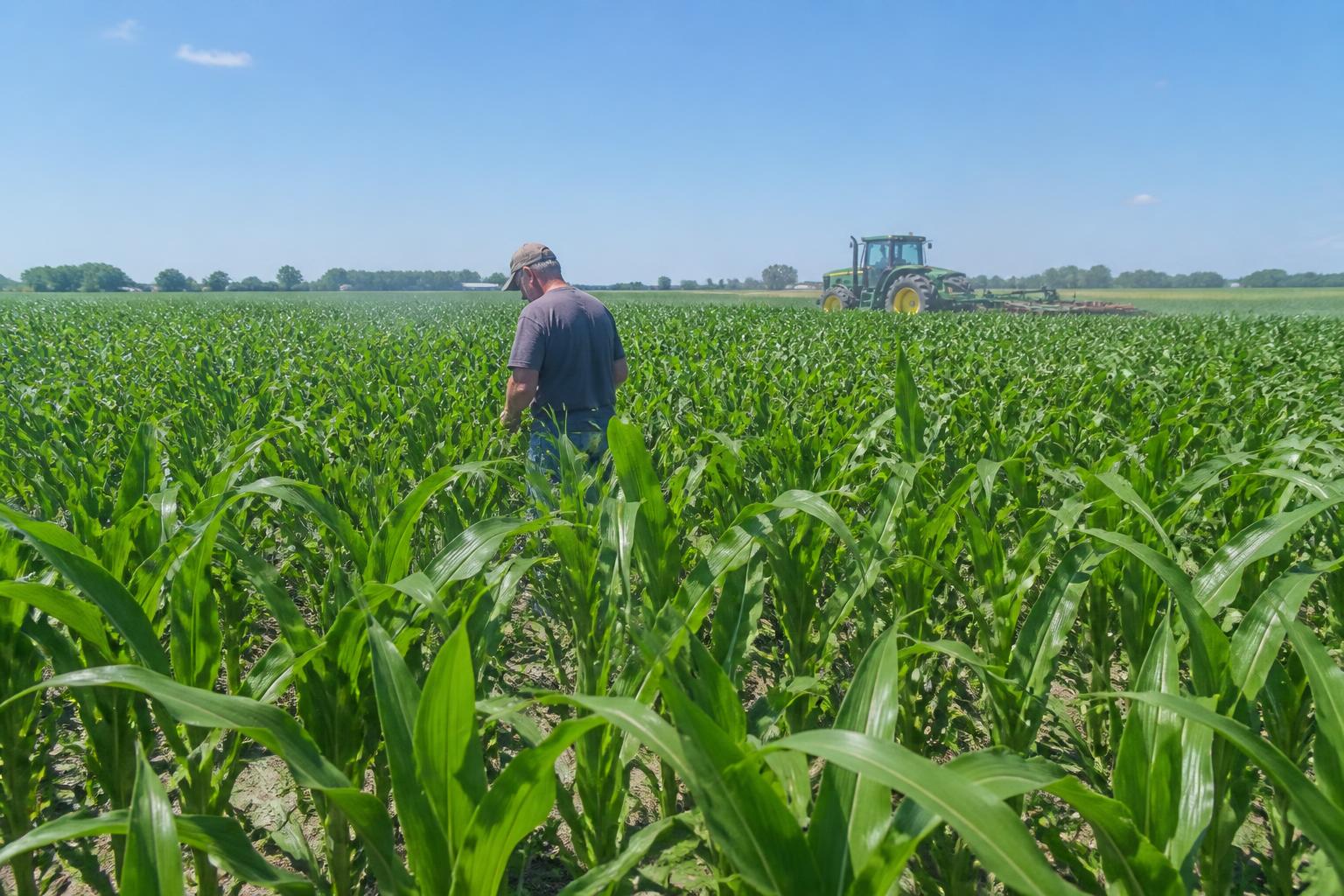
In the heart of Iowa, mid-summer field management is shifting toward both protecting current yields and planning for the long-term economic sustainability of the operation. While growers across the state manage disease pressure and heat stress in their corn and soybean stands, regional agribusinesses are closely tracking factors that influence future input costs and procurement reliability.
Agricultural advocacy groups are currently focusing on the economic impacts of trade policies, specifically calling for the removal of tariffs on Moroccan fertilizer. For many Iowa producers, these logistics and supply costs remain a significant variable in budget planning, as reliable access to inputs often dictates the viability of future crop cycles. Learning to balance these external trade pressures with local production shifts and long-term sustainable investment is a key challenge for modern farm businesses.
Managing Input Procurement and Logistics
The complexity of securing high-quality fertilizers and crop protection products continues to evolve. Recent industry discussions underscore that maintaining a competitive edge often requires farmers to look beyond immediate application needs and consider broader market fluctuations. By staying informed on trade developments and regional distribution hurdles, operators can better time their purchasing decisions to mitigate the risks of volatile market conditions.
The Role of Data and Market Insight
As the sector moves further into the high-tech era, the importance of data-driven decision making has become more apparent. Whether evaluating the efficacy of specific herbicide programs—an area that has seen significant scrutiny in recent years—or exploring how mid-summer logistics and supply chains impact local elevators and transport networks, access to reliable market intelligence is a vital asset. Keeping track of how global fertilizer supply flows affect local prices helps Iowa agribusinesses navigate the seasonal crunch without sacrificing margins.
What it means for the market
For the average Iowa operation, the current environment demands a proactive approach to procurement. Farmers who monitor tariff-related news and regional input availability are better positioned to insulate their bottom line from unexpected supply shocks. As we move deeper into the summer, maintaining strong relationships with local suppliers and keeping a close eye on logistics trends will be essential for stabilizing input costs ahead of the next planting season.
Comments
No comments yet - be the first to share your take.