
Iowa farmers continue to navigate a complex mid-summer landscape, where localized field pressures and broader economic headwinds remain top of mind. While crop conditions across the state have faced variability due to recent weather patterns, including periods of excessive moisture and heat, the core focus for many producers remains on optimizing yield potential and managing operational costs. For those closely monitoring the pulse of the sector, understanding these dynamics is essential for informed decision-making throughout the remainder of the growing season.
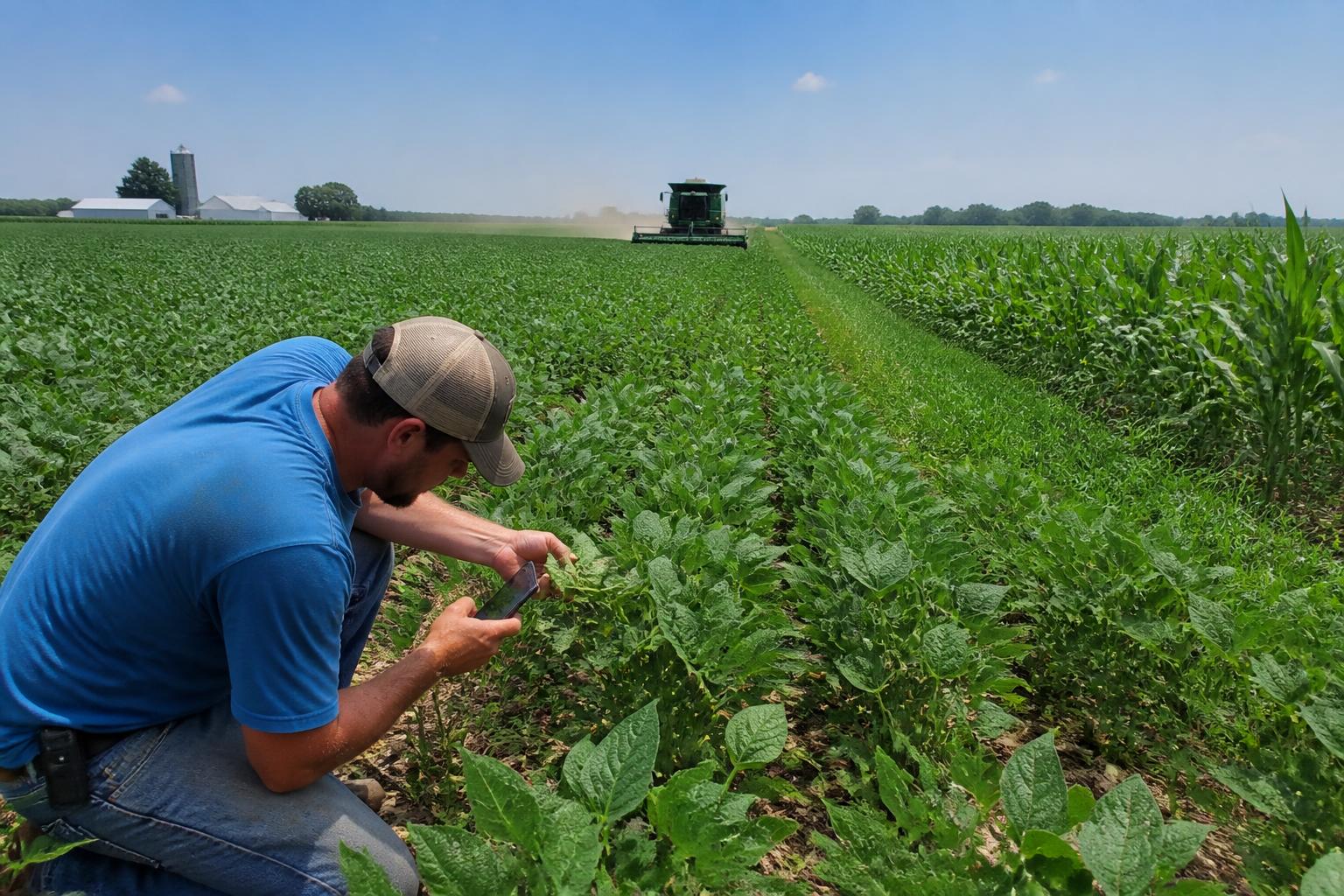
As we move deeper into the summer, the integration of new technologies is playing an increasingly vital role in day-to-day operations. Recent collaborative initiatives, such as the development of farmer-friendly pest identification tools, demonstrate a growing emphasis on precision and efficiency. These resources can be instrumental when assessing field-level crop health and protection needs, providing producers with faster insights to address potential threats before they escalate.
Sustainable Investment and Market Confidence
Beyond the field, the conversation surrounding Iowa agriculture is increasingly focused on the intersection of sustainability and profitability. Major investments in regenerative agriculture are beginning to influence regional supply chain expectations, offering potential avenues for long-term economic stability. For grain handlers and agribusinesses, these shifts suggest a need to align logistics and procurement strategies with changing environmental and market standards.
Furthermore, the broader economic environment remains a critical factor for producers managing basis pressure and economic headwinds. As the market looks toward harvest, maintaining regional confidence in grain movement and storage capacity is paramount. Producers are often looking for clear signals on demand, particularly as debates regarding energy policy and biofuels continue to influence local sentiment.
Strategic Planning for Late-Season Success
As growers refine their management practices, attention is also turning toward the logistics of the upcoming harvest season. In many parts of the state, ensuring that storage and transportation infrastructure is primed for the autumn surge is a standard part of the annual routine. Staying current on mid-summer freight and logistics updates can help operators anticipate potential bottlenecks and optimize their supply chains ahead of the peak activity months.
What it means for the market: The current landscape in Iowa requires a dual focus on immediate operational agility and long-term adaptation. While short-term weather impacts and market volatility persist, the combination of advanced diagnostic tools and a structural push toward sustainable production practices offers a roadmap for resilience. Agribusinesses that lean into these efficiencies and keep a close watch on regional logistical trends will be better positioned to navigate the remainder of the season and prepare for a productive harvest.
Comments
No comments yet - be the first to share your take.