
Crop Development and Logistics Pace
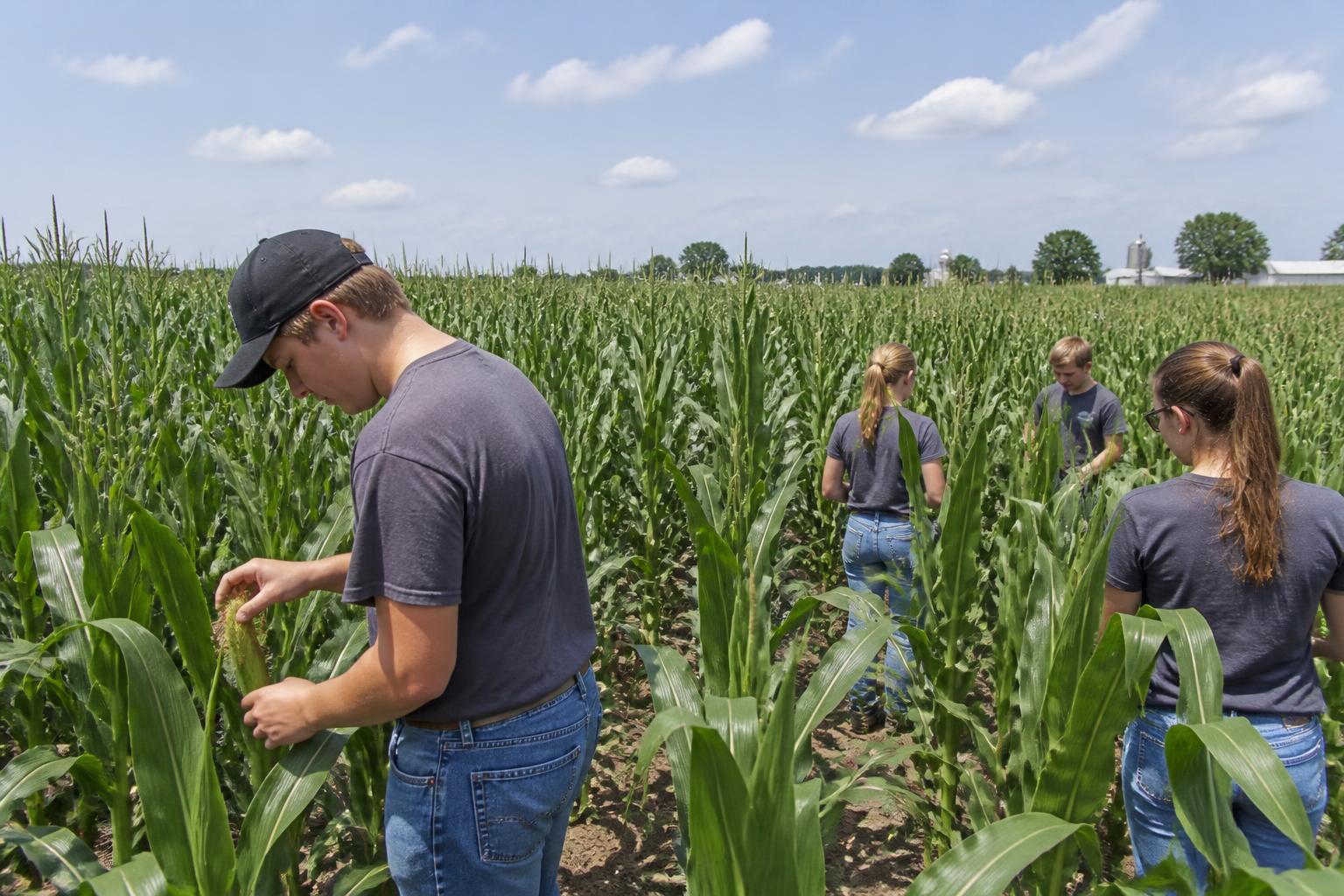
With corn development advancing, field activities across Iowa are entering a crucial window. Recent reports indicate that 69% of the state corn crop has reached the silking stage, while approximately 7% has progressed into the dough stage. For local producers and grain handlers, this transition marks the beginning of the late-summer rush, where logistics networks typically prepare for the upcoming harvest influx.
As these crops mature, maintaining fluid transport routes remains vital. Producers managing Iowa crop conditions amidst mid-summer heat should keep a close eye on transport capacity, especially as demand for specialized trailers and rail freight begins to align with regional harvest estimates. Efficient movement of grain during the peak season often depends on these early-stage infrastructure readiness checks.
Expanding Ag-Logistics and Input Access
Infrastructure development in regions like Cedar Rapids continues to signal a long-term focus on improving ag-logistics. New developments on the horizon for logistics parks are expected to streamline how inputs and outputs move through the state, potentially reducing bottlenecks for shippers in the coming seasons. These enhancements are timely, as the industry continues to navigate grain market basis pressure and economic headwinds that influence how farmers manage their storage and marketing logistics.
Simultaneously, the recent opening of new fertilizer production facilities provides a potential boost to the state supply chain. By localizing the production of essential inputs, these plants are aiming to offer a more stable supply for Iowa farmers, mitigating some of the supply volatility that can complicate input procurement during high-demand windows.
Education and the Future of Iowa Ag
The commitment to the industry remains strong at the local level, highlighted by the recent chartering of new FFA chapters. Engaging the next generation of agricultural leaders is essential for maintaining the expertise needed to manage complex logistics and production systems throughout Iowa, ensuring that the state remains a hub for agricultural efficiency.
What it means for the market
For Iowa agribusinesses, the combination of advanced crop stages and new infrastructure investment suggests a period of transition in regional logistics. Shippers should monitor upcoming facility developments as they may impact local capacity, while producers should focus on leveraging localized input supplies to optimize their operating costs as they approach the harvest season.
Comments
No comments yet - be the first to share your take.