
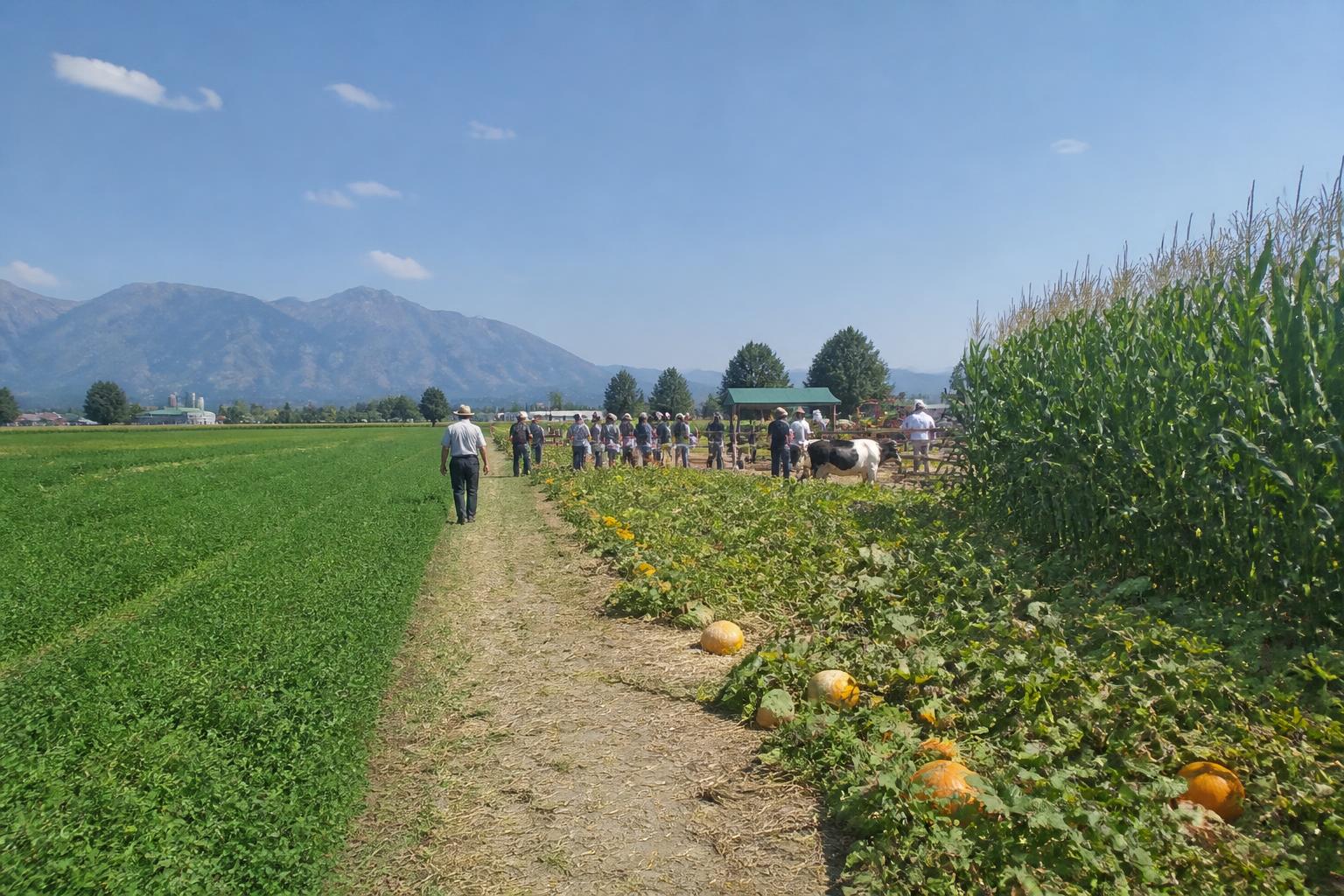
Utah farmers are contending with a complex market environment this summer, marked by persistent water availability challenges and the ongoing pressures of land development. As the state balances the needs of iconic agricultural regions with growing urban footprints, producers are increasingly evaluating their operational focus, particularly regarding water-intensive crops.
The current landscape has pushed many in the industry to reconsider traditional crop rotations and irrigation practices. In some instances, the push for greater water conservation has led to shifts in production strategies, particularly for those historically reliant on alfalfa cultivation. These adjustments are not merely operational; they reflect a broader trend of adapting to environmental volatility that has impacted growers throughout the state in recent seasons.
Land Use and Preservation
In counties facing rapid development, the competition for agricultural land remains a significant concern. The encroachment of urban infrastructure often leads to fragmented acreage, which can complicate logistics for local producers and grain handlers. Strategies to maintain agricultural viability, such as exploring water-efficient crop alternatives, have become central to long-term planning for many family-run operations.
Adapting to Environmental Shifts
Producers are reporting that weather-related uncertainty continues to influence their decision-making processes, from input procurement to harvest timing. With recent observations suggesting that extreme conditions can lead to sudden shifts in crop health, the emphasis on soil health and adaptive pest management is growing. Farmers are encouraged to keep a close watch on regional moisture reports, as these factors directly dictate the operational flexibility available throughout the remainder of the growing season.
Key Takeaways
- Water conservation remains the primary driver of structural changes in crop selection.
- Urban expansion in key regions is requiring more robust strategies to protect long-term land availability.
- Operational agility—specifically in irrigation and moisture management—is essential as producers face unpredictable weather patterns.
What it means for the market: The regional market for agricultural commodities in Utah is undergoing a period of recalibration. Growers who invest in water-efficient practices and diversify their land management may be better positioned to handle the dual pressures of environmental constraints and regional economic growth. For agribusinesses and suppliers, this suggests a growing demand for technology and consulting services that emphasize resource efficiency over traditional production methods.
Comments
No comments yet - be the first to share your take.