
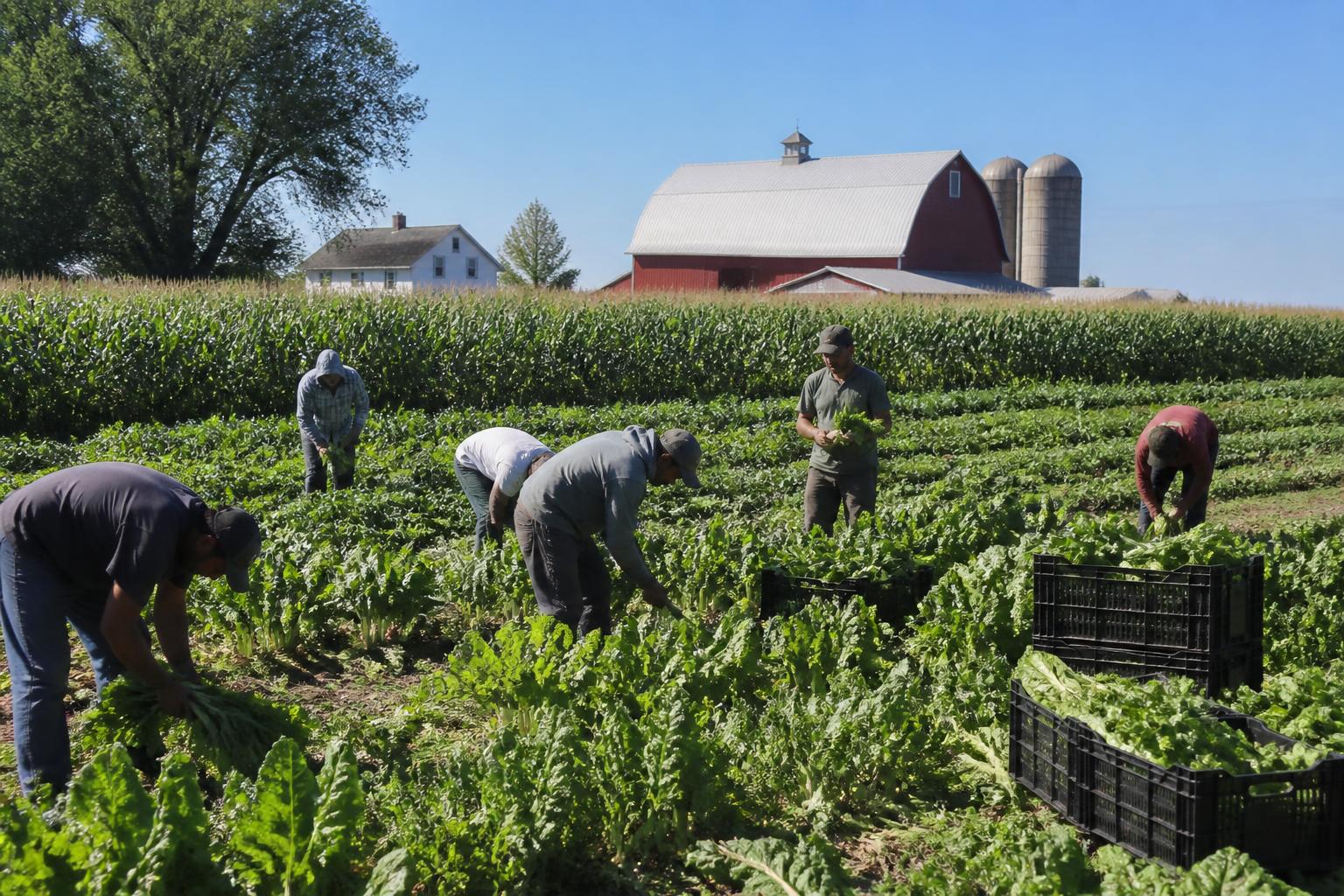
Mid-summer in West Virginia often brings a unique set of challenges and opportunities for the state's grain handlers and producers. With the peak of the growing season underway, attention remains fixed on navigating the local supply chain while monitoring broader federal legislative developments that could influence long-term production and risk management strategies. As we look at current logistical pressures and market uncertainties, producers are increasingly tasked with balancing field-level productivity with the realities of regional transport networks.
Adapting to a Shifting Landscape
Recent shifts in USDA growing zones across large parts of West Virginia are prompting long-term considerations for crop variety selection and planting cycles. These environmental changes, while gradual, encourage farmers to reassess which grains may be best suited for specific local conditions. For those involved in grain handling, the ability to adapt to these regional shifts is becoming a critical component of maintaining operational resilience in an evolving climate.
Infrastructure and Logistical Constraints
Efficient movement of goods remains a priority, particularly as state-level road improvement projects continue to move forward. In regions where transport risks and pest management require close oversight, the integration of upgraded transit corridors is vital. Maintaining reliable access to storage and processing facilities is essential for producers who need to navigate narrow harvest windows and potential weight restrictions on rural secondary roads throughout the state.
What it means for the market
The current market environment suggests that West Virginia agribusinesses should prioritize flexibility in their storage and logistics planning. While national policy discussions continue, the most immediate impact for local stakeholders remains the ability to manage localized transit bottlenecks and account for the evolving climate realities of the state. Establishing proactive relationships with regional transporters and grain buyers will remain the best defense against unforeseen seasonal volatility.
Comments
No comments yet - be the first to share your take.