
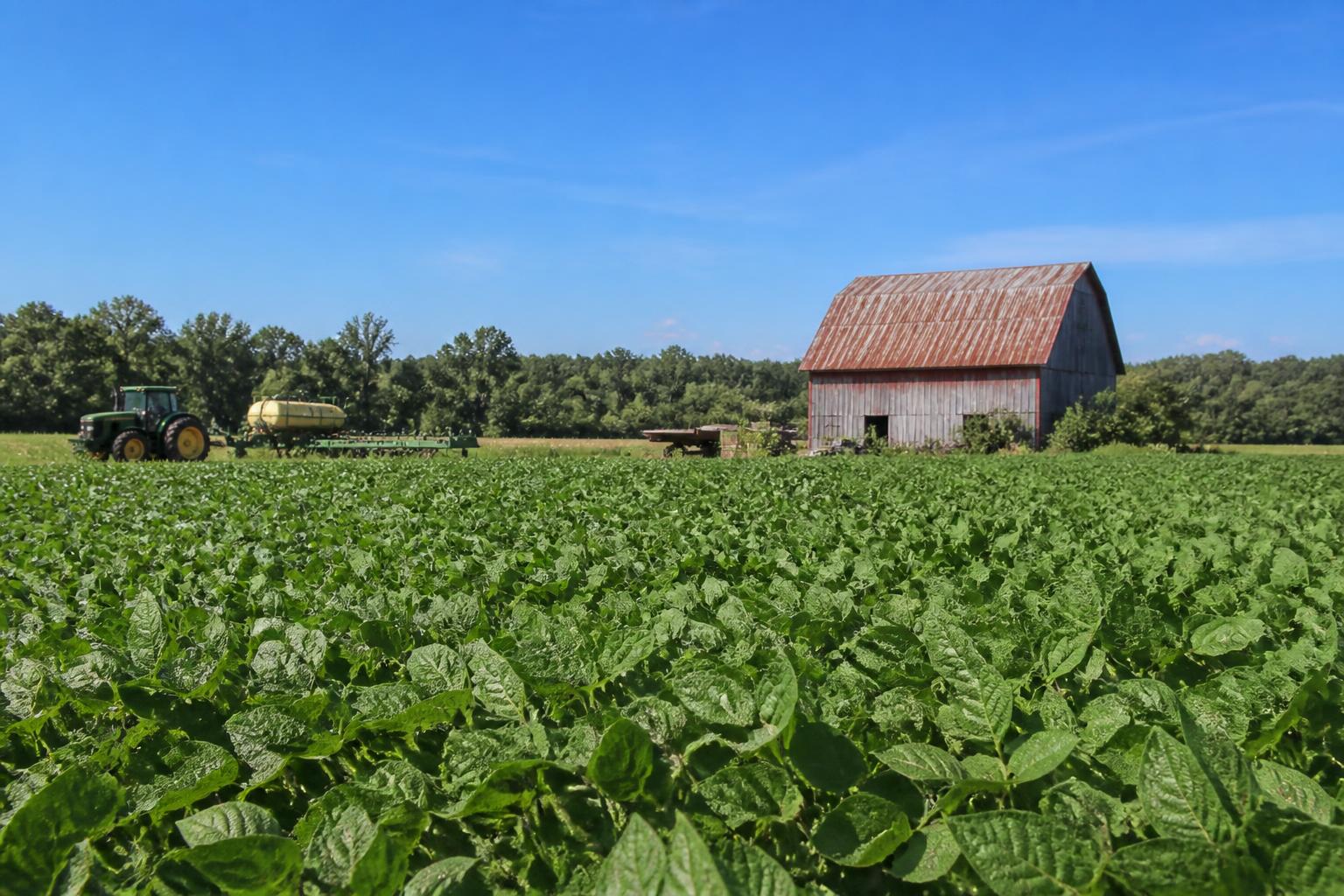
As the Tennessee growing season progresses, producers are evaluating the performance of early planted soybean crops. Early reports indicate that these fields are showing promising signs of development, despite the challenges that often accompany mid-summer conditions in the Volunteer State. Managing moisture levels and pest pressure remains a top priority for growers looking to maximize yield potential before the fall harvest windows arrive.
Navigating Land Use and Policy Shifts
The agricultural landscape in Tennessee is undergoing significant administrative updates. Recent leadership changes within the Tennessee Department of Agriculture, including the appointment of new commissioners and deputies, underscore a broader push toward organizational stability. Furthermore, national-level policy shifts regarding the use of prime farmland for solar and wind energy projects are being closely watched. By restricting federal taxpayer support for energy infrastructure on high-quality agricultural soil, officials aim to preserve the state's productive capacity for food and fiber production.
Modernizing Tennessee Agriculture
Technological advancement continues to define the state's rural economy. Research initiatives, such as those leveraging AI to improve cattle disease detection, are helping producers mitigate losses and enhance herd health. These efforts are often supported by state budget allocations that balance historical agricultural roots with the need for modern innovation. For those navigating the complexities of global market shifts, these state-backed R&D investments provide a crucial foundation for long-term viability.
Infrastructure and Seasonal Logistics
Logistics remains a cornerstone of the Tennessee agricultural strategy. As operators prepare for the upcoming harvest, maintaining efficient grain storage and marketing channels is vital for protecting margins. Ongoing developments in transit and marketing oversight at the federal level may also influence how commodities are moved from the field to regional hubs. Producers should remain vigilant regarding local highway use and transportation bottlenecks, which can sometimes tighten during peak seasonal activity.
What it means for the market
For Tennessee agribusinesses, the current focus is on maintaining crop health while adapting to evolving land-use regulations. With early-planted soybeans showing resilience, growers may be well-positioned for the fall cycle, provided that logistics and storage chains remain fluid. As the industry adapts to new administrative leadership and technology, staying connected to mid-summer supply chain updates will be essential for maintaining a competitive edge in the local market.
Comments
No comments yet - be the first to share your take.