
Managing Harvest Quality and Aflatoxin Risks
With the Kentucky harvest outlook shifting into full gear, producers are keeping a close eye on grain quality. Recent administrative adjustments have provided much-needed flexibility, with the state securing a waiver allowing for the blending of corn impacted by aflatoxin. This is a critical development for grain handlers and farmers working through localized contamination issues, as it helps maintain marketability for yields that might otherwise be significantly discounted or rejected at the elevator. Localized moisture levels and heat stress during the growing season often contribute to these conditions, making careful storage and testing protocols essential as bins begin to fill.
Input Cost Pressures and Supply Chain Realities
Beyond the field, the bottom line is being pressured by external economic factors. Fertilizer prices continue to show volatility, influenced by global conflicts that disrupt supply chains. For Kentucky growers, these input costs are forcing a more disciplined approach to nutrient management and procurement strategies. Navigating these price spikes is a major concern for those planning their winter input purchases, as even small fluctuations in international energy and chemical markets often ripple down to local cooperative pricing in regions like the Bluegrass and the Purchase Area.
Diversification and Industry Stability
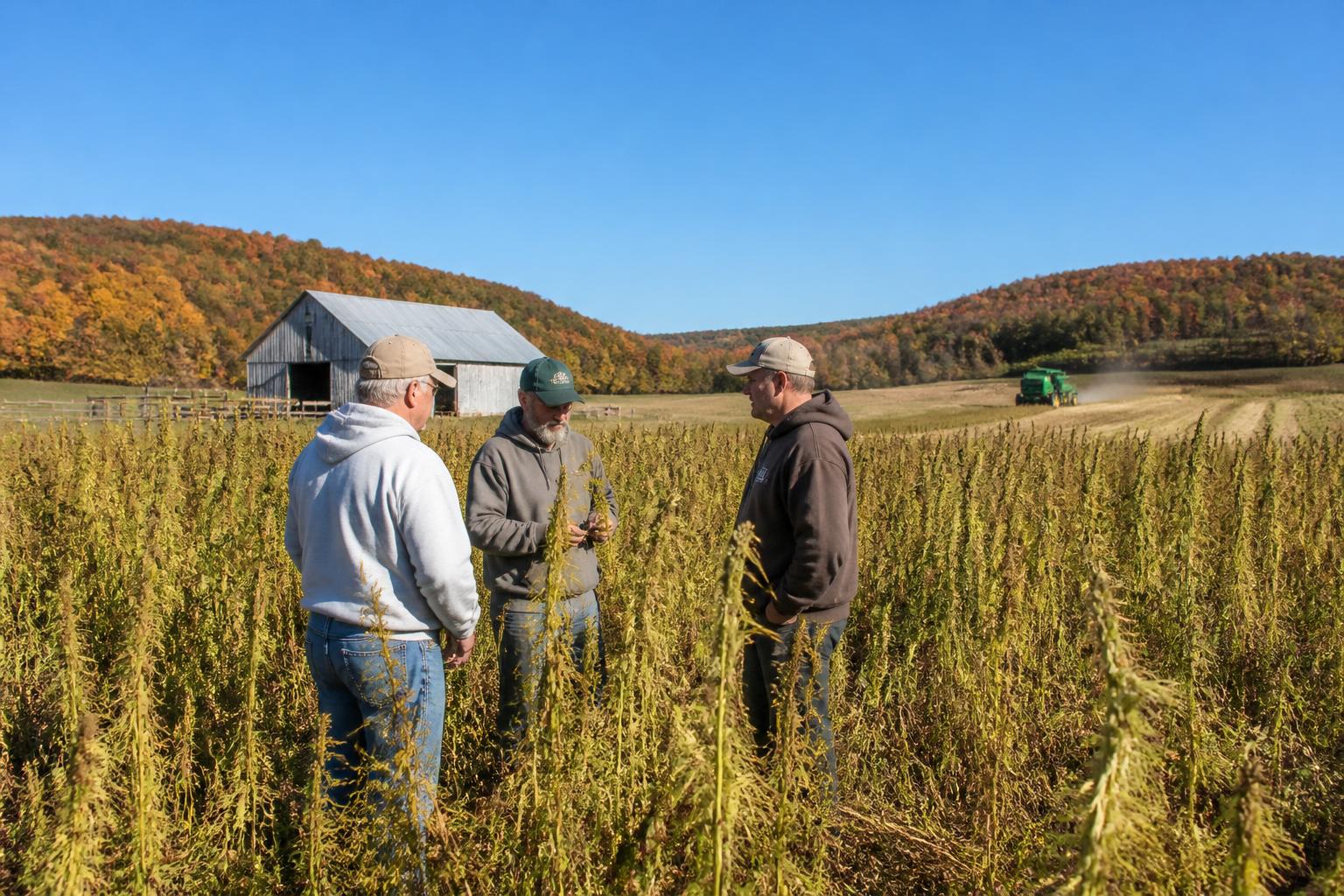
While corn and soybean markets remain the primary focus, there is persistent interest in crop diversification, particularly regarding hemp. However, many producers emphasize that for hemp to transition from an experimental venture to a reliable profit center, it requires a more consistent legislative framework. Market uncertainty has slowed wider adoption, yet the potential for high-value production remains on the radar for farmers looking to hedge against the fluctuations of traditional commodity cycles. As we assess the current state of logistics, aligning these diverse production goals with stable transport and storage infrastructure remains a top priority.
What it means for the market
For the Kentucky agribusiness community, this October is characterized by a balancing act. The combination of harvest-time flexibility via the aflatoxin waiver and the broader pressure from international fertilizer markets means that attention to detail in grain handling and financial planning is paramount. Producers and elevators should continue to monitor local storage capacities and maintain open lines of communication regarding input procurement to mitigate the impact of ongoing global supply chain instability.
Comments
No comments yet - be the first to share your take.