
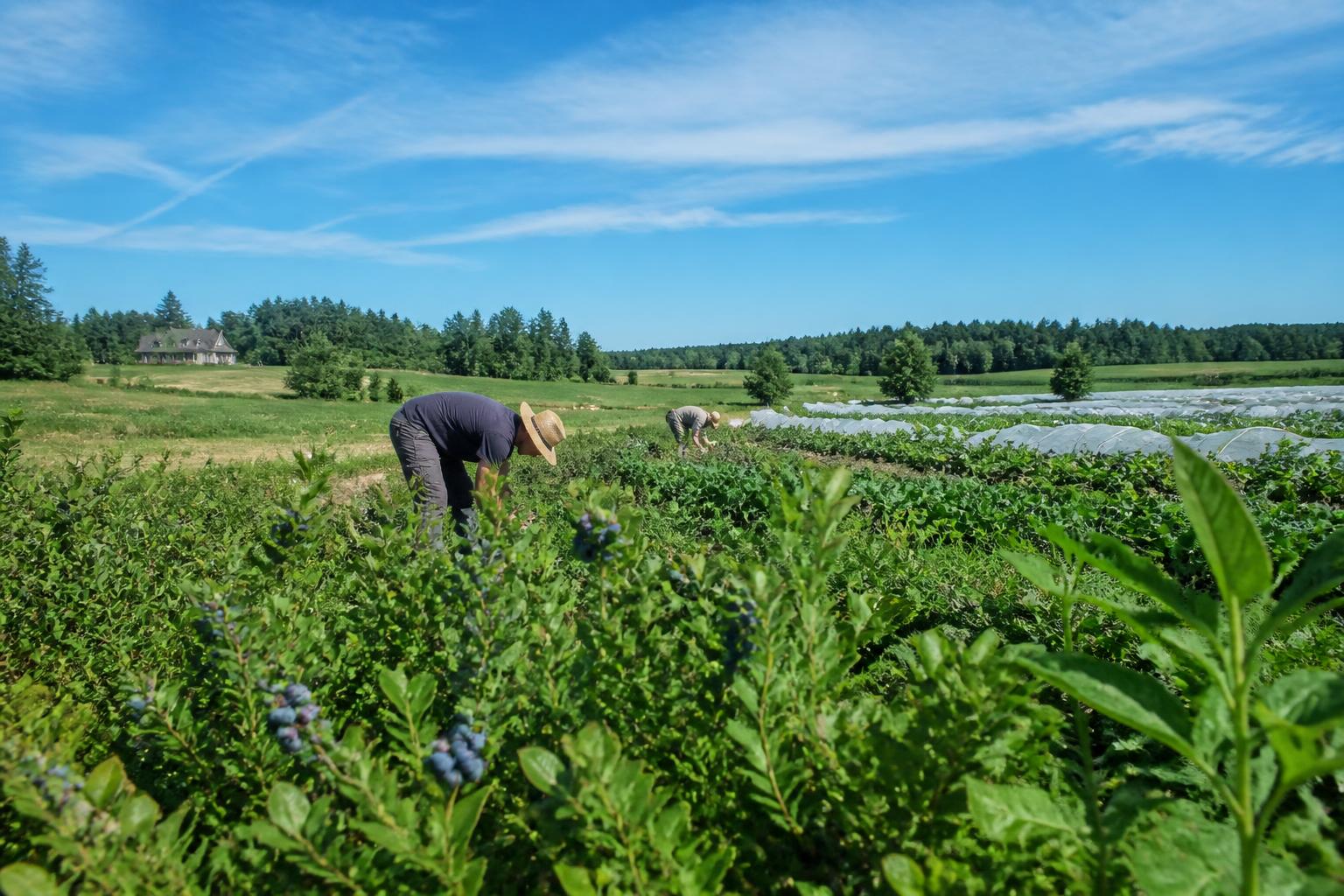
Maine's agricultural sector remains in a period of significant adjustment this summer, as producers grapple with the intersection of environmental stewardship and the pragmatic demands of a challenging retail market. While recent infusions of capital into healthy soil initiatives are helping some operations build long-term resilience, the industry continues to face localized obstacles that test the durability of family-run enterprises.
For many, maintaining stable operations is increasingly complex. Producers are navigating a landscape where environmental resilience efforts are essential to mitigating the impact of shifting weather patterns. However, these proactive measures often run parallel to the persistent logistical and regulatory hurdles that define modern farming in the state.
Targeted Support for Soil and Recovery
Recent funding initiatives aimed at soil health are providing a necessary boost to operations looking to improve land productivity. These programs are often designed to help farmers adopt better management practices, which can be critical for maintaining soil viability over time. For many, these resources offer a path to stabilize yields, though such improvements typically require sustained, multi-year commitments from land managers.
Simultaneously, the agricultural community continues to monitor the ongoing regulatory and operational landscape. Addressing soil-based contaminants remains a high priority, with legislative efforts aimed at providing relief to farms directly affected by legacy chemical issues. These measures are viewed by many as vital components of a broader strategy to ensure the long-term viability of Maine's diverse crop production, from small-scale family plots to larger commercial ventures.
Market Pressures and Sector Diversification
Beyond soil health, producers are feeling the pinch of rising input costs and a tightening retail environment. Businesses that rely on steady consumer demand are finding that flexibility is key to survival. Whether it is shifting product focus to specialty goods like wild blueberry-based value-added products or adapting to the specific demands of the local retail sector, producers are constantly looking for ways to capture better margins in an economy where overhead costs show little sign of softening.
What it means for the market
The Maine market is currently bifurcated between those investing in long-term infrastructure and those managing immediate liquidity pressures. For suppliers and agribusinesses, this suggests a landscape where service providers who offer cost-effective, productivity-enhancing solutions—particularly those related to soil remediation and resilient crop management—will likely remain in demand. Producers should continue to look toward both state-backed recovery programs and diversified revenue streams to insulate their operations against current market volatility.
Comments
No comments yet - be the first to share your take.