
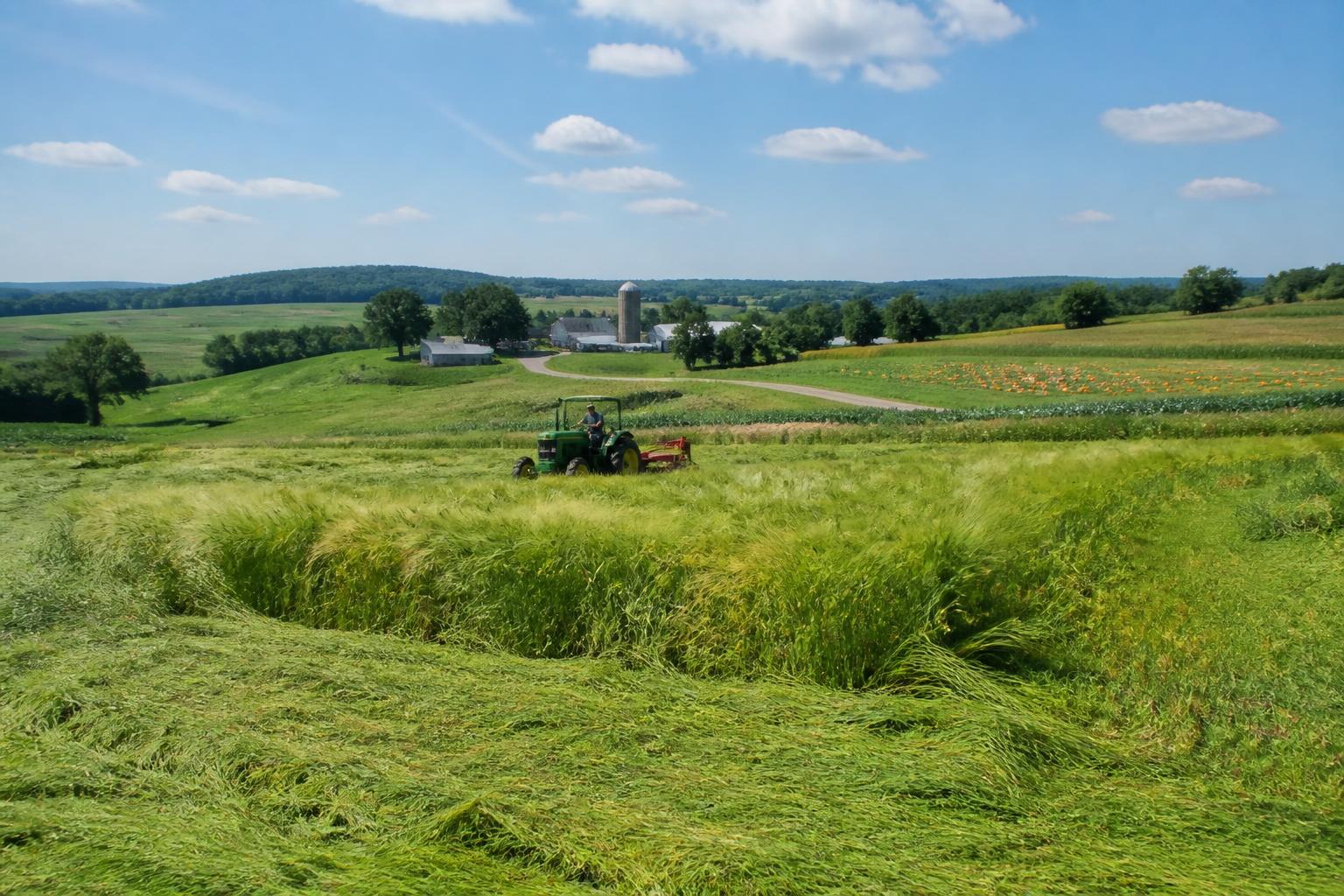
As the summer growing season progresses in Pennsylvania, the focus across the Commonwealth has increasingly shifted toward long-term land preservation and the mitigation of emerging threats to crop and livestock health. Ensuring the structural integrity of the state’s agricultural footprint remains a priority for producers, particularly as climate-related stressors and input cost fluctuations continue to influence daily operations.
State-level initiatives are currently emphasizing the protection of productive acreage, with recent efforts resulting in the preservation of farmland in counties like Franklin. Such measures are vital for maintaining the viability of local operations amidst increasing economic pressure. Beyond land security, biosecurity remains a top-of-mind issue; the Shapiro administration has moved to address concerns regarding the New World Screwworm to safeguard regional livestock health.
Infrastructure and Resource Management
For agribusinesses and logistics providers, maintaining a stable supply chain is closely tied to state investments and private sector acquisitions. Recent efforts, including grants and loans aimed at supporting major employers like Plainville Farms, highlight the state's intent to keep regional processing capacity stable. For those managing operations in Pennsylvania, navigating these agricultural protection strategies is essential for long-term planning.
Simultaneously, the integration of new technology continues to offer potential for efficiency. Projects focusing on grain processing are underway, aiming to modernize how the state handles its harvest volumes. These advancements, when paired with ongoing discussions regarding freight pressures in Pennsylvania agriculture, illustrate a complex but evolving landscape for those moving product from farm to market.
Looking Ahead
As growers evaluate their options, including the logistical pressures of the current season, the interplay between state policy and private investment will be a defining factor in regional success. Producers and supply chain participants should remain vigilant regarding regulatory shifts and grant opportunities that can help buffer against broader market instability.
What it means for the market: Producers and agribusinesses in Pennsylvania should prioritize partnerships that leverage state-backed preservation and biosecurity programs. As the industry faces ongoing climate and logistics volatility, aligning operations with established regional support networks will be critical for maintaining competitive margins through the remainder of the year.
Comments
No comments yet - be the first to share your take.