
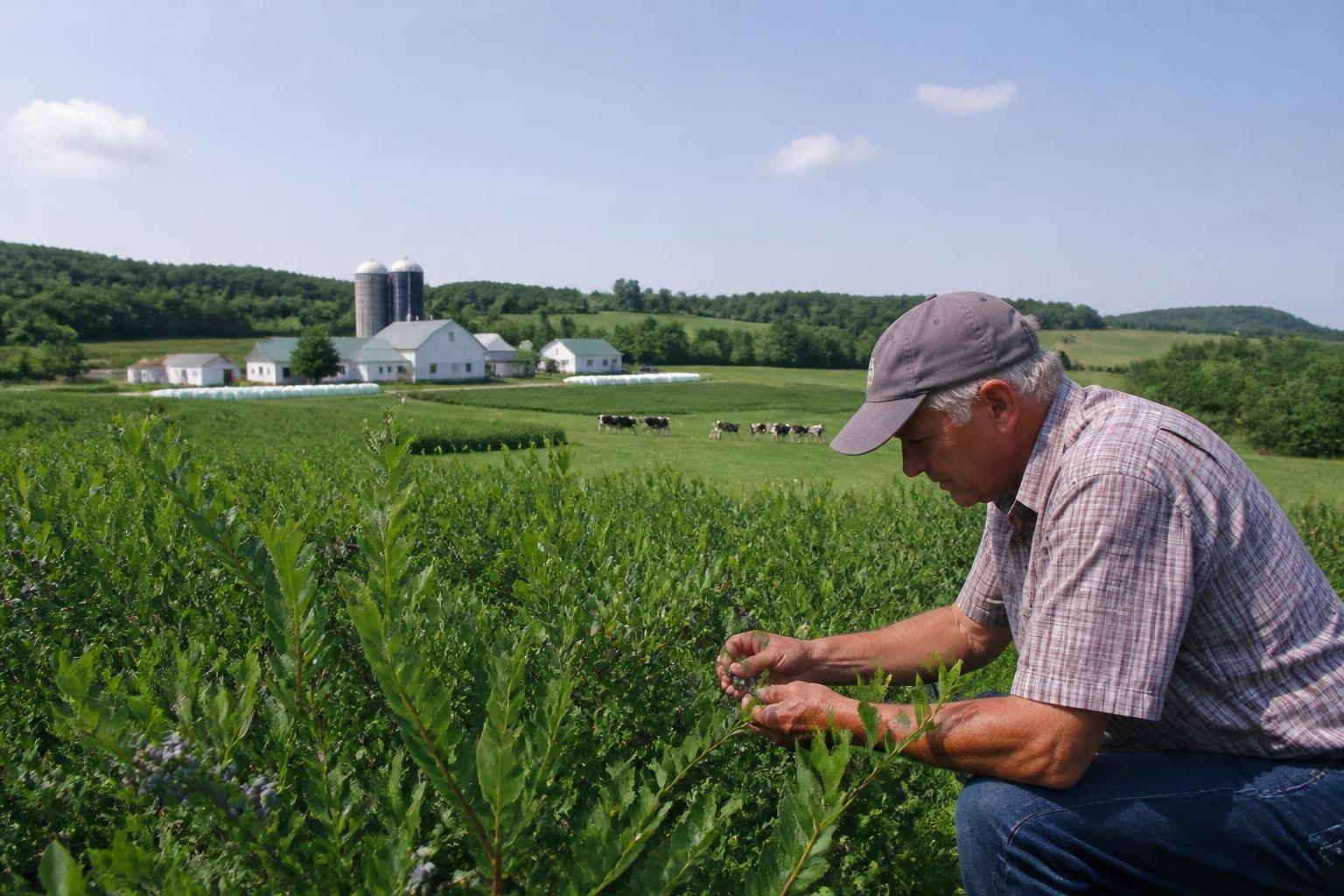
Maine's agricultural community continues to navigate a diverse and often challenging operational environment this summer. From the specialized production of wild blueberries to the broader concerns surrounding land use and resource management, producers across the state are focusing on strategies to maintain viability. Whether operating in the coastal corridors or the more interior farming regions, the ability to adapt to shifting market pressures remains a key theme for many agribusinesses.
Building Resilience Through Soil Health
Recent funding initiatives have provided a boost for growers looking to strengthen their operations. The Maine Healthy Soils Program has awarded significant financial support, aimed at helping farmers implement practices that improve long-term resilience. For many, these investments are seen as a necessary step in protecting against unpredictable weather patterns and maintaining the productivity of their acreage. These programs are often designed to assist with cover cropping and soil monitoring, which can be critical for farms striving for consistency in a demanding climate.
Navigating Long-Term Operational Hurdles
Beyond seasonal management, the industry is managing broader structural challenges. Concerns related to chemical contamination have led to increased scrutiny, prompting legislative efforts to support those impacted by site-specific environmental issues. As noted in recent discussions on Maine agriculture’s production shifts, the intersection of regulation and day-to-day farm management is becoming increasingly complex. Additionally, labor and operational costs continue to influence the bottom line for many producers, forcing a re-evaluation of market strategies for high-value goods.
Strategic Shifts in Local Production
Diversification has emerged as a potential pathway for sustainability. While traditional staples remain vital, some sectors are looking toward value-added products—such as wild blueberry wine—to improve profit margins. These efforts, combined with ongoing initiatives regarding land protection and regional growth, underscore a concerted effort to preserve the character of Maine's agricultural economy while meeting modern retail and consumer demands.
What it means for the market: For Maine farmers and grain handlers, the current landscape necessitates a dual focus: leveraging available state-level support for operational resilience while staying closely aligned with evolving regulatory standards. Producers who successfully integrate soil health investments and explore diversified product channels may find themselves better positioned to weather the fluctuations currently impacting the broader regional market.
Comments
No comments yet - be the first to share your take.