
Arizona producers are currently navigating a shifting landscape as mid-summer operations face unique pressures from both biological threats and the evolving availability of essential crop inputs. For many growers, maintaining field productivity requires constant adaptation to localized environmental stressors and the ongoing struggle against resistant pest populations that continue to impact regional profitability.
Recent reports highlight significant concerns regarding the discovery of new, dangerous pests originating from across the southern border. The potential for these infestations to spread through major agricultural corridors poses a direct risk to crop health, forcing farm managers to reconsider their integrated pest management plans. Simultaneously, researchers are raising alarms over the efficacy of current biotech defenses in corn, as emerging pest resistance threatens the utility of established high-tech solutions. This ongoing resilience and resource management in the heat remains a primary concern for growers across the state.
Input Availability and Regulatory Shifts
The market for crop protection remains volatile, with availability for certain chemicals under increased scrutiny heading into future cycles. While growers often look to broaden their toolkits with newly labeled products—such as recent fungicide approvals for Arizona and California—the regulatory environment remains fluid. Keeping pace with these updates is vital for maintaining the regulatory and resource landscape, especially as regional operations face pressure to balance output with tightening water realities.
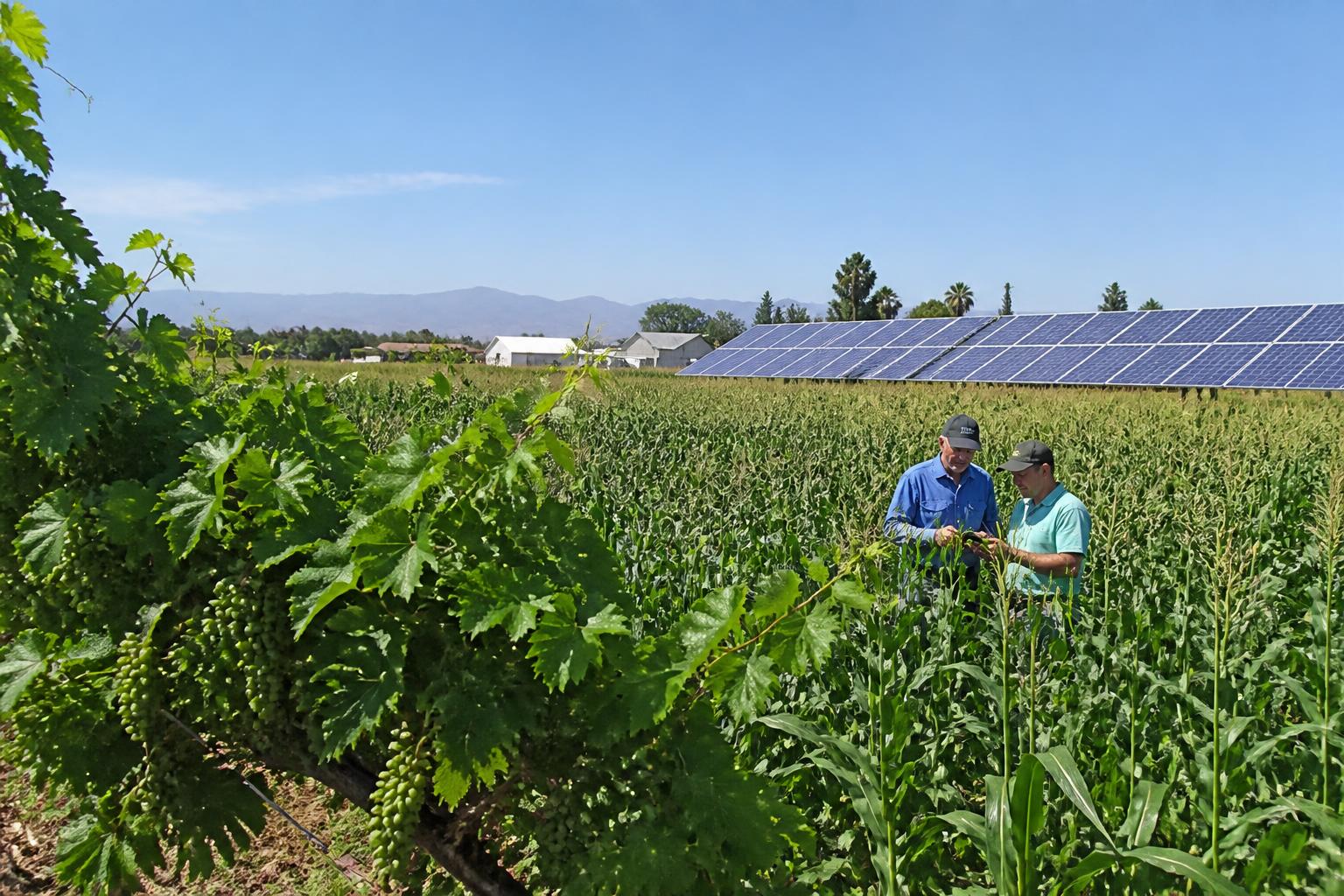
Beyond traditional chemical applications, there is an increasing focus on innovative infrastructure to support farmworker safety and crop longevity. The integration of solar panels over cultivated fields is being explored not only for energy generation but also as a means to improve micro-climates for workers and potentially reduce water evaporation rates.
Water and Resource Management
Resource management remains the cornerstone of Arizona's agricultural viability. Whether it is navigating late-summer logistics and water constraints or evaluating the water usage of diverse ventures like inland fish farming, stakeholders are increasingly focused on long-term efficiency. Collaborative efforts, including new partnerships between Yuma-based firms to market advanced irrigation technology, highlight the industry's push toward precise, sustainable water delivery systems.
What it means for the market
For growers and agribusinesses, the current climate demands a proactive approach to procurement and scouting. As pest resistance undermines some traditional biotech defenses, the shift toward a more varied protection strategy is likely to continue. Markets will favor producers who can effectively manage high-input costs while leveraging new, water-efficient technologies to stay competitive in an increasingly demanding environment.
Comments
No comments yet - be the first to share your take.