
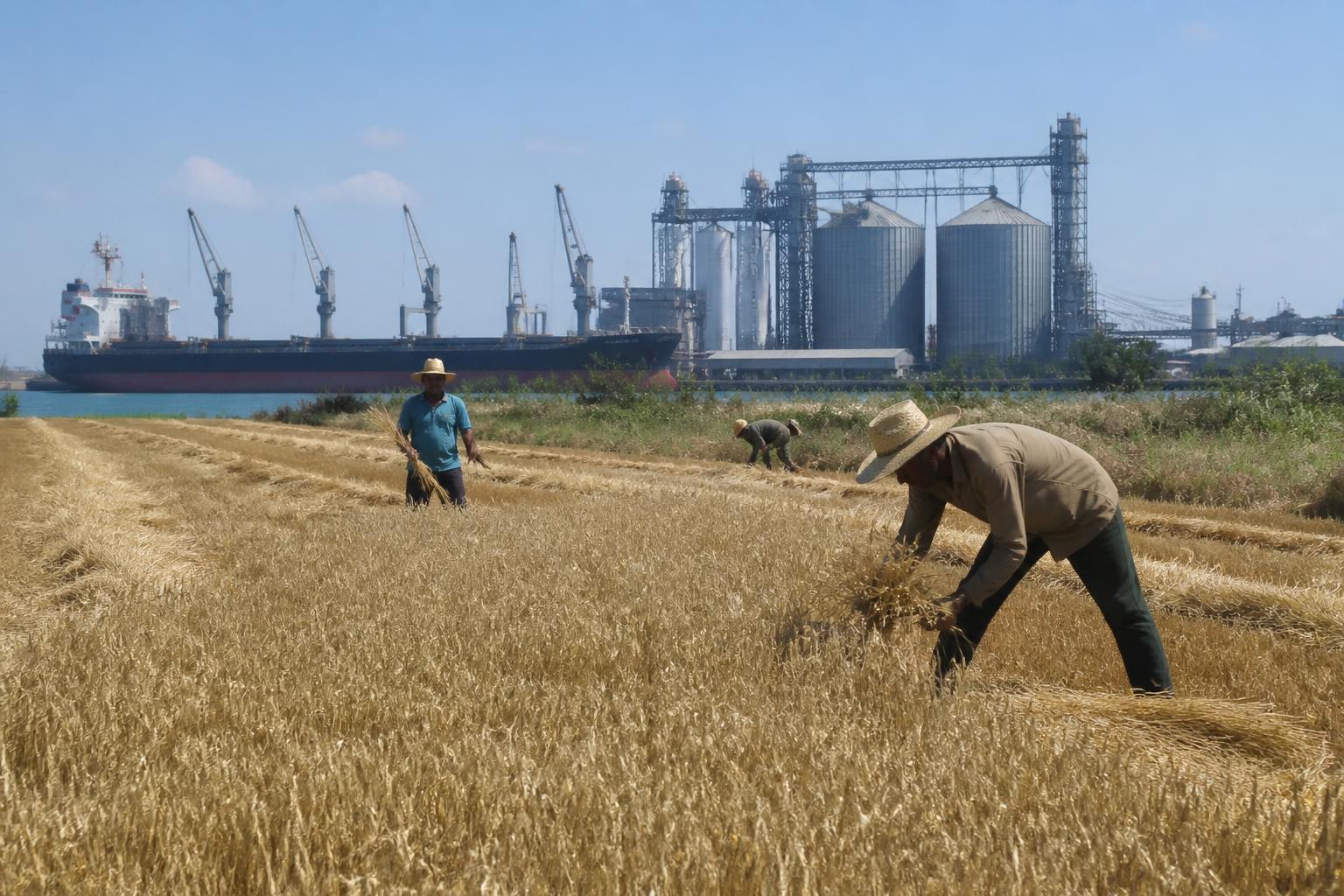
As the summer growing season reaches its peak in Utah, local producers continue to contend with a global grain market characterized by unpredictable pricing and supply chain shifts. For many growers across regions like the Uinta Basin and the northern valleys, managing on-farm storage and logistics has become increasingly vital as they evaluate their options for the upcoming harvest cycle.
Understanding the current market dynamics for selling grain in Utah requires a careful look at both local production conditions and the broader external pressures. While farmers in other regions of the country often struggle with localized rainfall deficits, Utah operations are frequently balancing these environmental factors with long-term infrastructure considerations, such as emerging regional logistics and transport developments.
Adapting to Market Fluctuations
The uncertainty surrounding global grain pricing often filters down to the local level, impacting everything from input procurement to end-market delivery. Growers are encouraged to monitor how shifting export patterns and international agricultural developments influence domestic demand. In addition to market price volatility, Utah agricultural operations are also navigating various regulatory and operational pressures that can affect day-to-day farm management and business continuity.
Logistics and Future Outlook
Efficiently moving product remains a core priority for agribusinesses. Whether through traditional trucking routes or emerging rail infrastructure, the reliability of local supply chains is crucial for maintaining profitability in a tight-margin environment. As farmers plan their storage needs, keeping a close eye on historical and projected regional performance can help in making more informed decisions regarding contract timing and crop movement.
What it means for the market
The current environment suggests that Utah grain producers will need to maintain high levels of operational flexibility. By focusing on efficient on-farm storage and staying informed about both regional land-use trends and international market signals, growers can better position themselves to mitigate the impact of price swings and logistics disruptions as the harvest season progresses.
Comments
No comments yet - be the first to share your take.