
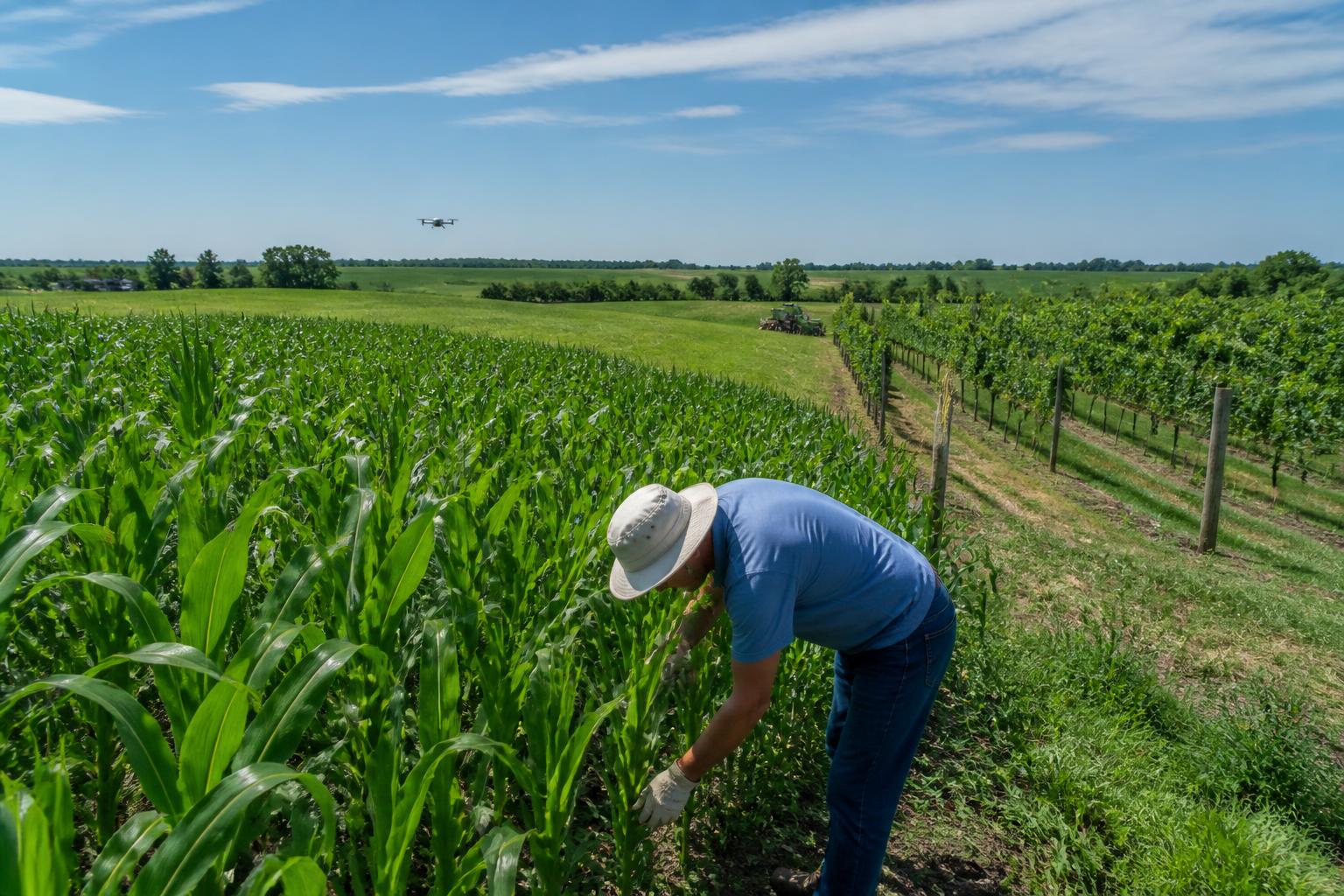
As Nebraska producers move through the height of the summer growing season, the state's agricultural sector continues to navigate a complex landscape defined by shifting land values and rising input pressures. With harvest preparations now appearing on the horizon, stakeholders are closely monitoring how recent market dynamics influence long-term farm economics and local grain marketing strategies.
Land Values and Capital Investments
Nebraska land markets have demonstrated notable resilience, with reports indicating that valuations remain steady despite broader economic fluctuations. For operators and landowners, this sustained value often necessitates careful balance in capital expenditure. Whether evaluating land expansion or long-term infrastructure improvements, maintaining a focus on fiscal agility remains a priority for many agribusinesses across the state.
Input Costs and Operational Efficiency
The cost of production remains a focal point as producers look toward the upcoming cycle. With many major fertilizer categories trending higher in recent reports, managing input efficiency has become increasingly critical. Producers in regions ranging from the Panhandle to the eastern river corridors are consistently seeking ways to optimize their yield potential while mitigating exposure to volatile input pricing. This environment has underscored the importance of strategic supply chain management and the necessity for robust planning in an age where production inputs represent a significant portion of the total operating budget.
Technology and Infrastructure
Beyond inputs, the integration of technology remains a key theme for Nebraska agriculture. From the adoption of data-driven management tools to the ongoing discussions surrounding rural connectivity, there is a clear push for modernized infrastructure that supports precision farming and real-time market responsiveness. As logistics and transportation demands intensify during peak periods, having the digital tools to navigate supply chain bottlenecks provides a distinct advantage for grain handlers and producers alike.
What it means for the market
For Nebraska's agricultural community, the current environment highlights the need for a diversified approach to risk management. As land values hold firm and input costs remain a primary concern, the ability to leverage market data and manage operational logistics will be vital. Success in the coming months will likely hinge on the careful assessment of input ROI and the effective utilization of available regional resources to maintain healthy margins through the harvest transition.
Comments
No comments yet - be the first to share your take.