
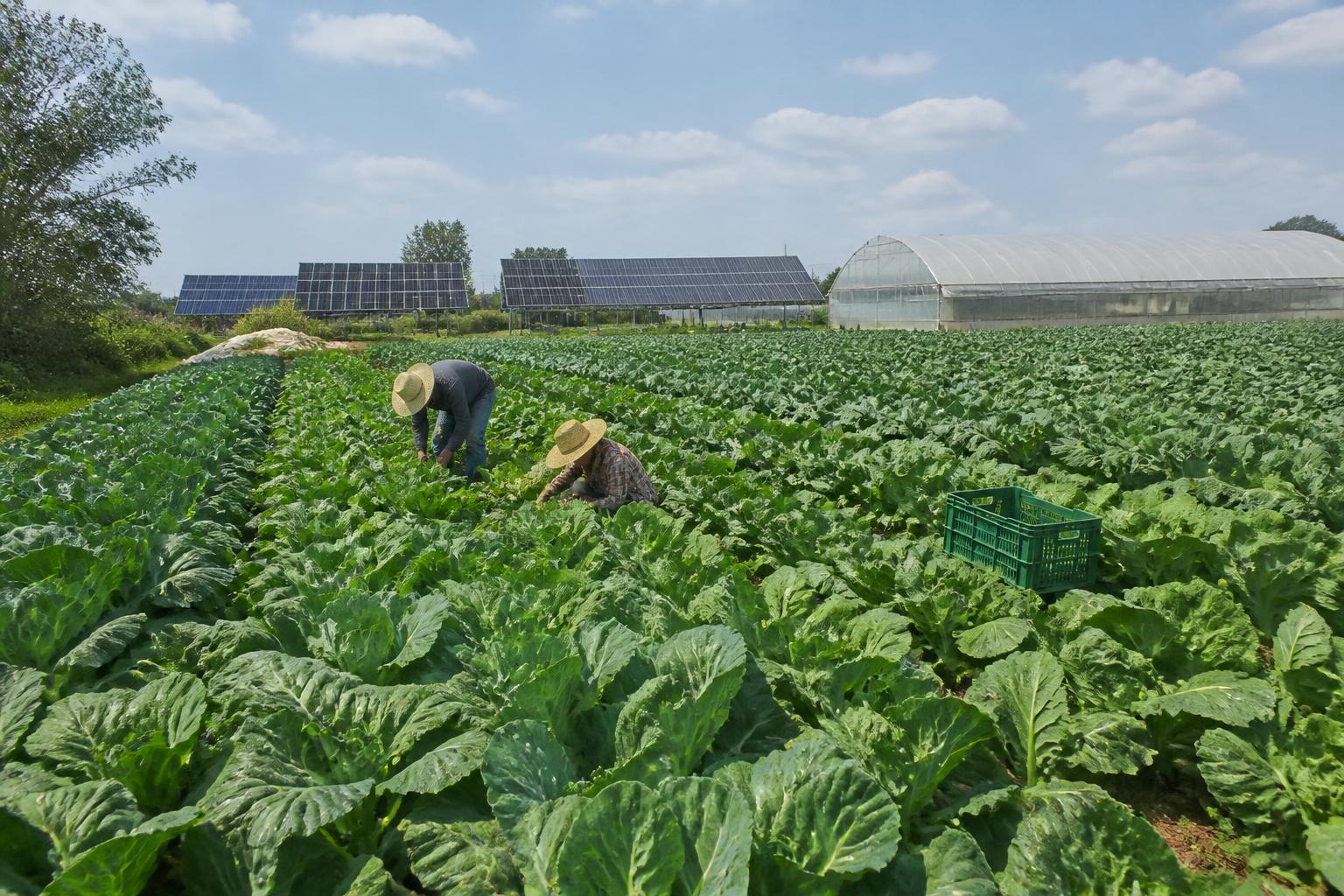
In the heart of Rhode Island's agricultural season, producers are balancing the demands of field management with the complex realities of the broader supply chain. As we move through August, the focus remains on maintaining crop health while monitoring external factors that influence input costs and delivery timelines.
For local grain handlers and growers, recent discourse highlights the importance of integrating modern infrastructure with traditional farming practices. Discussions surrounding optimizing land efficiency through dual-use strategies continue to gain traction, as stakeholders look for ways to maximize output while preserving the state's unique rural character. Whether through innovative greenhouse expansion or sustainable field management, the goal is to maintain competitive market access.
Global Input Pressures and Regional Impacts
Farmers are closely watching shifts in international trade that impact fertilizer availability. Disruptions in global ammonium nitrate exports often ripple through local supply chains, affecting input planning for the coming seasons. While Rhode Island may operate on a smaller scale than the major production regions of the Midwest, local elevators and input buyers are no less susceptible to price volatility and logistical bottlenecks that can impact operational margins.
Understanding the interplay between grain market dynamics and local transport constraints is essential during the high-activity months. Maintaining clear lines of communication with local carriers is a standard best practice to mitigate the impact of seasonal traffic patterns and roadway restrictions that can complicate the timely movement of goods.
Planning for a Resilient Harvest
As the season progresses, ensuring that storage and transport logistics are fully prepared for harvest remains a priority. Balancing infrastructure needs is a recurring theme for regional agribusinesses looking to streamline their operations. By focusing on efficient off-loading and localized supply chain integration, farmers can better insulate themselves against broader market fluctuations.
What it means for the market
The current environment suggests that Rhode Island agribusinesses should prioritize flexibility in their input procurement and logistics planning. While global trade headlines can create uncertainty, focusing on local efficiencies and maintaining strong relationships with regional transport partners can help stabilize the bottom line as the harvest window approaches.
Comments
No comments yet - be the first to share your take.