
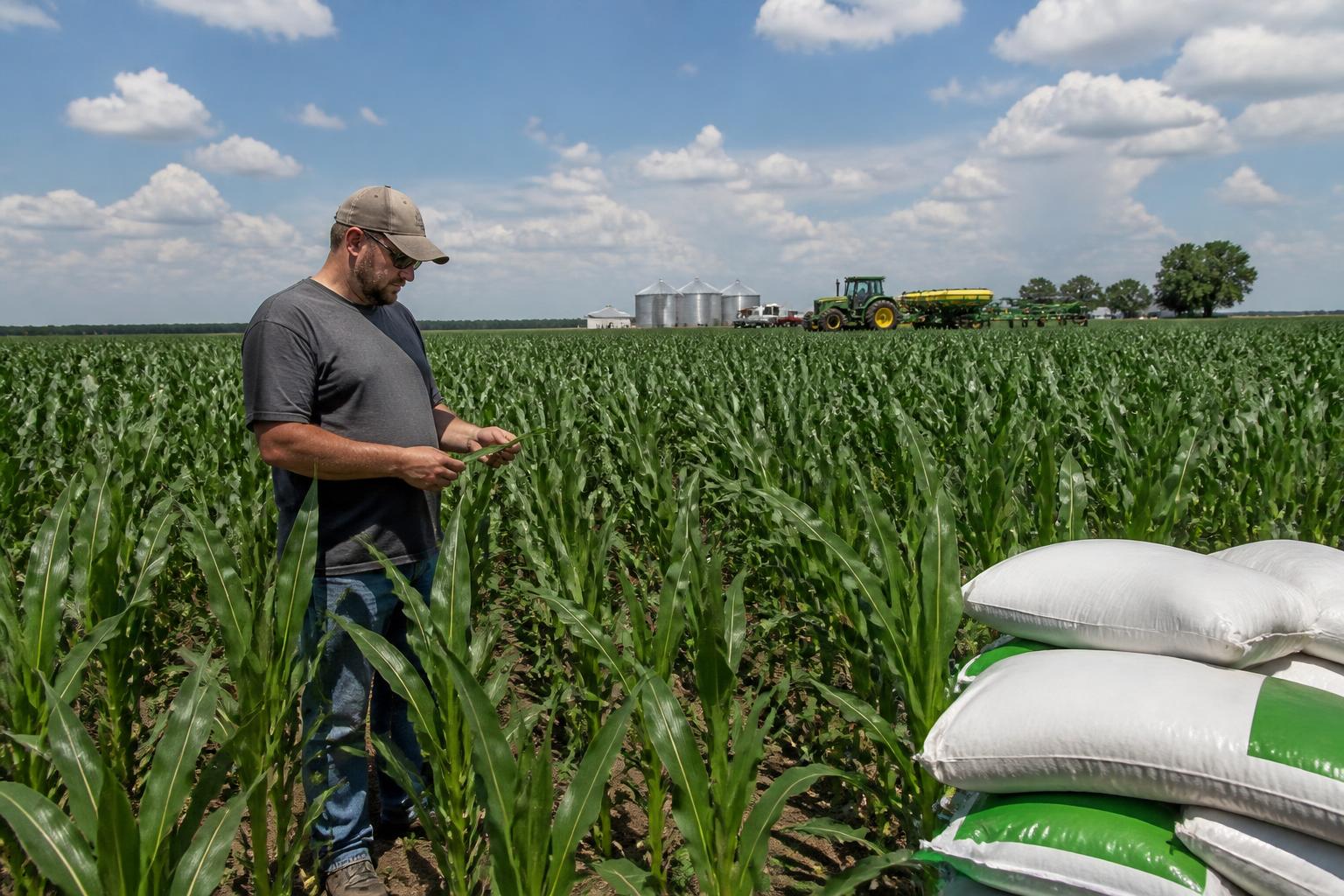
As Wisconsin producers move deeper into the summer season, the grain market landscape remains a complex puzzle of fluctuating export demand and persistent cost pressures. Recent agricultural data suggests that shifts in corn stocks and export sales are keeping local elevators and traders on high alert. For farmers across the state, from the dairy corridors of the west to the grain-heavy fields of the southeast, the current market environment demands a strategic approach to both selling grain and planning for the upcoming cycle.
Managing Input Costs in a Volatile Climate
Input expenses continue to weigh heavily on operational bottom lines throughout Wisconsin. Concerns regarding fertilizer availability and price volatility remain at the forefront of management decisions. As fertilizer guidelines for phosphorus and potassium see adjustments, growers are finding that efficiency and precise application are more critical than ever. Whether working through local cooperatives or independent suppliers, securing necessary inputs ahead of the fall season can be a challenge when global supply chains, including urea export policies, experience sudden shifts.
Strategic Grain Marketing
With data from recent market reports indicating periodic volatility in corn export volumes, the window for optimizing grain sales requires careful monitoring. Farmers are encouraged to evaluate their current inventory versus future needs as they sell grain in Wisconsin, balancing the risk of holding old-crop stocks against the potential for late-season market adjustments. Market sentiment can shift rapidly based on USDA inventory projections and international trade dynamics, making it essential to remain informed on how these national trends trickle down to the local basis levels at your nearest delivery point.
What it means for the market
The convergence of tightening grain stocks and sustained pressure on operational costs suggests a period of caution for Wisconsin agribusinesses. Producers should maintain flexibility in their marketing plans and stay closely aligned with regional logistics partners to navigate potential transport constraints as the season progresses. By focusing on input efficiency and responsive grain marketing, Wisconsin farmers can better position themselves to mitigate the risks currently facing the broader agricultural sector.
Comments
No comments yet - be the first to share your take.