
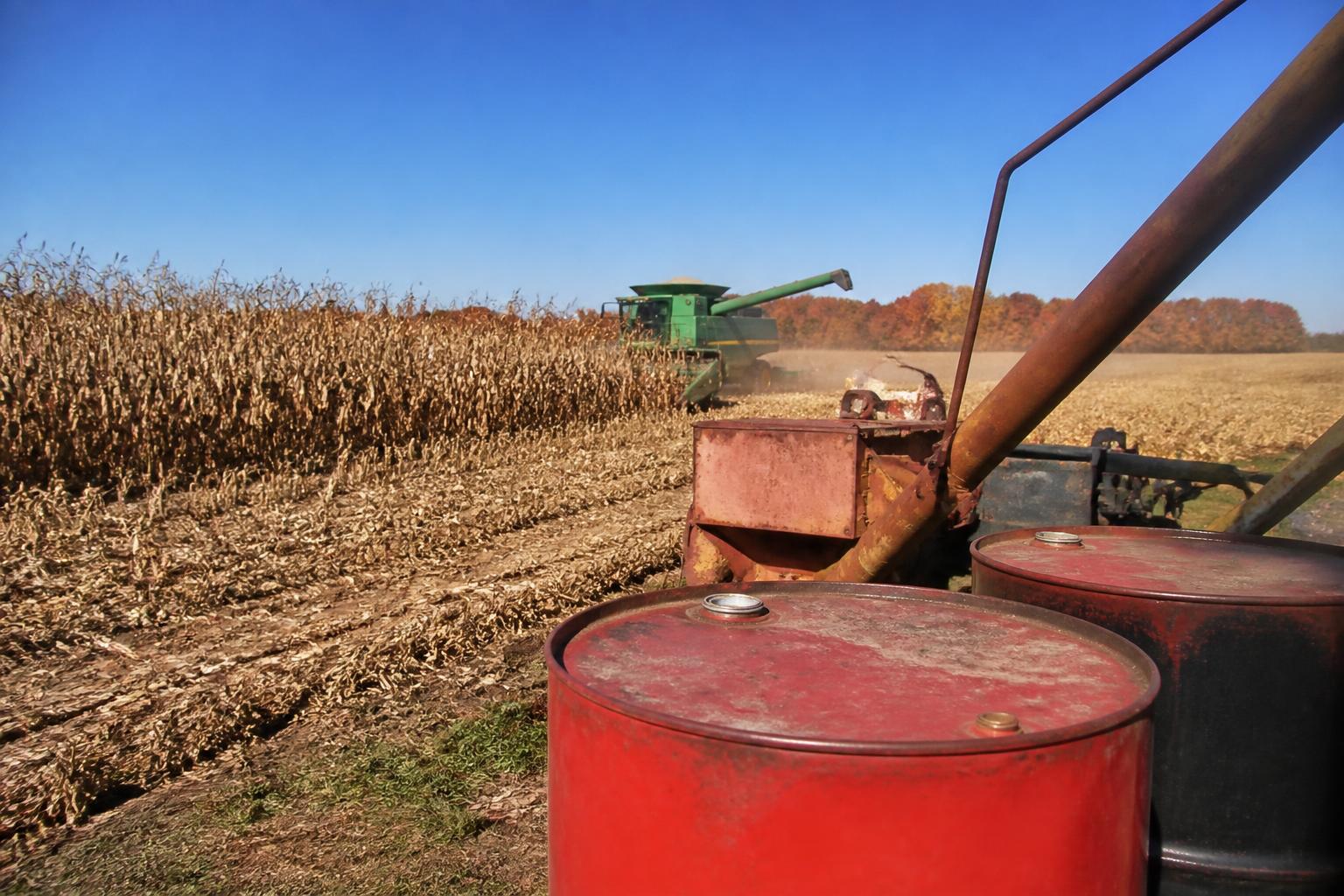
With the Michigan harvest season now in full swing, agricultural producers across the state are focusing on optimizing logistics and assessing the financial health of their operations. Recent adjustments to state policy, specifically regarding the use of red-dyed fuel for farm and logging trucks, offer a welcome operational cost relief as heavy machinery keeps moving across regional transport corridors.
Efficient transport remains critical as producers work to move grain from the field to storage or local elevators. For those refining their logistics strategies this year, staying updated on Michigan harvest logistics is essential for managing the seasonal pressures that typically accompany peak movement windows.
Planning for Future Production
Beyond the current harvest, focus is shifting toward long-term profitability. Michigan State University has recently introduced new cost of production projection tools specifically for corn, soybeans, and wheat for the 2027 cycle. These resources are designed to help producers analyze field-level data to identify which areas are performing optimally and which may be incurring hidden costs.
Additionally, new grain marketing decision tools are available to assist in navigating price volatility. As farmers evaluate their break-even points, these tools provide a structured way to review grain pricing strategies, aiming to secure potential profits or mitigate losses in a fluctuating market environment.
What it means for the market
The combination of immediate operational fuel relief and the availability of granular production-cost data suggests a shift toward more disciplined financial planning in Michigan agriculture. By leveraging these new analytical tools, producers can better align their 2027 planting and marketing decisions with actual field performance, ultimately helping to stabilize margins as the industry transitions into the winter months.
Comments
No comments yet - be the first to share your take.