
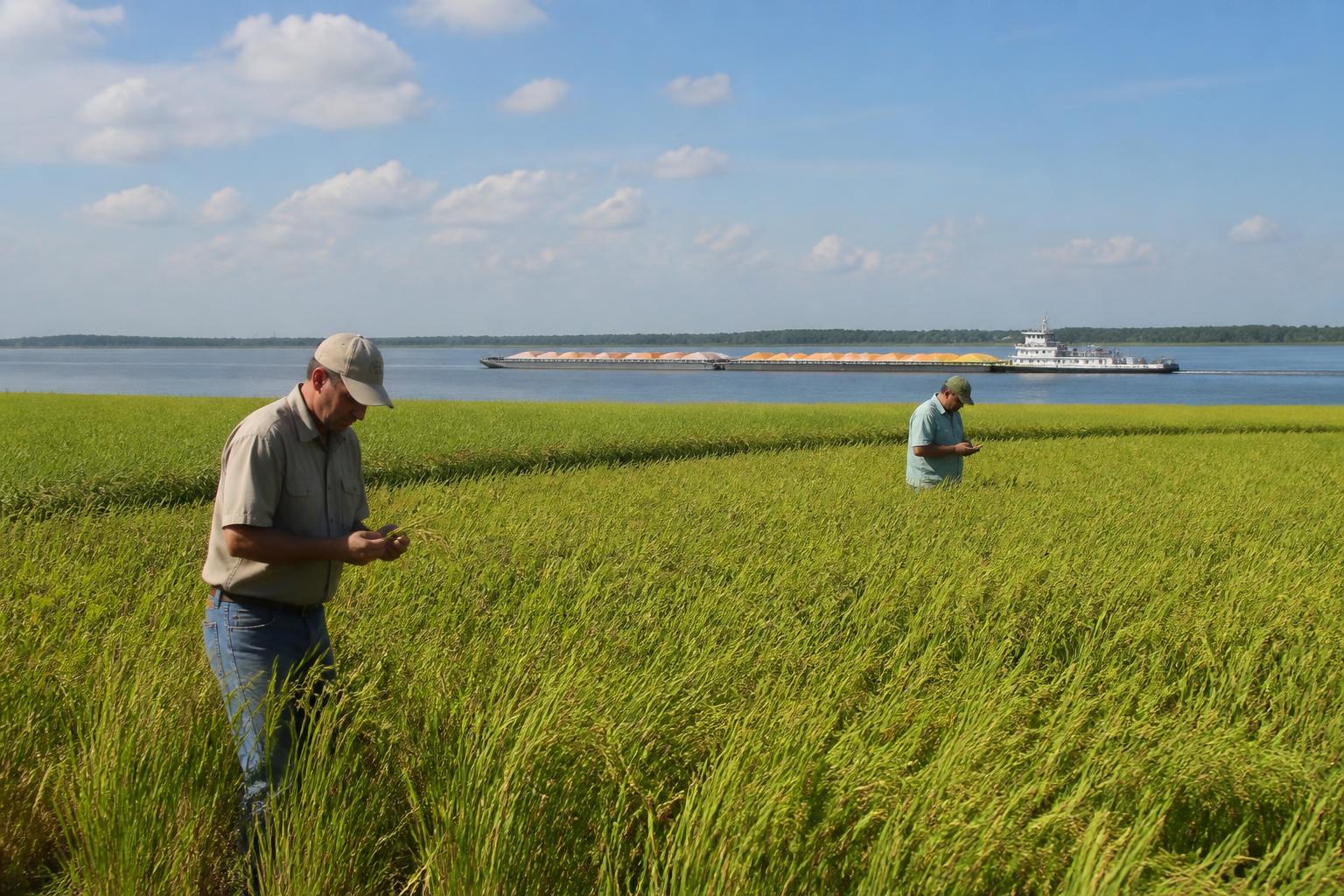
For Mississippi growers and shippers, the reliability of inland waterway transport remains the single most critical factor for moving seasonal yields. As we navigate the summer months, producers across the Delta are keeping a close watch on the Mississippi River, where fluctuating water levels have historically pressured logistics and tightened barge capacity. Whether facing extreme low water that restricts draft depths or sudden, excessive precipitation that stalls transit, the volatility of these corridors directly influences local basis levels and overall delivery timelines.
Understanding these variables is essential for anyone operating within the regional grain trade. Reliable transport ensures that Mississippi grain products reach domestic and export markets with minimal disruption, yet the industry remains susceptible to environmental shifts that can rapidly alter barge rates and equipment availability.
Managing Supply Chain Risks in the Delta
The unpredictability of river infrastructure often leads to localized bottlenecks. When water levels drift too far from historical averages, it forces logistical pivots that can ripple through elevator operations. For regional agribusinesses, monitoring real-time transit reports and maintaining flexible storage strategies has become a standard approach to mitigating these seasonal pressures. Staying ahead of potential Mississippi logistics bottlenecks allows handlers to better manage space and anticipate shifts in regional shipping costs.
The Outlook for Producers
While infrastructure hurdles present periodic challenges, the agricultural sector in Mississippi continues to adapt through improved management practices and digital integration. As global supply dynamics evolve and regional weather patterns remain variable, producers are increasingly focused on protecting yields from environmental threats. From managing disease pressures like southern rust to optimizing irrigation with new technology, the focus remains on sustaining productivity despite a complex economic and physical landscape.
What it means for the market
For market participants, the current environment underscores the need for extreme vigilance regarding regional transport costs. As we move further into the season, barge availability and river conditions will remain the primary drivers of localized grain pricing. Agribusinesses should prepare for continued volatility by diversifying transport options where possible and maintaining open lines of communication with carriers to avoid unexpected delays at key port facilities.
Comments
No comments yet - be the first to share your take.