
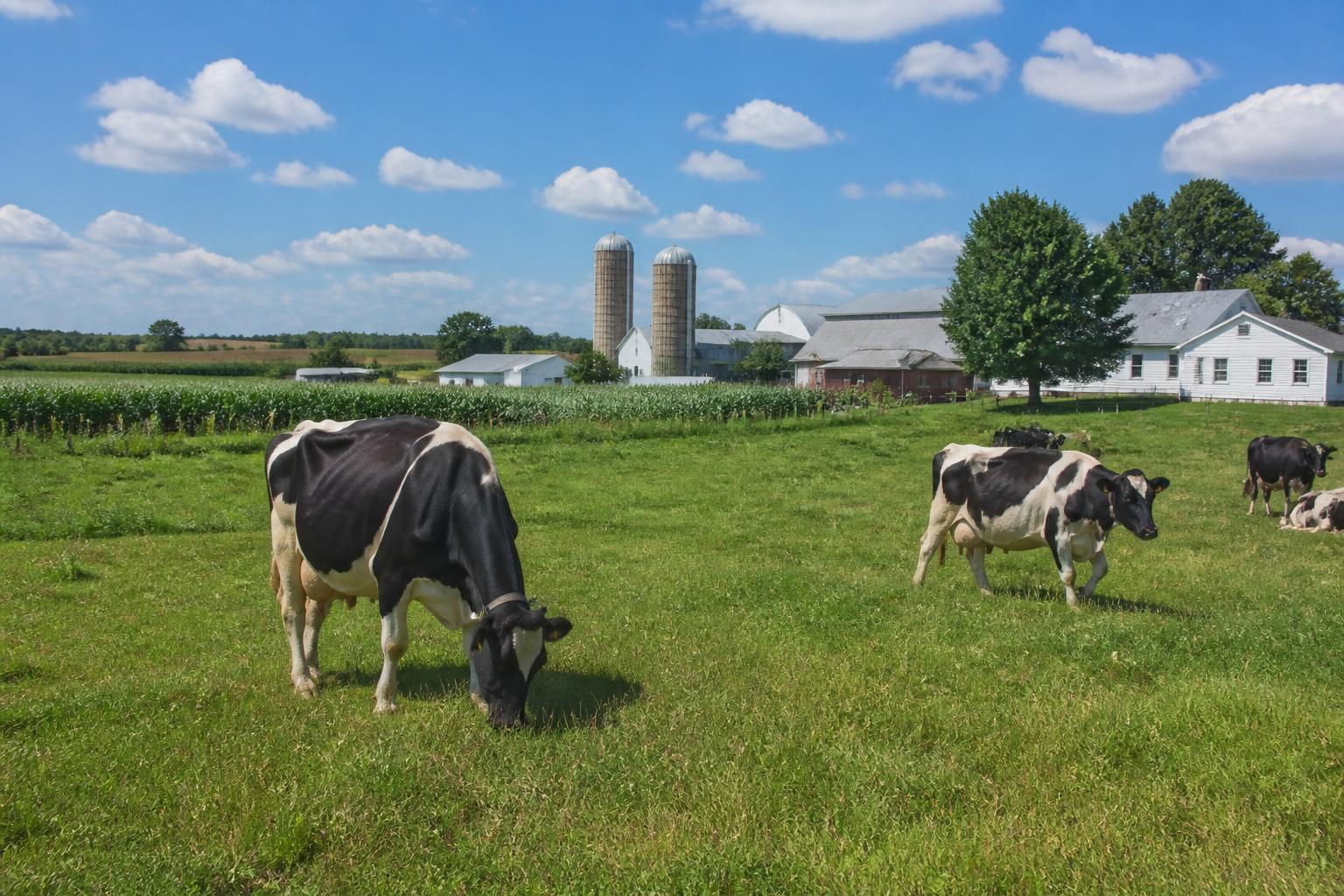
Mid-summer presents a complex operating environment for Wisconsin agriculture. Between the need for efficient feed distribution to support the state's robust dairy sector and the ongoing maintenance of infrastructure following recent regional weather events, logistics remain top-of-mind for producers and transporters alike. In many parts of the state, ensuring that supply chains remain resilient against unexpected disruptions is a priority for those moving essential inputs and commodities.
For those managing shifting grain market dynamics, logistical speed and reliability can be the difference between hitting favorable price targets and getting sidelined by local bottlenecks. Whether you are moving product toward major hubs or coordinating smaller, farm-to-elevator hauls, the current environment necessitates a proactive look at your transport partners and routing strategies.
Navigating Localized Infrastructure Challenges
Agricultural transit across Wisconsin corridors often faces the dual pressures of seasonal maintenance and the lingering effects of environmental volatility. Regional transit efficiency is frequently impacted by flood-related infrastructure warnings, which may require drivers to adjust routes significantly on short notice. Maintaining updated contingency plans for secondary roads is a common practice for operators working in low-lying counties where water accumulation can affect load-bearing capacity.
The Importance of Strategic Planning
Effective grain marketing and movement rely heavily on the ability to read local indicators. Beyond the obvious fuel costs, operators are also weighing the benefits of storage versus immediate transport during a season characterized by mixed regional output projections. For many, the choice to hold inventory often involves calculating the cost of carry against the physical availability of space and transport equipment as peak shipping seasons approach.
Key Takeaways for Producers
- Monitor local road closure alerts frequently, as secondary routes are susceptible to shifting weather patterns.
- Review storage capacity early to avoid last-minute, higher-cost transport arrangements.
- Coordinate with logistics partners to ensure capacity is locked in ahead of potential harvest-time demand spikes.
What it means for the market: As we move further into the summer season, the focus remains on operational stability. The ability to navigate these logistical friction points will be a key determinant of overall farm profitability. For those in the grain and feed sectors, staying nimble in the face of local transit delays is essential for maintaining market access and protecting margins against the backdrop of broader economic uncertainty.
Comments
No comments yet - be the first to share your take.