
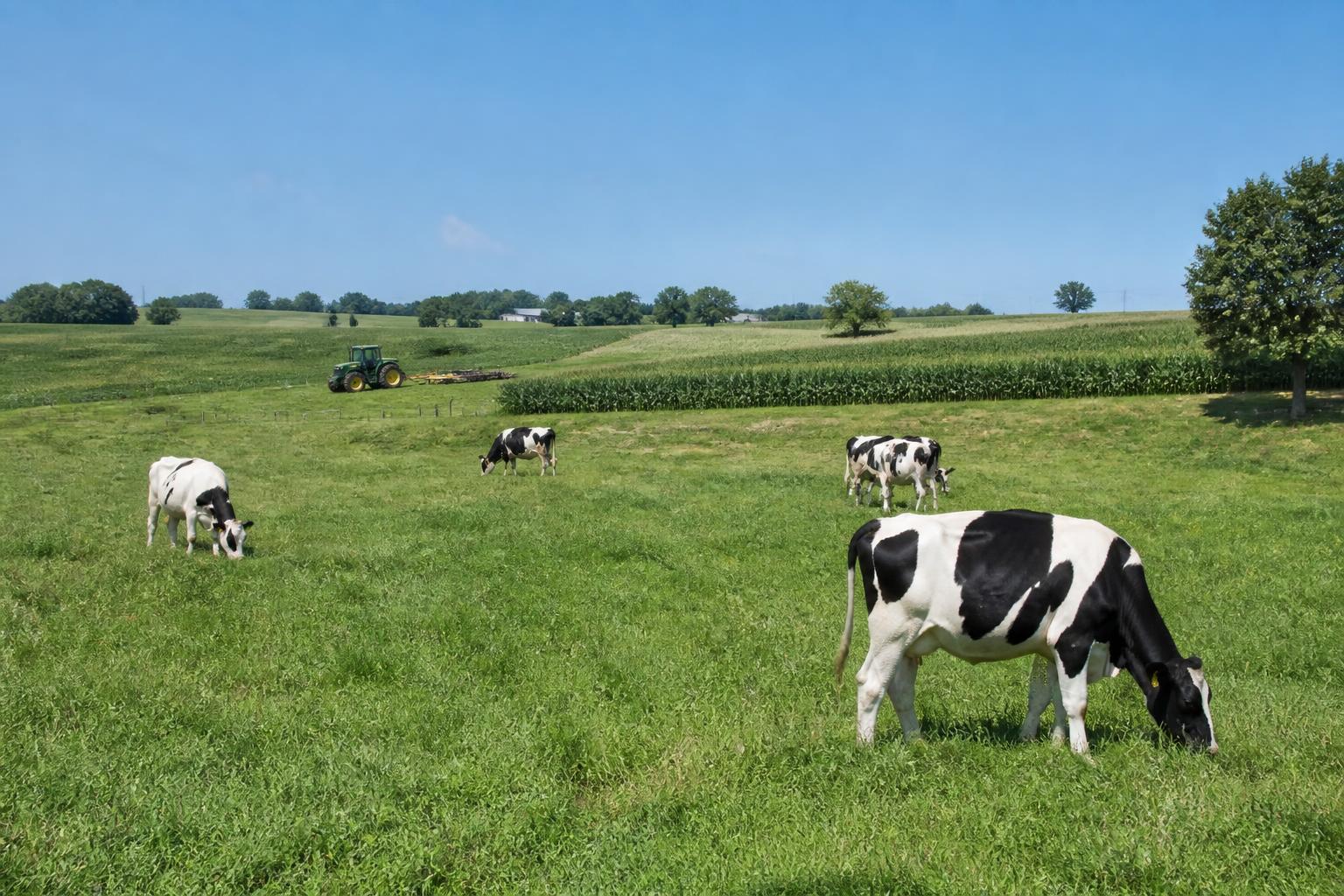
Missouri agricultural producers are navigating a complex landscape as the season moves through its most critical stages. With field work continuing, farmers in regions across the state are managing the delicate balance between maintaining operational efficiency and addressing the logistical realities of moving product to storage and processing centers.
As operations continue, efficient grain logistics remain a primary concern for local elevators and transport providers. With recent data suggesting that harvest progress in some parts of Missouri may be tracking behind previous cycles, the pressure to optimize transit times and minimize downtime at delivery points is intensifying. For many, this underscores the necessity of clear communication between field crews and grain handling facilities to prevent bottlenecks during peak delivery windows.
Managing Operational Shifts
The state's agricultural infrastructure is simultaneously adapting to broader shifts. New processing investments and facility openings are expected to change regional flow patterns for various commodities. This evolving landscape requires producers to keep a close watch on local capacity constraints, particularly as specialized facilities come online and demand for specific transport corridors increases.
Technology and Compliance
Effective management in the current market environment also involves staying ahead of regulatory requirements and technological integration. Whether producers are utilizing RTK networks for precision field operations or navigating updated compliance protocols for inputs like dicamba in the coming seasons, the ability to pivot and adapt to technical guidance is a competitive advantage.
What it means for the market: As the season progresses, expect continued volatility in regional transit efficiency. Producers should focus on maintaining open lines of communication with their preferred grain elevators and transport partners. Proactive planning for potential delays, coupled with a focus on maximizing throughput during favorable weather windows, will be essential to protecting margins in a year marked by thin operational buffers and shifting infrastructure demands.
Comments
No comments yet - be the first to share your take.