
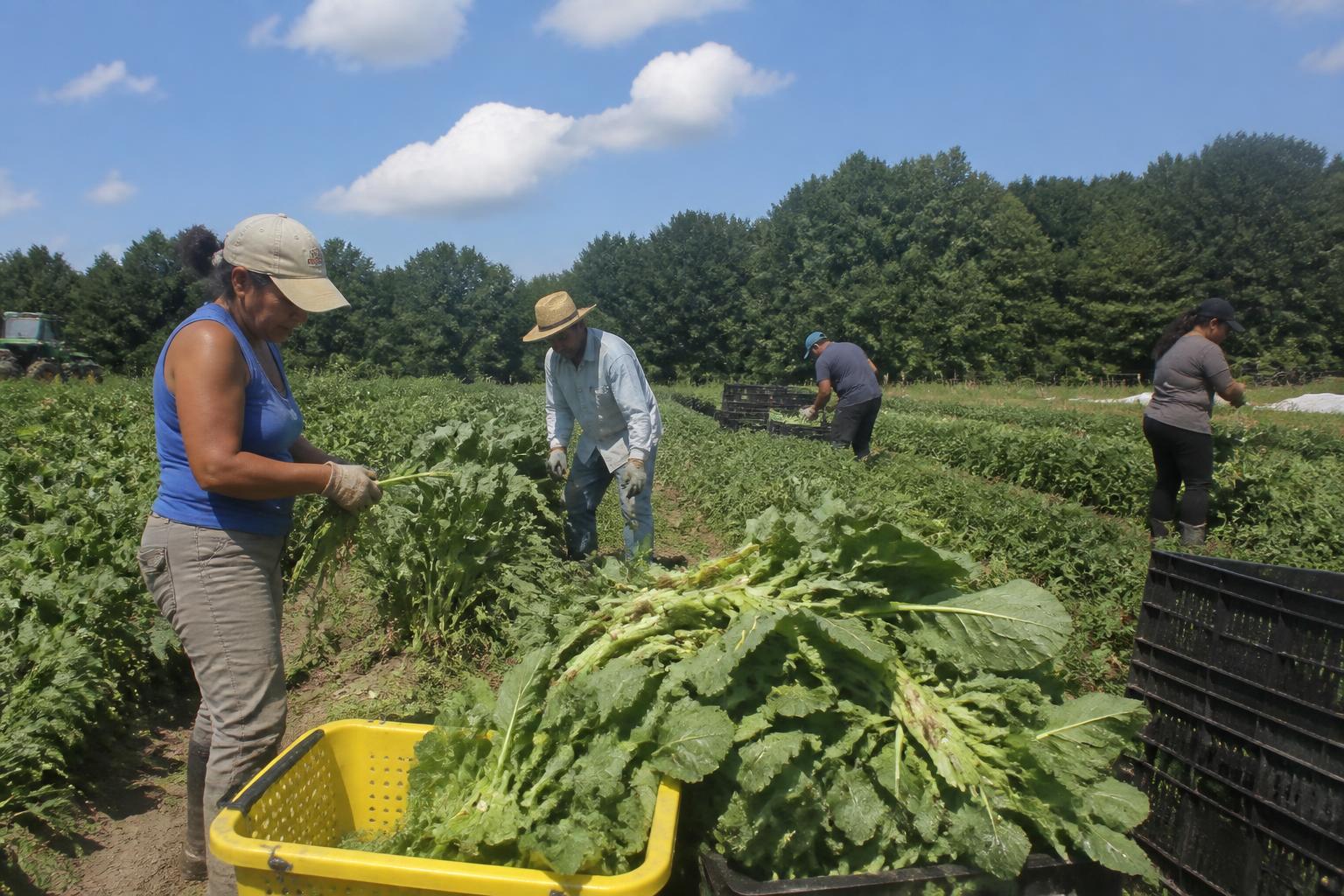
Mid-summer in New Jersey often marks a critical window for evaluating crop performance and finalizing nutrient management strategies for the remainder of the growing season. With the intense pressures faced by Garden State growers earlier this year, including significant climate-related setbacks that impacted overall production, input efficiency has become the primary focus for farm managers across the region.
For those looking to optimize their nutrient application and procurement strategies, the current market climate necessitates a disciplined approach to supply chain management. While global market movements in sectors such as calcined phosphate and urea continue to fluctuate, local operators are prioritizing high-precision application methods to maximize the efficacy of their existing inventory.
Adapting to Evolving Input Needs
The agricultural landscape in New Jersey is increasingly focused on resilience. As regional farm markets look toward future planning, many producers are exploring how shifts in labor regulations and infrastructure requirements affect their bottom line. Maintaining healthy soil profiles through strategic fertilization is not only vital for current yields but also serves as a protective measure for long-term land productivity.
Agribusinesses should stay attuned to local supply trends, particularly as transportation and logistics continue to present unique regional hurdles in counties where infrastructure upgrades are still pending. Coordination with local cooperatives remains an effective way to manage bulk purchases and mitigate the risk of supply chain delays that could otherwise disrupt essential mid-season feeding cycles.
What it means for the market
In the coming months, profitability will likely depend on the balance between input costs and yield quality. By leveraging data-driven nutrient management and staying informed on regional logistics, New Jersey producers can better position themselves to recover from earlier season losses and build a more stable foundation for the next harvest cycle.
Comments
No comments yet - be the first to share your take.