
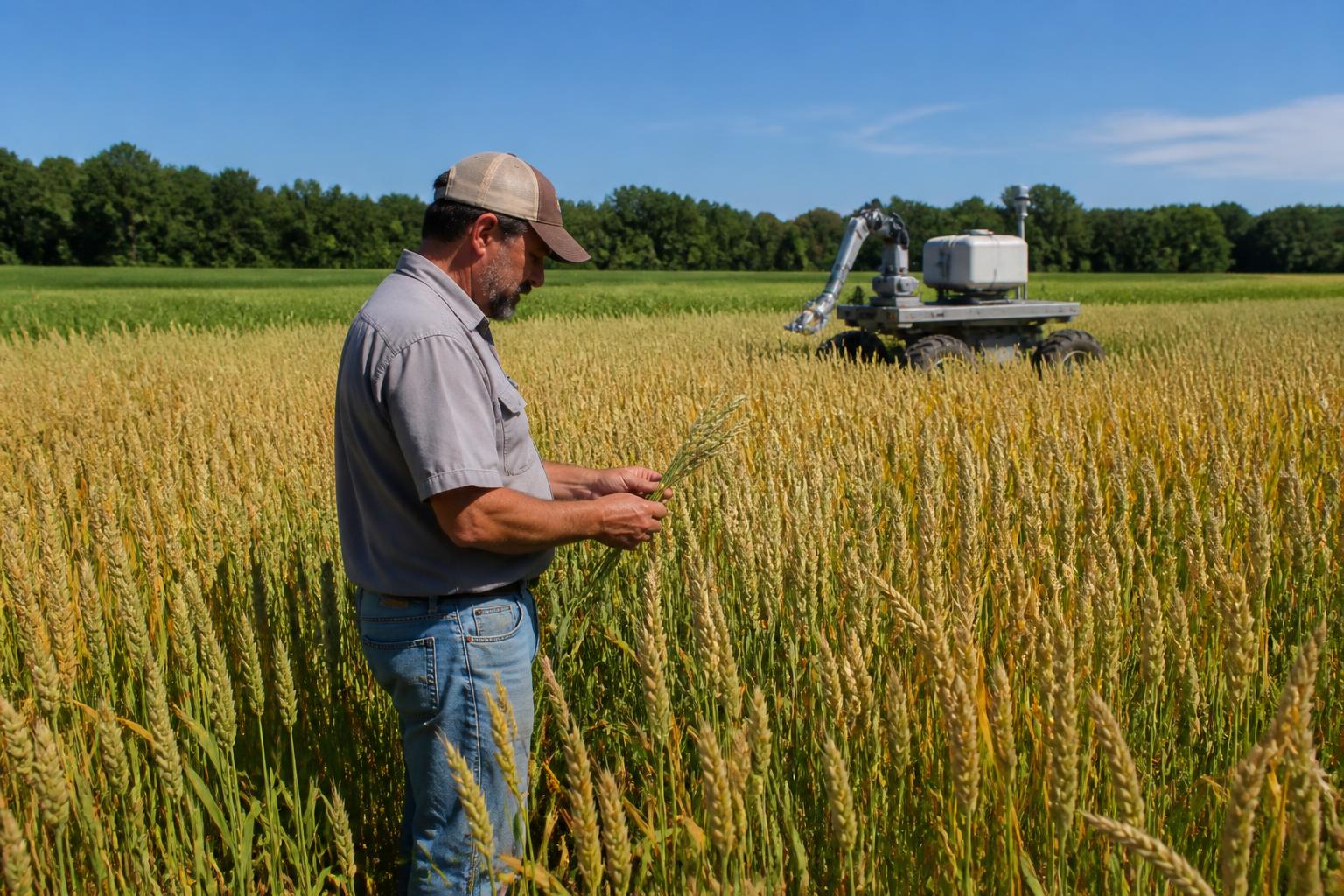
As North Carolina agricultural producers navigate the late summer season, shifting operational priorities have come into focus across the state. Farmers are balancing the immediate realities of field health against the long-term planning required for upcoming logistics and supply chain needs. While researchers and academics continue to integrate AI and data-driven tools to bolster efficiency, the practical challenges of disease management and infrastructure remain at the forefront of the grower experience.
Managing Field Pressures
Recent reports indicate that rust diseases have impacted wheat yields in some areas of the state, complicating variety selection and management strategies for the upcoming cycle. For growers, this serves as a reminder of the critical importance of variety performance in local soil profiles. These biological challenges are compounded by broader industry shifts, as some suppliers recalibrate their offerings in the North American hybrid wheat sector, potentially altering the range of inputs available for future planning. For deeper insights into navigating these operational hurdles, growers are reviewing strategies to optimize crop protection throughout the season.
Infrastructure and Logistical Fluidity
Transport remains a vital component of the North Carolina agribusiness ecosystem, particularly with ongoing road projects affecting key transit corridors. In regions such as the western part of the state, traffic shifts, such as those recently affecting I-40, can create localized friction for grain movement and input delivery. Agribusinesses and logistics operators are closely monitoring these infrastructure updates to maintain the consistent flow of goods necessary to support regional resilience in the supply chain. Staying informed on current Department of Transportation updates is essential for scheduling pickups and deliveries efficiently during this busy pre-harvest period.
What it means for the market
The convergence of biological disease management and fluctuating logistics suggests a cautious approach for the remainder of the summer. Producers should prioritize localized data and regional infrastructure alerts to mitigate downtime. With the potential for continued volatility, those who align their crop protection strategies with robust logistics planning will be better positioned as the state moves toward the next harvest window.
Comments
No comments yet - be the first to share your take.