
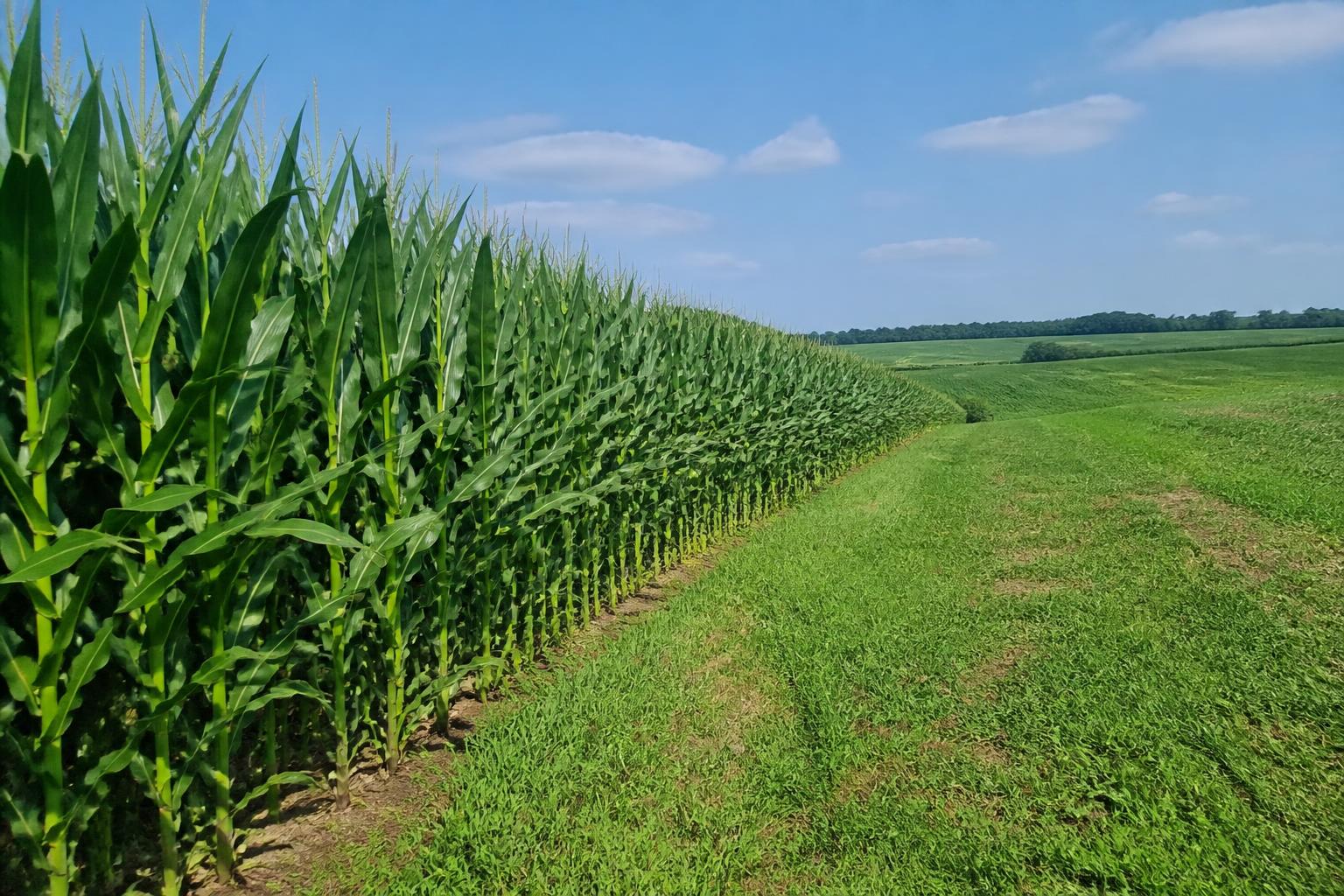
Mid-summer is a critical time for North Carolina growers as they monitor crop health and prepare for the final stages of the production cycle. For many in the state, the challenge lies in maintaining rigorous crop protection strategies while managing the ongoing pressures of input costs. Recent industry surveys indicate that rising expenses for essential supplies like fertilizer and fuel remain a primary concern for operations looking to maximize their margins.
Optimizing Yields Through Strategic Management
Maximizing yields often starts well before the current season concludes. Industry experience suggests that consistent performance in North Carolina fields is frequently tied to the synergy between selecting the right hybrids and adhering to precise planting timelines. As growers in regions like the coastal plains or the piedmont evaluate their current stands, the focus often shifts to how past decisions regarding genetics and timing are influencing their late-season outcomes.
Managing Economic Realities
The current market landscape is characterized by a need for tight fiscal discipline. As agribusinesses across the state assess their operational resilience, many are looking for ways to streamline input usage without compromising the effectiveness of their pest and weed control programs. Maintaining this balance is essential for ensuring that financial sustainability keeps pace with agronomic goals.
Innovation and Long-Term Stability
Technological advancements continue to play a pivotal role in the evolution of modern agriculture. Whether through new biological products or improved data tracking, the tools available to farmers are changing the way they approach field management. For many local operations, integrating these innovations can provide a necessary edge, helping to mitigate some of the uncertainties brought on by variable input pricing and broader market shifts, which are often discussed in our recent analysis of growth and weather risks.
What it means for the market: For North Carolina growers and suppliers, the priority remains stabilizing input expenditures while utilizing field data to drive decisions. By prioritizing high-performing hybrids and precision application, producers can better position themselves to withstand current cost pressures and maintain stable production cycles through the end of the season.
Comments
No comments yet - be the first to share your take.