
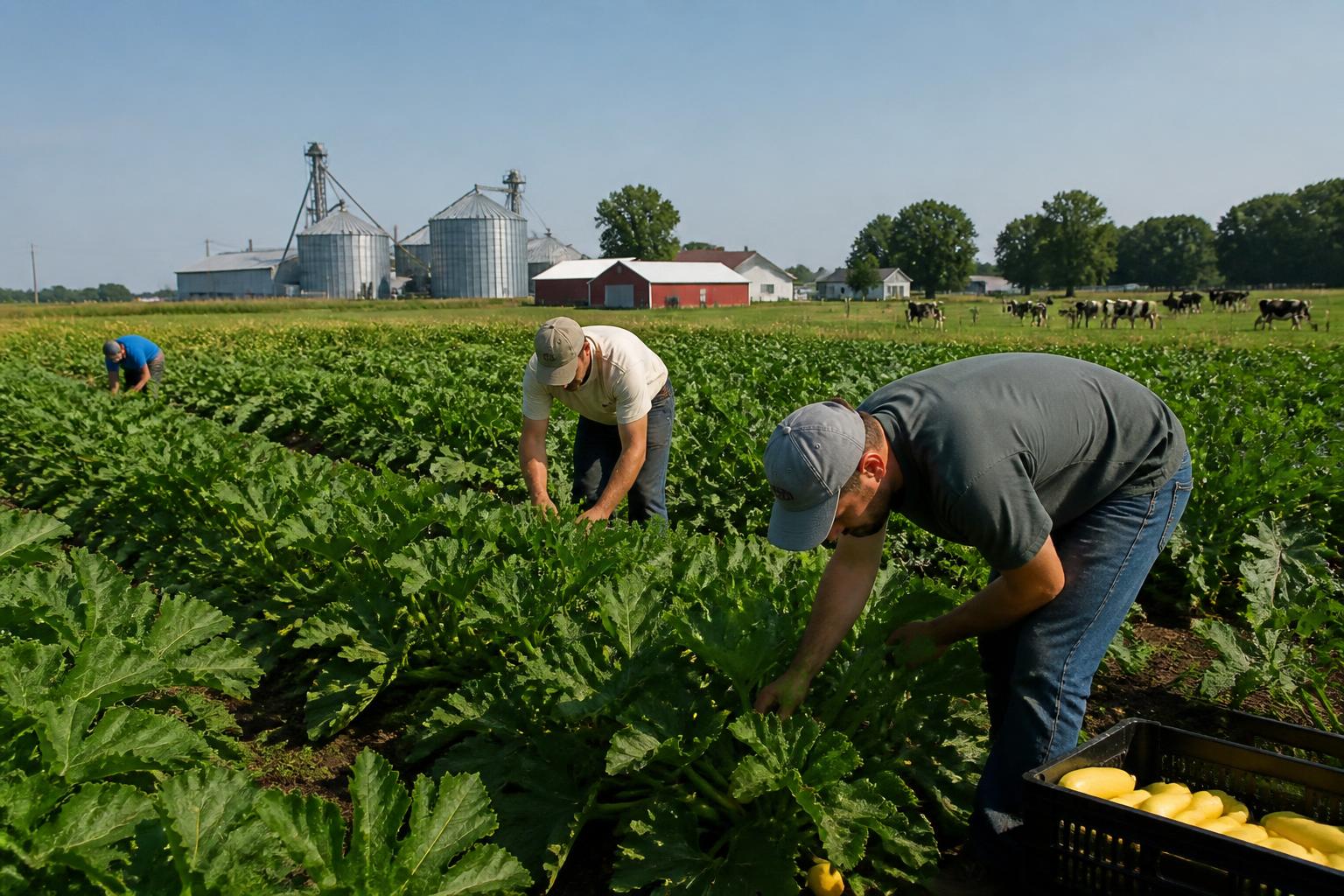
Mid-season operations across Michigan are currently defined by a cautious approach to crop inputs. As farmers evaluate their standing fields, the pressure to manage input costs remains a central theme, even as regional sentiment shows signs of improvement. Monitoring the effectiveness of crop input strategies has become increasingly vital as growers look toward maximizing yields heading into the harvest window.
Infrastructure and Logistical Adjustments
The movement of essential agricultural supplies continues to evolve, with new investments in storage and processing facilities impacting local distribution. For fertilizer managers and cooperatives, the expansion of grain handling capacities in key farming regions serves as a signal of broader logistical shifts. Efficient regional movement remains key, particularly when dealing with the high-volume transport required for seasonal fertilizer applications.
Field Health and Nutrient Management
With reports of tar spot spreading in several Michigan counties, many producers are intensifying their scouting and field management efforts. Maintaining nutrient balance is often a critical component of defensive crop management, especially when external stressors threaten to impact yield potential. Farmers are advised to consult with regional extension services to tailor their nutrient programs to the specific needs of their soil profiles and current crop conditions.
What it means for the market
For agribusinesses and logistics providers, the focus is shifting toward post-harvest planning and input procurement for the upcoming cycle. Staying informed on regional infrastructure improvements and potential shifts in local supply availability can provide a significant advantage. As the season progresses, maintaining a lean, responsive approach to inventory and application management will be essential for navigating the current economic environment.
Comments
No comments yet - be the first to share your take.