
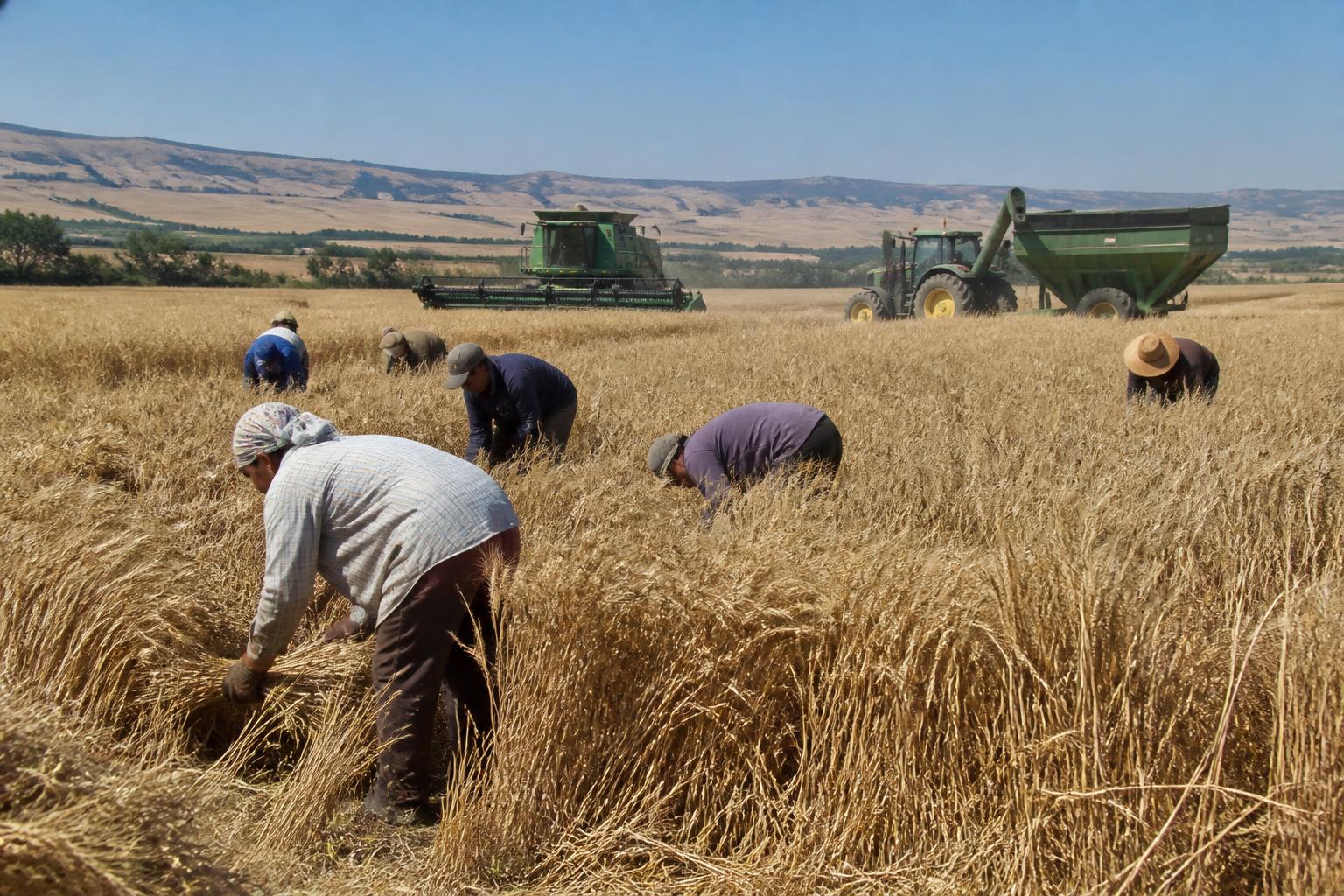
The Idaho agricultural landscape is currently defined by the intense activity of the summer harvest. As crews across the state move through fields from the Treasure Valley to the Palouse, producers are navigating a market environment marked by anticipated declines in wheat pricing. These downward trends, often linked to broader national inventory projections, are forcing many grain handlers and farmers to tighten their operational margins and re-evaluate their storage strategies.
For those managing the flow of product, finding the right time to sell grain in Idaho is becoming a critical exercise in balancing immediate cash flow needs against unpredictable storage costs. Efficiency in the field and at the elevator remains paramount as logistical constraints and the ongoing need for effective Idaho ag logistics shape the movement of this year's output.
Refining Crop Management
Beyond traditional commodities, there is a continued shift toward precision and specialization within Idaho’s diverse cropping systems. Recent collaborative efforts, including the launch of new nitrogen calculators for barley and sugar beet growers, reflect a wider move toward data-driven crop management. These tools are designed to optimize nutrient application, helping farmers lower input costs while maintaining yield stability in increasingly competitive market conditions.
Operational Resilience Amid Challenges
Farmers are also contending with external pressures, ranging from labor management in high-heat conditions to the persistent concern of input costs. With discussions intensifying around the supply chain, including potential regulatory shifts impacting the availability of common crop protection products like glyphosate, producers are looking for ways to bolster their operational resilience. The focus remains on sustainable practices that protect both the bottom line and the long-term health of the soil.
What it means for the market
The convergence of lower wheat pricing and high input costs creates a challenging outlook for the remainder of the summer. Agribusinesses and producers who focus on maximizing logistics efficiency and leveraging technical resources for crop optimization may find themselves better positioned to weather price volatility. Monitoring local elevator capacity and maintaining open channels with transport partners will be essential as the harvest progresses through the coming weeks.
Comments
No comments yet - be the first to share your take.